

SPECIAL FEATURE - Outsourcing Formulation Development & Manufacturing: Connecting Your Project to the Right Service Provider
Key Points
- The CDMO market is growing rapidly as precision medicine, complex formulations, highly potent APIs, and more advanced delivery systems create greater demand for specialized development and manufacturing partners.
- CDMOs are increasingly using AI, predictive modeling, integrated development workflows, and data-driven tools to accelerate formulation decisions, reduce material use, improve scale-up, and lower development risk.
- Across oral solids, injectables, biologics, inhaled therapies, lipid-based systems, and complex dosage forms, successful CDMO partnerships depend on early problem-solving, manufacturability planning, regulatory readiness, and scalable process design.
By: Cindy H. Dubin, Managing Editor
The global contract development and manufacturing organization (CDMO) market size was valued at $255 billion in 2025 and is projected to grow from $273.40 billion this year to almost $581 billion by 2034. 1 Growing focus on precision medicine, the ability to handle more complex formulations, and a recent interest in highly potent active pharmaceutical ingredients is driving CDMO demand.
To be more efficient, CMDOs are turning to AI and data-driven tools. These technologies play a more practical role in formulation development and manufacturing, particularly in analyzing historical datasets and informing experimental design. While AI isn’t replacing scientific expertise, it is helping teams review larger datasets faster and make more informed decisions.
Many of the leading CDMOs highlight their capabilities and share real-world examples of how they solved clients’ formulation and manufacturing challenges in this exclusive Drug Development & Delivery annual report so that you can find the right provider for your own project.
Abzena: Two Approaches to Formulation Studies
Abzena offers formulation development services that cover every stage of drug development, from early stages of candidate selection through first-in-human studies, commercialization, and any further life-cycle management as required.
Abzena applies two general approaches to formulation studies. Its “Fast-to-Clinic” approach is a streamlined methodology focused on enabling the customer to rapidly obtain FIH results in the shortest time possible. A “Best-in-Clinic” approach is focused on providing a superior product format often applied post-Phase 1.
“With the expansion of next-generation, highly complex biologic and bioconjugate drugs, we have seen an increasing demand for formulations aligned with maximizing stability and developing high concentration forms,” says Gary Watts, Head of Formulation, Abzena.
“Where developers are adding multiple functions through bi/multi-specific formats, or conjugating novel cargos to antibodies, there can be an inherent instability that requires a more considered formulation approach,” he says. “We have also seen a requirement for high-concentration formulations for the rapidly growing area of antibody-oligonucleotide conjugates (AOCs), where a high frequency of high doses are often used to treat patients.”
To illustrate these approaches in action, Mr. Watts points to a customer that went “Fast-to-Clinic” with an IV formulation for an antibody in early-stage first-in-human trials. Clinical and competitive data analysis highlighted the need for a high-concentration formulation for SC administration. While the target concentration of 150mg/mL was stable, it exhibited a high degree of viscosity, significantly exceeding the acceptable limit for standard SC injection devices, he says.
Abzena’s formulation team undertook a systematic screening process to identify viscosity-reducing excipients to identify and test a selected panel of buffers and excipients to modulate protein-protein interactions without compromising stability. “A formulation was successfully developed that reduced the viscosity within the acceptable range for SC injection,” he says. “Furthermore, stress testing confirmed that the selected composition did not introduce instability; in fact, it marginally improved the protein’s resistance to aggregation under accelerated conditions, allowing the product to progress successfully to later clinical studies.”
Adare Pharma Solutions: Tackling Complex Oral Solid Dose & Patient-Centric Formulations
Adare Pharma Solutions is a global, technology-driven CDMO offering integrated end-to-end services for oral solid dose: early formulation development through commercial manufacturing and packaging. The company specializes in tablets, capsules, multiparticulates, minitabs, orally disintegrating tablets with proprietary technology platforms supporting taste masking, customized release, and patient-centric dosing.
At Adare, demand continues to grow for complex oral solid dose and patient-centric formulation work. “Sponsors increasingly want partners who can bring solutions to challenging molecules, not just provide capacity,” says Giuseppe De Franza, Director R&D, Adare, Italy. “Taste masking, solubility enhancement, controlled release, and dosage forms designed for specific patient populations have moved from differentiators to expectations, particularly for therapies serving pediatric, geriatric, and dysphagia-prone populations.”
One mid-size pharma customer markets a drug treatment for patients with tremors and other persistent uncontrolled body movements caused by certain neurological conditions. The product works, but the capsule form was creating an adherence problem. An estimated 5% to 10% of patients in this population struggle with dysphagia, and many others face physical challenges handling a capsule due to severe tremors. The customer asked Adare to develop an alternative.
The Adare formulation team applied MMTS™ Minitabs technology to develop a sprinkle form: oral granules that can be sprinkled over soft food or mixed into a liquid, eliminating the need to swallow a capsule. “Getting there required a manufacturing innovation,” says Mr. De Franza. “The taste-masking coating goes through a hardening process that standard compression was not built to withstand, so the team developed a novel method to increase the compression folds of the minitabs and keep them intact through production. That technique now applies to future microencapsulation projects as well.”
The sprinkle form was approved by the FDA in spring 2024 and is now shipping to patients in North America, with clinical trials underway to expand availability to other regions. “Patients with dysphagia can take the medication without fear of choking,” he says.
Alcami Corp.: Solving Technically Challenging Problems While Maintaining Timelines
Alcami Corporation supports clients from early formulation development through clinical and commercial manufacturing, primarily across sterile and oral solid dose products. Services include formulation and process development, analytical development, scale-up, manufacturing, packaging, serialization, and stability support. Alcami also supports a range of products, including potent compounds, modified-release formulations, and low-dose programs.
Saujanya Gosangari, PhD, Director, Technical Services, Alcami, says there is currently strong demand for formulation development, process optimization, analytical support, and late-phase manufacturing services.” A lot of clients are looking for partners that can help accelerate timelines while still maintaining quality and regulatory readiness,” she says.
One project at Alcami involved the development of an ultra-low-dose orally disintegrating tablet for migraine treatment, where the API was dosed at the microgram level. The biggest challenge was achieving consistent content uniformity while also maintaining rapid disintegration and acceptable stability, explains Dr. Gosangari.
“Our team developed an integrated excipient strategy that used lipid excipients applied through a spray-on technique to improve API distribution within the blend,” she says. “We also utilized high-shear wet granulation while avoiding fluid-bed drying to help reduce potential stability concerns. The result was a robust and reproducible manufacturing process capable of delivering precise microgram dosing with rapid ODT performance. The platform also supported the development of multiple dose strengths for clinical studies, which helped reduce overall development timelines and manufacturing risk for the client.”

Almac Pharma Services: A Single Approach to Integrated Drug Development
Almac Pharma Services provides formulation development and manufacturing support across the product lifecycle, with strengths in oral dose development, process scale-up, clinical trial supply manufacture and commercial manufacture, supported by associated analytical and packaging capabilities.
“What differentiates us is the way we integrate drug substance and drug product development, manufacturing and supply chain execution for clinical trials or commercial supply under a single program approach,” says Dr. Terry Ernest, Director, Manufacturing Science and Technology, Almac Pharma Services. “This reduces avoidable hand-offs between vendors, reduces “white space” associated with moving materials from one CDMO to another, helps maintain continuity of product and process knowledge and allows project teams to make decisions with a clearer view of downstream manufacturing and distribution requirements. Almac selects formulation and process options that are aligned to a molecule’s Quality Target Product Profile (QTPP) robust and at an appropriate at scale.
A recent example involved an oral solid dose product that showed variable dissolution performance during scale-up, despite meeting expectations at smaller scale. As indicated by the FMEA, the key risk was that dissolution variability could translate into inconsistent in vivo performance and consequently, delayed clinical timelines.
“We recommended a structured investigation designed using QbD tools that combined targeted formulation review with process evaluation, focusing on blend uniformity, granulation/end-point control (where applicable) and compression parameters that influence tablet porosity and disintegration,” explains Dr. Ernest. “Rather than changing multiple variables at once, we applied a risk-based approach to identify the most likely drivers and ran a focused set of confirmatory trials. The result was a tightened control strategy and a more robust processing window that reduced batch-to-batch variability and delivered dissolution performance consistent with the target profile. This enabled the program to proceed with greater confidence into the next manufacturing campaign with a clearer understanding of critical parameters.”
Ardena: In-House Drug Substance Development & Manufacturing
Ardena supports oral solid dosage form development from early pre-formulation through formulation development, analytical development, GMP clinical manufacturing, scale-up, validation, and commercial supply. This includes tablets and capsules for both conventional and complex small molecules, including poorly water-soluble compounds, modified-release products, and highly potent APIs that require specialist containment and handling. Formulation development and manufacturing are supported by in-house capabilities in drug substance development and manufacturing, solid-state research, bioanalysis, and CMC regulatory support. “This allows risks such as poor solubility, polymorphism, instability, manufacturability challenges, clinical performance, or regulatory requirements to be considered together rather than in isolation,” says Iñaki Bueno, Formulation and Production Director, Ardena.
With formulation development and manufacturing sites in Europe and the US, Ardena can support projects close to where many customers run development, clinical, and supply activities, while maintaining technical continuity across programs.
“Our phase-appropriate approach helps clients generate the data needed at each stage without over-engineering early development or compromising later-stage manufacturability,” says Mr. Bueno.

In a recent client project, Ardena helped address a scale-up risk during development of a solid oral dosage form. The client initially planned to use a direct blending process. During early scale-up assessment, Ardena’s predictive tools, simulations, and stratified unit-dose uniformity testing indicated a risk of segregation at larger batch sizes, which could have affected content uniformity during clinical manufacturing, Mr. Bueno explains.
“Ardena recommended moving to a dry granulation process and assessed the impact on critical quality attributes, including dissolution, assay, and stability,” he says. “The revised process mitigated the segregation risk while keeping product performance within specification, with no negative impact from the change in manufacturing technology. Because the issue was identified early, the change was implemented without affecting the client’s clinical trial timeline.”
Bend Bioscience: Breadth of Capabilities Enables Progression from TPP-Driven Design Through Scale-Up
CDMOs are increasingly expected to offer integrated solutions spanning early development through commercial manufacturing. At Bend Bioscience, services are structured around this continuum, including early formulation development, particle engineering, spray dried dispersions, and solid oral dose manufacturing across clinical and commercial scales, explains David Vodak, PhD, Chief Scientific Officer, Bend Bioscience. Core capabilities include immediate-release (IR) liquids and solids, bioavailability enhancement (BAE), and modified-release (MR) systems such as monoliths and coated multi-particulates. “This breadth enables efficient progression from Target Product Profile (TPP)-driven design through scale-up and manufacturing, with vertical integration reducing handoffs and development risk,” he says.

Industry demand continues to center on BAE, particularly for poorly soluble small molecules, increasingly combined with modified or controlled-release strategies to optimize pharmacokinetics. There is also sustained pressure for rapid progression to Phase I for IR solid oral dosage forms. In parallel, multiparticulates and alternative formats such as sachets and sprinkle systems are gaining traction due to their flexibility, patient-centric dosing, and ease of administration.
Dr. Vodak illustrates how a recent case study illustrates how these capabilities come together. A client presented a poorly soluble molecule with a strong tendency to recrystallize and a narrow therapeutic window requiring control of peak exposure (Cmax). The compound was formulated as a spray dried amorphous solid dispersion to address solubility, with formulation strategies implemented to maintain physical stability. To meet pharmacokinetic targets, the ASD was incorporated into coated minitablets with a triggered release mechanism and erosion-based drug release. This approach enabled attenuation of Cmax while maintaining overall exposure and was successfully demonstrated in human clinical studies.
“This example highlights the importance of integrating particle engineering, formulation design, and modified-release technologies to address complex and competing development challenges,” he says.
Bespak: Outsourcing Formulation & Manufacturing in the Next Era of Inhaled & Nasal Drug Delivery
It has been a decade since the Kigali Amendment set in motion the global phasedown of hydrofluorocarbon (HFC) propellants. Since then, the inhalation industry has operated in a rapidly evolving regulatory environment, with increasing demand for low carbon pressurized Metered Dose Inhalers (pMDIs) using low Global Warming Potential (GWP) propellants. The transition to low GWP propellants requires much more than simple reformulation. As a result, pharmaceutical companies are partnering with specialist CDMOs ready to drive the transition.
Bespak®, a specialist inhalation CDMO, has invested significantly in the manufacturing capability for low carbon pMDIs and is a leader in commercial-scale readiness for the propellant shift. Alongside this, the CDMO has optimized its pMDI valves. However, the future of inhaled therapy is not limited to low carbon pMDIs, says Simon Gardner, Commercial Director, Bespak. The growing complexity of inhaled and systemic drug delivery is accelerating demand for broader platform expertise where multifaceted engineering challenges also exist.
“To meet these varied needs, Bespak provides formulation development, device design and contract manufacturing services across inhaled and nasal platforms, with the knowledge, flexibility and resources to take on projects of any shape or size,” he says.
As the industry transitions to low carbon pMDIs and implements increasingly advanced analytics, success will depend on closer integration of formulation science, device engineering and manufacturing expertise, says Mr. Gardner. At the same time, growing regulatory, sustainability and performance demands are reshaping how inhaled and nasal therapies are developed. “In this context, specialist CDMOs are becoming increasingly central to enabling faster, more robust and scalable development of next-generation products.”
BioDuro: Transforming Complex Oral Peptide Delivery Challenges Into Clinically Viable Assets
BioDuro offers integrated formulation development and cGMP manufacturing services spanning pre-formulation through to clinical supply manufacturing. Its capabilities begin with systematic pre-formulation characterization, leveraging scientific experience to evaluate physicochemical properties, identify drug delivery challenges early, and support informed candidate selection.

BioDuro’s integrated DS-DP-DMPK model enables seamless collaboration across discovery, development, and manufacturing functions, explains Hong Li, PhD, Vice President, Formulation, BioDuro. “This integrated approach supports IND-ready formulations in as little as 8-12 weeks, helping accelerate development timelines,” he says. “In particular, our solubility enhancement platform addresses challenges associated with poorly soluble compounds and has demonstrated strong success in improving oral bioavailability.”
Oral peptide formulation services are seeing increased customer demand, driven largely by growing interest in GLP1 therapeutics and the broader peptide pipeline. BioDuro has developed tailored formulation strategies based on the specific physicochemical and biopharmaceutical characteristics of each peptide candidate. Oral peptide delivery remains highly challenging due to poor gastrointestinal stability, rapid enzymatic degradation, and limited intestinal permeability, all of which contribute to extremely low oral bioavailability.
One program of BioDuro’s involved the development of an oral GLP-1 formulation. Although the peptide demonstrated excellent aqueous solubility, intestinal permeability was negligible, explains Dr. Li. BioDuro designed a novel oral formulation utilizing a proprietary permeation enhancer and implemented a systematic development workflow spanning peptide characterization, preformulation assessment, and in vitro/in vivo proof-of-concept studies.
The program progressed successfully through IND submission and GMP manufacturing generating positive Phase I clinical results, ultimately supporting a significant out-licensing transaction for the client, he says. The candidate has since advanced into Phase II clinical studies.
CMC Pharma: Not Tied to Any Specific Facility, Equipment or Process
CMC Pharma is a drug development partner, specializing in the chemistry, manufacturing and controls of pharmaceutical products. The range of services provided include: pre-formulation and formulation development services; analytical method development and validation; stability testing (both routine ICH and custom testing); manufacturing site selection, qualification, and oversight; and regulatory support services for small molecule pharmaceutical products across a range of dosage forms. CMC Pharma supports programs from early feasibility and proof-of-concept through clinical manufacturing and commercialization with experience in oral solid and traditional and complex injectable products.
“CMC Pharma is not limited to specific technologies or dosage forms,” says Mike Radomsky, President, CMC Pharma. “Our model ensures a seamless and efficient pharmaceutical scale-up process from lab bench to commercial GMP scale. You get one integrated partner with pharmaceutical lab capabilities, regulatory expertise, and CMO management built in, so that no value is lost in handoffs. The advantage is that we develop the formulation and process that is optimal for the program and then select the most appropriate CDMO for your project. We are not tied to any specific facility, equipment, or process.”
One area seeing increased demand is integrated CMC support that combines the company’s lab services, regulatory strategy, and manufacturing oversight into a coordinated development plan. One example of a successful client project involved a drug product that initially had a shelf life of only one to two months, creating significant challenges in executing clinical trials and advancing the product to commercialization. Mr. Radomsky explains that CMC Pharma rapidly evaluated multiple formulation parameters to identify factors that could improve product stability. Prototype formulations were then prepared and placed on stability to better understand the product’s degradation pathways and long-term stability characteristics.
“Through iterative formulation optimization and stability testing, the development team was able to significantly improve the stability profile of the product,” he says. “Today, the formulation supports a multi-year shelf life and is suitable for long-term storage and distribution.”

Codis: Supports a Complete Spray Drying Service Offering
As Codis is predominantly a commercially oriented CDMO, formulation support activities are focused on the scale up and commercial operability of discovered formulations. The company builds on successful early-stage development work to deliver robust, sustainable, and commercially viable formulation solutions that enable the successful supply of innovative new drug therapies. In addition to spray drying as a core capability, Codis has experience in spray dryer feed preparation activities, including continuous chemistry, filtration, and purification processes, supported by at-line analytical measurements.
“Spray drying is a proven and robust technology for addressing poor solubility and bioavailability challenges and is therefore increasingly sought after by both emerging and established compound owners,” says Mark Macdonald, Technical Sales Director, Codis. “It is used both to enable the commercialization of challenging new compounds and to unlock new IP opportunities for existing products through formulation enhancement.”
To support spray dried compound onboarding and scale up, the Codis in-house data science team has established spray drying modelling tools that are physics based and mechanistic, built on established process understanding and experimental data. Artificial Intelligence is then applied in supporting roles to augment model performance through mechanism verification and by aiding interpretation and explanation of model outputs. Using limited datasets generated on R&D scale equipment, Codis can rapidly model processes and predict operating conditions on clinical and commercial scale units.
“This enables significantly accelerated onboarding of critical programs when required, and provides clients with flexibility in their route to registration and commercialisation, aligned with funding milestones,” says Mr. Macdonald.
For one global client, rapid scale up and onboarding was required, involving progression from contract award to commercial supply of tens of tons of spray-dried product within a six- to nine-month timeframe. “Leveraging our internal process modelling capabilities, we were able to accelerate onboarding and scale up activities and rapidly establish the process on commercial scale equipment,” he says. “In parallel, variability in feed material from multiple manufacturing sites was incorporated into the process design, enabling the timely delivery of commercial material that met all specifications.”

FUJIFILM Biotechnologies: The Power of Formulation Development On a Molecule’s Developmental Journey
At FUJIFILM Biotechnologies, the goal is to be a partner and the formulation development team achieves this by onboarding and supporting partners at any stage of a molecule’s development journey. FUJIFILM Biotechnologies offers an array of formulation development and supplementary packages to reach IND and, eventually, a BLA submission. This could include pre-clinical work (full formulation development, forced degradation, clinical in-use/compatibility studies, or downstream processing optimization support), or late-stage programs (formulation refinement and robustness).
Within formulation development, the need for high and ultra-high protein concentration (150+ mg/mL) therapies has skyrocketed, says Madison White, Senior Scientist, Formulation and Analytical Development, FUJIFILM Biotechnologies. The biotherapeutic industry is seeing a shift towards subcutaneous injections, as opposed to frequent and time-consuming infusions. This shift towards subcutaneous delivery often coincides with increasing the protein concentration to reduce the injection volume through auto-pens or prefilled syringes. However, increasing the protein concentration to high protein concentrations creates challenges with the product’s manufacturability, viscosity, injectability, aggregative behavior, and overall stability.
To combat these added challenges, proper formulation development optimized for each individual molecule, while monitoring specific attributes related to high concentration production and stability, is imperative. In the case of one client, a fusion protein showed extremely high levels of aggregation coming out of the downstream development process. Optimization of various downstream process parameters were tested; however, there was little to no improvement in the aggregative behavior of this molecule. “As a solution, our team created a modified formulation development study to determine if there were any solution conditions that could reverse the level of aggregation that was coming out of the downstream process,” she says.
Through this study, the primary chemical pathway of the aggregation was identified using core, biophysical techniques. With this information, FUJIFILM Biotechnologies created a broad excipient screen designed specifically to combat this primary mode of aggregation while remaining within the inactive ingredients found in regulatory-approved products. “With this, we were able to identify a single, rare excipient that comprehensively combatted the molecule’s extreme propensity to aggregate on both the visible and sub-visible level,” she explains.
This excipient was carried throughout the remainder of the formulation development studies, and a final, stabilizing formulation was identified. Also, the excipient was compatible with some of the downstream processes. Therefore, it was implemented into the process, which resulted in an increase in overall purity and stability. “With the completion of the downstream and formulation development, this molecule has gone on to DS and DP with three-plus years of stability, proving the power that formulation development can have across all aspects of a molecule’s developmental journey,” says Ms. White.
Gattefossé: Targeted Seminars & Training Guide Formulators
Lipid-based formulations offer key benefits across several routes of administration. These benefits include improved solubility and enhanced in vivo absorption via the oral route as well as penetration enhancement and effective, patient friendly formats for topical/transdermal products. Gattefossé has four Technical Centers of Excellence (TCE Labs) in France, the US, India, and China to: aid in the selection and optimization of pre-clinical lipid-based formulations; provide tailored, hands-on customer support; and advance lipid knowledge through education and training.
Technical capabilities range from screening/compatibility studies for liquid and semi-solid excipients to the development of binary and ternary systems that utilize multiple lipids to optimize drug loading, maximize drug exposure, and improve product performance. Gattefossé also performs in vitro lipolysis and Franz cell diffusion testing to simulate in vivo conditions and guide both oral and topical formulation selection.
Formulators are increasingly seeking permeation enhancers that offer performance, regulatory confidence, and scalability. Gattefossé offers several medium chain fatty acid esters that act as safe, reversible tight junction modulators, such as Labrasol® ALF , Capryol® 90, and Labrafac™ MC60.
“Through targeted customer seminars and in-depth training sessions at our Paramus, NJ lab, Gattefossé is guiding formulators on the keys for handling lipids, maximizing performance, and avoiding common pitfalls in stability and pre-clinical dosing,” says Nick DiFranco, Senior Marketing Manager – Pharmaceuticals, Gattefossé USA.
While lipid excipients offer tremendous benefits for bioavailability enhancement, they have traditionally been limited to liquid and semi-solid dosage forms, such as soft gelatin capsules. However, permeability-limited compounds have driven increased interest in incorporating lipid excipients into oral solid dosage forms. To meet this demand, Gattefossé has invested in oral solid dosage form capabilities at its New Jersey TCE Lab. Additions for 2026 include a hot melt extruder and tablet press, which allow Gattefossé to evaluate lipid excipients as plasticizers, permeation enhancers, and recrystallization inhibitors in amorphous solid dispersions. Gattefossé is also partnering with companies in the spray drying field, such as GEA, to investigate the use of lipids in solvent-based techniques.
“These added capabilities allow us to address the growing interest in combining lipid and polymer excipients to improve in vivo translation for new drug modalities,” he says.
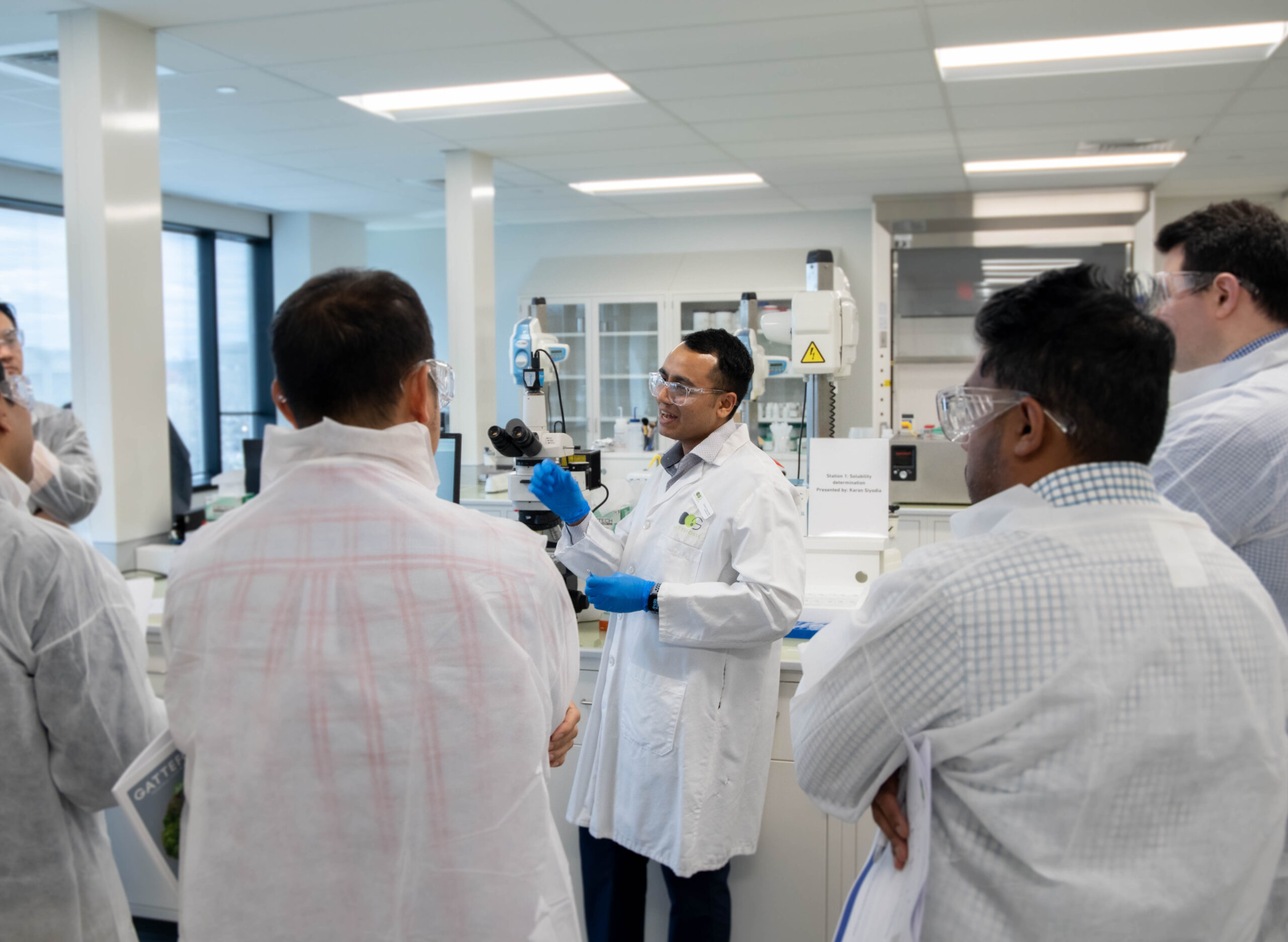 Gattefossé offers tailored pre-clinical formulation development and in-depth customer training sessions at its TCE Lab in Paramus, NJ.
Hovione: Seamless One-Site Stop Integration from ASD Development to Drug Product Manufacturing
Hovione is a CDMO provider of Amorphous Solid Dispersions (ASDs) formulations manufactured by spray drying to address solubility and bioavailability challenges. This formulation strategy is integrated with downstream manufacturing of the final dosage form, such as tablets or capsules or nasal drug delivery.

“Hovione’s spray drying expertise is unique thanks to our regulatory track record, a large GMP spray drying capacity, and our ability to offer seamless “one-site stop” integration from ASD development to drug product manufacturing, for both batch and continuous tableting,” says João Ventura, PhD, Senior Director, Strategic Business Management – Pharma, Hovione. ASDs by spray drying has become a leading formulation strategy. This demand has also triggered growth in integrated and specialized offerings from CDMOs that integrate ASD formulation manufacturing with downstream manufacturing services into final dosage forms.
In formulation development, artificial intelligence (AI) tools enable faster, data-driven process and approaches with minimal experimental work and material consumption. Application examples include integrated formulation development and screening tools, such as Hovione’s ASD-HIPROS, capable of rapidly screening for the best combination of drug loads, excipients, and surfactants using advanced formulation models and high-throughput screening methods supported by AI tools. At Hovione, these tools are based on hybrid mathematical models that combine mechanistic understanding with machine learning methods, enabling scientists to predict drug-polymer behavior and optimize formulation composition in a fraction of the time, Dr. Ventura says.
In manufacturing, AI tools are being used to support increased digitalization and automation of manufacturing processes, informing greater understanding and insights from data-rich manufacturing process execution that support continuous improvements. In continuous tableting, advanced control strategies (PAT and real-time quality control) are being deployed to enhance process robustness and scalability.
“In early development stages, we use ASD-HIPROS, our data-driven high throughput screening tool, to rapidly characterize the challenge and select the most appropriate strategy, screening for the best combination of drug loads, excipients, and surfactants to create a robust, scalable spray drying process from the outset,” he explains. “We then apply Quality-by-Design principles and standardized tech transfer methodologies to ensure scalability and derisk the transition to GMP manufacturing.”
LATITUDE Pharmaceuticals: Transforming Difficult-to-Deliver APIs into Efficacious Drug Products
LATITUDE Pharmaceuticals positions itself as a specialized formulation CDMO, distinguishing itself from the high-volume one-stop-shop large CDMOs by focusing on the “D” instead of just the “M,” explains Matthew Singer, PhD, Vice President, Business Development, LATITUDE Pharmaceuticals.
LATITUDE’s service suite revolves around complex formulation development and clinical trial manufacturing. The CDMO specializes in transforming difficult-to-deliver APIs into stable, efficacious drug products. Capabilities span a wide array of dosage forms, including complex injectables, oral liquids and solids, ophthalmics and topicals.
LATITUDE also offers an integrated development-to-manufacturing model, which allows clients to move seamlessly from formulation design to clinical trial material production under cGMP, accelerating timelines and reducing technical risk.
Dr. Singer says that LATITUDE’s most in-demand services currently center on biologics and injectable and oral drugs, including the formulation of peptides for both of these delivery formats. Other in-demand services include aseptic fill-finish and ophthalmic manufacturing.
“There is also strong demand for LATITUDE’s end-to-end services that combine formulation development and clinical trial supply,” he says. “LATITUDE’s flexible manufacturing capacity and advanced analytical testing are especially valued as clients seek faster scaling and more resilient global supply chains.”
LGM Pharma: A Faster, Smoother Route From Bench to Commercial Suppository Production
LGM Pharma, a US-based CDMO specializing in API sourcing, contract analytical testing, and drug product services, offers specialized formulation development and manufacturing services with expertise in complex dosage forms, including suppositories. The company supports clients through the full product lifecycle – from sourcing high-quality active pharmaceutical ingredients (APIs) to commercial-scale manufacturing of finished drug products.
Suppository development presents unique challenges, particularly around solubility and stability. Unlike most oral formulations, suppositories rely on bases such as hard fats, polyethylene glycols, or cocoa butter. The drug’s solubility in the base affects its release rate. These formulations are highly sensitive to temperature, both during manufacturing – where precise control during mixing, filling, and cooling directly affects drug distribution and product uniformity – and throughout transport and storage, where fluctuations risk melting or deformation.
“We address these complexities with customized formulation strategies and robust analytical capabilities,” says Mike Stenberg, Vice President of Business Development, LGM Pharma. “Scaling from R&D to commercial manufacturing typically requires transitioning from small batches and hand-filled molds to commercial-scale filling equipment and container closure systems. The capital investment and technical expertise required to manufacture suppositories at commercial scale limits the number of CDMOs capable of offering this service, particularly in the domestic market.”
A common challenge LGM Pharma addresses is scaling suppository formulations from development to commercial production. One client needed to transition from hand-filled R&D batches to consistent, high-quality commercial output, where differences in equipment, process parameters, and temperature sensitivity introduced added complexity. Through early technical evaluation and close collaboration, LGM Pharma identified scale-up risks and addressed formulation and process considerations. The result was improved batch consistency and a smoother path to commercial manufacturing, says Mr. Stenberg.

“To further streamline the transition from R&D to commercial scale, we recently expanded capabilities at our Texas facility to include both R&D and commercial-scale suppository production,” he says. “By bringing development and manufacturing under the same roof, we give our clients a faster, smoother route from bench to commercial production – with fewer tech transfer requirements and less risk with scale up.”
Lifecore Injectables CDMO: Early Phase Design for Manufacturability Informed by Successful Late Phase Scale Ups
As drug pipelines move toward more complex therapies, injectables development and manufacturing are becoming less linear and more connected. Biologics, long-acting injectables, highly viscous formulations, suspensions, advanced delivery systems, and other complex products benefit from greater and earlier collaboration between formulation process development and manufacturing teams.
Lifecore Injectables CDMO specializes in aseptic process development and fill/finish for complex injectable drug products and devices from early clinical stages through commercial launch. With experience that spans the full product lifecycle, Lifecore incorporates commercial scale formulation, filling, and quality testing into early phase development. Lifecore embeds manufacturing personnel directly into pilot scale development work to ensures that process decisions made early are grounded in practical considerations for future manufacturing.
For example, while a process development engineer may define an optimal filtration strategy from a theoretical standpoint, direct input from formulation scientists and manufacturing staff responsible for filter setup, execution, and testing provides critical insight into feasibility, robustness, and operational complexity at scale. Manufacturing operators contribute to the development and refinement of SOPs and supporting documentation that they will use in routine production. “Their involvement helps ensure that procedures reflect real-world manufacturing practices, use standardized and familiar terminology, and accurately capture how processes are executed on the manufacturing floor,” says Jackie Klecker, Executive Vice President, Quality & Development Services, Lifecore Injectables CDMO.
A similar integration is applied across Analytical Development and QA/QC functions. Analytical scientists and QC testing teams work in parallel during late-stage method development and validation activities to verify that analytical methods are not only scientifically sound, but also clear, reproducible, and readily executable in a quality control environment. By validating methods with end users involved early, potential gaps in clarity, training, or execution are identified and resolved before formal transfer.

Ligand: From Rapid Feasibility to Clinical Success
A central element of Ligand’s offering is a rapid early-stage formulation service known as FAST (Feasibility Assessment/ Solubility Testing). The FAST program is designed to quickly assess the interaction between an active pharmaceutical ingredient (API) and cyclodextrins, enabling informed go/no-go decisions at the preclinical or early development stage. Rather than relying on empirical screening alone, these studies are conducted by cyclodextrin experts who understand complex host-guest chemistry, competitive binding, and the impact of formulation conditions on solubility and stability.
“FAST studies typically provide an early read on solubility enhancement, excipient compatibility, and manufacturability,” says Lian Rajewski, PhD, Sr. Director Formulation Development, Ligand. “This rapid insight reduces development risk, shortens timelines, and often informs the selection of a path forward for prototype and final formulation development.”
One illustration is of a poorly soluble compound given by ocular route that also required a systemic formulation for safety studies. Through rapid cyclodextrin-based screening, interaction between the API and Captisol® was identified and characterized as Type AP (Positive Deviation) from linearity. Based on the results of the FAST studies and taking into consideration the non-linear interaction, further development studies were warranted that lead to a viable prototype formulation. Stability studies supported by qualified analytical methods were performed, followed by successful transfer to a CDMO, allowing the program to advance without delay.

Enhanced solubility translated into improved oral bioavailability for a complex oral formulation (Ligand).
A more complex example involved an oral formulation of a poorly soluble, intensely bitter natural alkaloid supplement. While conventional cyclodextrin approaches achieved approximately a tenfold increase in solubility, the client’s target product profile required at least a 100-fold improvement. To meet this goal, a novel Captisol-enabled formulation platform, TOPAZ™, was used. “This approach achieved the desired solubility enhancement and addressed palatability by delivering the formulation in a liquid-filled capsule,” says Ms. Rajewski.
Pharmacokinetic evaluation in animal studies demonstrated a marked increase in systemic exposure compared with earlier cyclodextrin and control formulations, confirming that the enhanced solubility translated into improved oral bioavailability.
MedPharm: Specializing in Topical & Transepithelial Drug Delivery
MedPharm is a CDMO that specializes in topical and transepithelial drug delivery including skin, nasal, pulmonary, ocular, nail, and mucosal, across a broad range of formulation types from simple liquids, through to complex semi-solids, foams and aerosols. Drugs in development span small molecules and larger molecules that present physicochemical challenges for topical/transepithelial. In support of product development activities, MedPharm has developed a suite of proprietary in vitro and in silico tools designed to generate physiologically relevant data earlier in development, mitigating the risk of failure and reducing reliance on less predictive legacy models, explains Charles Evans, PhD, Senior Vice President of Pharmaceutical Development, MedPharm.
Two areas of work have seen particularly consistent demand in recent years. The first is formulation troubleshooting and rescue programs where stability failures, thermodynamic and solubility problems, or regulatory concerns stall development, often after work with an earlier partner. These projects typically require root-cause analysis before an optimized formulation strategy. The second is in intellectual property, where sponsors seek to expand patent coverage beyond drug composition of matter and initial formulation type or for lifecycle management, extending protection from a single dosage form to a broader range of formulations to reduce competitive risk and support long-term commercial value. “Both reflect a broader climate with early-stage investment harder to secure, and sponsors needing credible data/IP early and a plan for extended protection to support funding,” he says.
The growth of precision medicine is changing what sponsors expect from in vitro data during product development. As therapies become more targeted, demonstrating that a drug reaches a target tissue is no longer sufficient on its own and there is growing expectation to understand biological activity. MedPharm has been developing living human tissue in vitro/ex vivo pharmacodynamic models to understand this ahead of costly clinical studies. Dr. Evans says that using a combination of pharmacokinetic/pharmacodynamic readouts give sponsors more translatable evidence of whether a formulation is performing as intended, critical when seeking investment or planning clinical studies.
The importance of applying the right scientific framework from the outset is well illustrated by recent development work. A sponsor arrived at MedPharm with a previously developed biologic formulation intended for nail delivery, which was exhibiting 30% impurity growth over its intended shelf-life. The root cause was a fundamental misclassification; the drug had been treated as a small molecule rather than a biologic, leading to a flawed formulation strategy. Following biologic-appropriate forced degradation and compatibility studies, incompatible excipients were removed and biologic stabilizers introduced, improving stability by approximately 70% and allowing the program to advance to IND-enabling studies.
PCI: Integrated Services for Oral & Sterile Drug Products
PCI offers integrated end-to-end formulation, analytical development, manufacturing and packaging across both oral and sterile drug products to support programs from early phase through commercialization. Oral D&M capabilities span oral solid dose and liquids, including high potency, ultra-high potency compounds and pediatric solutions and suspensions. Sterile D&M capabilities support a range of biologics and small molecule modalities in solution, suspension, lyophilized forms in vials, Ophthalmic bottles, prefilled syringes, and cartridges.
“What makes PCI’s D&M capabilities distinct is this combination of breadth and integration: fully integrated services for drug product for both orals and sterile within one network, while tailoring phase-appropriate solutions and avoiding “black box” technologies,” says Anshul Gupte, PhD, RAC Drugs, Vice President, Pharmaceutical Development, PCI.
The CDMO is seeing particularly strong demand for sterile development and for drug-device combination products, especially prefilled syringes and cartridges. High dose coupled with solubility limitation and constrained by injectable volumes is pushing sponsors towards complex formulations, such as suspensions that are technically challenging to formulate and characterize, he explains. At the same time, accelerated by the success of GLP-1 therapies and autoinjectors, patient expectations are driving the switch from vial to drug-device combination products. “Sponsors increasingly want to run vial and device development in parallel, and often earlier in the lifecycle than before, so they can move quickly into patient-centric presentations,” says Dr. Gupte. “Overlaying this are targeted therapies and pediatric indications, which further increase demand for ultra-high-potency handling, complex dosage forms and solubility-enhancing approaches that can be translated into robust, scalable products.”
A recent client approached PCI with a biologic platform and needed a Phase I formulation for IV administration, ideally one that could be employed across multiple related molecules, with a clinical batch required within three to four months. PCI recommended a phase-appropriate, platform-oriented development approach that allowed for an early switch to lyophilization if stability in solution proved inadequate, explains Dr. Gupte. For one molecule, this contingency was triggered, so PCI rapidly developed a conservative lyophilization cycle focused on robustness rather than commercial efficiency.
“By keeping specialized analytics with the drug substance manufacturer and concentrating on in-process controls, sterility and standard release tests at our site, we avoided time-consuming method transfers,” he says. “The result was a small GMP batch of lyophilized product, delivered within the aggressive timeline, enabling a first-in-human study and demonstrating that a platform formulation strategy could be applied across the client’s biologic series.”

Quotient Sciences: Integrated CRDMO Supports Development & Supply for Phase I Studies
Quotient Sciences’ Translational Pharmaceutics® platform was introduced nearly two decades ago to innovate the way formulation development and supply for early clinical trials are designed, supported and managed. In a traditional drug development model, formulation development and drug product manufacturing (CDMO) and clinical testing (CRO) are separate activities, often handled by different vendors and conducted on different timelines. If not managed well, siloed activities performed by each vendor can cause inefficiencies that increase timelines and risk, says Dr. Vanessa Zann, Vice President, Scientific Consulting, Translational Pharmaceutics & Clinical Pharmacology USA, Quotient Sciences.
“Translational Pharmaceutics® eliminates these burdens, allowing sponsors to mitigate risks by integrating drug product formulation development, cGMP manufacturing, and clinical testing into a single, adaptive workflow,” she says. “Quotient Sciences performs all activities within its facilities under the oversight of a single project/program manager.”
Quotient Sciences has partnered with CROs, including Biorasi and Lindus, enabling seamless transition to proof-of-concept clinical studies with patients and special populations, explains Dr. Zann. Quotient Sciences’ partnership with Intrepid Labs is integrating the ANDROMEDA™ Machine Learning platform into formulation development. This AI-guided approach rapidly explores formulation options, predicts clinical performance, reduces experimental burden and drug substance requirements, and supports more informed, data-driven decisions. “Leveraging this platform, clients will be able to move optimized drug products into clinical development faster and with greater confidence,” she says. ” A pilot program is ongoing, with notable milestones ahead.”
A notable project Quotient Sciences recently tackled was to advance YourChoice Therapeutics” YCT-529, the first non-hormonal oral male contraceptive, into human clinical testing, says Dr. Zann. While preclinical data showed strong efficacy, reversibility, and a favorable safety profile, the company needed to focus on scaling API, designing a flexible oral dosage form capable of supporting dose escalation with limited drug substance, and executing a first-in-human program that balanced volunteer safety with rapid data generation.
The team based in Alnwick, UK (Arcinova, a Quotient Sciences Company) developed scalable API manufacturing for YCT-529. This was followed by a flexible capsule formulation and matching placebo using manual capsule filling, and Translational Pharmaceutics was applied to deliver the first-in-human program. Formulation development, GMP manufacturing, clinical supply, and Phase 1a clinical testing were integrated at Quotient Sciences – Nottingham. UK, enabling real-time dose adjustment and efficient decision-making.
The Phase 1a study was completed successfully, demonstrating YCT-529 was well tolerated with no hormonal side effects or food effect. “The data validated its safety profile and enabled progression into multiple-ascending-dose studies, marking a major milestone in non-hormonal male contraception development,” says Dr. Zann.
Recipharm: Specializing in HPAPIs
Recipharm offers a full range of formulation services for multiple dosage forms, including oral solids, sterile injectables, and biologics. To ensure reliable outcomes, the CDMO combines these services with ReciPredict® , a statistical modelling and simulation platform.
“This ensures we understand right away how formulations are likely to behave during scale-up and technology transfer,” explains Lidia Garcia Martin, MSAT & News Productions Head, Recipharm. “This foresight allows us to identify and address potential issues much earlier, reducing unwanted surprises for our partners across development and manufacturing.”
The pharmaceutical landscape has been reshaped by the recent interest in highly potent active pharmaceutical ingredients (HPAPIs). These compounds are increasingly in demand due to their applications in oncology and immunotherapy, but their production requires added sophistication in handling, containment, and process control. However, she says, not every drug developer has this expertise in-house; some CDMOs lack the infrastructure needed to handle HPAPIs safely.
Recipharm is also integrating digitalized monitoring systems into its HPAPI workflows to enable real-time in-process controls, assuring containment environments, ensuring all our advancements work together to elevate our high-potency operations.
One global pharmaceutical company was looking for a manufacturing site able to produce an HPAPI to supply to the US and Japan markets. Recipharm was chosen for its HPAPI expertise and tailored facilities. The project’s success relied on adapting the client’s process to the chosen site’s HPAPI-primed equipment. “Our team worked closely with the client to understand the design of their experiments and with several suppliers to address technical issues,” she explains. “Thanks to this collaboration and our team’s firm knowledge of HPAPI handling, the workflow was quickly streamlined, and the product was successfully brought to market within a tight time frame.”
Resilience: Upstream & Downstream Process Development
Resilience’s Toronto team offers biologics development and manufacturing services spanning early-stage clinical to commercial scale processes. This includes upstream and downstream process development and scale-up for monoclonal antibodies (mAbs) and mAb-like proteins. The company’s Toronto site also specializes in protein chemistry development and scale-up for complex bioconjugates, such as metal chelator-modified mAbs for radiopharmaceutical therapies and protein nanoparticles for drug delivery or immune therapies. The Manufacturing Science and Technology (MSAT) team, which is made up of scientists, engineers, and analysts, spearheads technology transfer and carries out all process and analytical development activities, including early bench scale studies through to manufacturing supportive studies.
Steve Brookes, PhD, Director, MSAT and Process Development, Resilience, explains how Resilience Toronto developed and scaled up a client mAb conjugate process. The engineering run gave a broader conjugate-to-antibody ratio compared to development lots, which required quick resolution to meet the GMP manufacturing schedule. The conjugation process consisted of a pre-mix step of the reactants prior to distribution across multiple reaction vessels containing the protein. Distribution of the difficult-to-mix non-uniform pre-mix among the units was identified as the cause that resulted in variation in reactant loads on the protein in the separate reactors. The Resilience MSAT team conducted mixing studies with surrogate solutions and optimized parameters to be used with the equipment and setup that was designed in time for the cGMP mAb conjugation run. Average load and distribution specifications were met and matched prior development lots, allowing the client to proceed with their program. This example highlights the value of at-scale engineering runs to truly de-risk clinical cGMP batches, especially for non-standard unit operations being conducted for the first time.
In another process, Dr. Brookes says that for a particular conjugate product, the conjugation process involved derivatizing one macromolecular construct with a linker and chemically reducing a second mAb-like protein of interest to combine with the first construct in the conjugation reaction; however, the reduced protein had to undergo removal of the reducing agent as quickly as possible as it was prone to re-oxidation and loss of reactivity resulting in the resultant construct being underloaded with the protein. The MSAT team designed the manufacturing process such that the reaction and subsequent ultrafiltration/diafiltration (UF/DF) process steps were kept in a closed system under nitrogen to minimize oxidation; all associated buffers used in the reaction and UF/DF steps were deoxygenated by nitrogen purging.
“Most critical was that the team worked out a schedule for the various required parallel activities that was tightly choreographed to avoid delays once the protein reduction step was begun and which avoided time-consuming in-process gating analytics,” he says. “These steps were implemented into the at-scale manufacturing process where the conjugate was shown to have the desired protein load and the process performance matched earlier development scale runs in terms of yield and quality attributes.”
Samsung Biologics: Developing High-Concentration Biologics
Samsung Biologics offers clients a broad range of development services, spanning cell line development, upstream development, downstream development, pilot production, formulation development, and analytical development. The CDMO offers comprehensive formulation development services, including late discovery, as exemplified in DEVELOPICK™, which is an in-house developability assessment that supports molecular selection as well as the identification of development risks. The formulation team also launched a high-concentration formulation development platform, S-HiCon™, to help clients achieve product concentrations for their desired route of delivery (e.g. subcutaneous delivery for later phase development).
Samsung Biologics is witnessing high demand from clients for high-concentration formulation development, driven by the need to deliver relatively high doses to the patient, sometimes in the range of hundreds of milligrams. Additionally, a frequently preferred route of delivery is subcutaneous injection, which requires delivery in volumes less than 1.5mL. Therefore, delivering subcutaneous doses in the range of hundreds of milligrams requires that product concentrations be at least 100mg/mL, says Derrick Katayama, Associate Director of Formulation Development at Samsung Biologics. “The Samsung Biologics formulation team has experience with developing high-concentration biologics, which led to the launch of the S-HiCon™ platform,” he explains.
A client came to Samsung Biologics with a challenging molecule that, at a previous site, had experienced solubility and physical stability issues during process development, he explains. “Therefore, we had the opportunity to re-formulate the molecule, but at the request of the client, at a higher concentration than previously developed,” he says.
Leveraging the target molecule’s existing development and stability data, the team performed extensive screening of multiple excipient types and buffer conditions. In short, the team successfully identified an optimal set of pH, buffer, and excipient conditions that led to a higher formulation concentration. This was achieved through a step-by-step approach that narrowed down the promising compositions to finally identify an optimal formulation specific for the given molecule.
Serán BioScience: Minimizing Downstream Reformulation Risks
Serán BioScience is a CDMO specializing in vertically integrated drug product development, formulation, and cGMP manufacturing services. The company supports pharmaceutical and biotechnology clients from early discovery through commercial support focusing on complex small molecules, bioavailability enhancement, and advanced delivery systems. Core services include: formulation and dosage development; amorphous solid dispersions; spray-dried dispersions; HME; lipid formulations; particle size reduction (including nanomilling); analytical services; quality control; and scalable cGMP manufacturing of spray drying, HME, tablets, capsules, and powders for oral and inhalation.
“What sets Serán apart is its “Right-From-the-Start” philosophy,” says Dan Smithey, PhD, President & CEO, Serán BioScience. “By strategically selecting and optimizing commercially viable formulation technologies and scalable processes early in development, Serán minimizes downstream reformulation risks, accelerates progression to the clinic, and builds a clear line of sight to robust commercial manufacturing.”
Many of Serán’s clients look to resolve formulation challenges preventing them from moving their molecule forward. One leading biopharma focused on innovative therapies for rare diseases came to Serán during Phase II trials with a significant challenge: their existing amorphous solid dispersion formulation as well as the nature of and number of excipients caused significant concerns over formulation as well as process robustness and scalability. In addition to filler and flow aids, the 50mg dose required a 950mg tablet, and full dissolution under sink conditions required 240 minutes. With projections of a high dose for clinical efficacy, the highest priority for optimization was to develop a scalable tablet formulation with a reduced pill burden to be introduced to clinic for Phase III, explains Dr. Smithey.
Serán’s team developed an optimized formulation for Phase III, cutting excipients in half and reducing tablet weight by 28%. The team identified the tablet excipients critical to performance and robust manufacturing and were able to achieve an increased drug loading in the tablet and improvement in tablet dissolution. Additionally, by pivoting to an alternative polymer in the SDD formulation, the resulting SDD sustained supersaturation and over a 30% increase in bioavailability. Serán’s formulation optimization addressed the client’s scale-up needs, while also increasing drug load, lowering pill burden and positioning them for commercial success with a marketable product and improved patient outcomes.
Shilpa Medicare Ltd.: Hybrid CDMO Model Derisks & Saves Time
Shilpa Medicare Ltd. operates as a fully integrated pharmaceutical company spanning APIs, biologics, and finished formulations. Formulation development and manufacturing services cover oncology oral solids, complex injectables, transdermal patches, oral thin films, peptides, and novel drug delivery systems. In addition to offering comprehensive discovery, clinical, and commercial outsourcing services across small and large molecules, its “hybrid CDMO model” includes commercially ready “off-the-shelf” novel formulations for exclusive B2B licensing.
“This dual approach enables pharmaceutical companies to leverage our expertise in oncology without the direct risks and lengthy timelines associated with development,” says Abhay Sapre, PhD, Senior Vice President R&D-Formulations and Site head at Shilpa Medicare Ltd.

Oncology continues to be the strongest area of demand for Shilpa, with the company supplying more than 30 oncology APIs and corresponding finished formulations into the US, EU, and other regulated markets. One challenge involved oncology products that required complex reconstitution steps in hospitals before administration. This created preparation delays, dosing variability, and handling risks for pharmacists working with cytotoxic compounds. Shilpa’s formulation team redesigned the products into stable ready-to-use liquid presentations, eliminating the need for reconstitution while maintaining stability and sterility requirements. The products later secured FDA approvals and helped hospitals reduce preparation time, improve handling safety, and simplify administration workflows, particularly in high-volume oncology settings.
Dr. Sapre also shares that another sponsor had a product facing multiple innovator patents covering polymorphs, release profiles, and manufacturing processes. Instead of following the originator pathway directly, the team developed a non-infringing formulation approach using alternative polymorph selection and modified-release technology designed to achieve bioequivalence without infringing core patents. Regulatory, formulation, and Paragraph IV strategy were developed in parallel throughout the program. The result was a differentiated product pathway that supported successful filings in regulated markets and helped position the client for earlier market entry opportunities, says Dr. Sapre.
Simtra BioPharma Solutions: Advancing Efficiency Through Expertise
Simtra BioPharma Solutions offers comprehensive formulation and process development services for large and small molecules, using a data-driven, statistical design of experiments (DoE) approach.
“This methodology reduces the number of formulation iterations required, minimizing material use while accelerating timelines and managing costs,” says Greg Sacha, Global Senior Scientist, Simtra BioPharma Solutions.
Simtra develops solution formulations suitable for vials and prefilled syringes (PFS), as well as lyophilized products. Simtra’s lyophilization processes employ a design space strategy, enabling efficient development while facilitating smooth technical transfer and scale-up, he explains.
Among the services Simtra provides, lyophilization expertise remains one of the most sought-after. Many clients specifically engage Simtra for its depth of experience in freeze-drying. Additionally, demand for PFS filling continues to rise, driven by patient-centric considerations such as ease of use, dosing accuracy, and improved compliance. “These trends underscore the importance of CDMOs with specialized capabilities and the ability to support multiple delivery formats,” says Mr. Sacha.
A recent example highlights the value of Simtra’s collaborative and methodical approach. A client faced challenges with the reconstitution of a difficult-to-dissolve molecule following lyophilization. Simtra systematically evaluated formulation excipients in a structured sequence to determine which adjustments most effectively improved reconstitution performance. Data from each iteration were carefully analyzed and shared with the client, enabling a transparent, evidence-based selection of the optimal formulation candidate. Mr. Sacha says the result was a successful resolution that improved product usability while maintaining stability and quality.

Symeres: A Predictable Path from Molecule to Clinic
Symeres offers an integrated chemistry, manufacturing and controls (CMC) model. This brings drug substance (DS) development, DS manufacturing, drug product (DP), formulation development, analytical testing, stability and drug product (DP) good manufacturing practice (GMP) manufacturing together at a single site. “Co-location enables real-time collaboration between chemists, formulators and manufacturing teams, eliminating delays and data gaps common with multivendor approaches,” says Paul O’Shea, Managing Director, Symeres. The company’s formulation services span preclinical developability, toxicology formulation development, pre-formulation screening, solid-state and salt/polymorph selection, solubility and bioavailability enhancement, excipient compatibility and development, and manufacturing of oral dosage forms.
“With DS and DP operations tightly integrated, we can iterate quickly, accelerate tech transfer and move programs efficiently into GMP manufacturing,” he says. “This model provides biotechs with a faster, more predictable path from molecule to clinic.”
In the case of one small-molecule solution formulation, Dr. O’Shea explains that it rapidly degraded and became discolored at room temperature, requiring storage at -20°C. An assessment of degradation pathways indicated that pH-dependent hydrolysis and oxidation were the primary mechanisms underlying this instability.
“By identifying an optimal pH range that balanced chemical stability and solubility, adding an antioxidant to limit oxidative reactions, and adjusting the co-solvent system to reduce hydrolytic stress, we improved the formulation’s stability,” he explains. “Formation of an inclusion complex with a suitable excipient further enhanced stability. These combined modifications enabled the formulation to maintain potency and appearance for six months at room temperature, supporting ambient storage and eliminating the need for cold-chain distribution.”
Symeres is building a focused AI strategy centered on improving early development decisions, strengthening process understanding and enabling more predictive manufacturing. Priority areas include evaluating AI models that forecast solubility, stability and solid-state risks to guide salt and polymorph selection with fewer experiments.
Thermo Fisher Scientific: Saving API, Time & Money
The Pharma Services Group of Thermo Fisher Scientific through its Drug Substance and Drug Product Divisions offers a full range of pre-formulation drug substance characterization, salt and polymorph screening, preclinical candidate and technology selection using its AI/ML based OSDPredict® digital toolbox for poorly soluble and bioavailable new molecular entities.
Formulating poorly soluble drug candidates, developing complex APIs in once a day orally delivered patient-centric dosage forms is in high demand. Thermo Fisher Scientific has implemented AI/ML-based tools into predictive modeling and technology selection of poorly soluble candidates in the early IND stage of development, bringing high probability of success and saving API, time and cost in early development.
One Thermo Fisher Scientific customer faced the challenge of validating a dual API sourcing strategy for a late-phase commercial drug product while minimizing material use, timelines, and risk of scaleup failure. The recommended approach was a data-driven, risk-based validation using R&D compaction simulation and QbD studies to understand mechanical properties and predict scale-up performance, supported by targeted lab testing and regulatory guidance. As a result, they spared 144 kg of API (significant cost savings), accelerated time to market by ~3 months, and de-risked validation by confirming the design space and enabling right-first-time batches, explains Anil Kane, Senior Director, Global Technical and Scientific Affairs, Thermo Fisher Scientific.
In another example, a customer faced poor solubility and bioavailability of a DCS Class II compound with very limited API available and tight timelines for clinical trial material. The recommendation was to use a data-driven ASD strategy combining in-silico modeling (Quadrant 2®) to select a spray-dried intermediate (SDI) approach, followed by targeted prototyping, stability/PK evaluation, and scale-up to clinical manufacturing. As a result, development was streamlined with reduced experimentation and API use, SDI formulations significantly improved exposure versus crystalline API, stability was confirmed, and a lead formulation was successfully selected and scaled up for clinical trials.
UPM Pharmaceuticals: Supports Formulation Development & Manufacturing for Oral Solid & Semi-Solid Drugs
In the competitive CDMO market, one of the more important differentiators is continuity, ensuring that development decisions are made with commercial manufacturability in mind. In practice, that means placing a strong emphasis on process understanding and scalability early, particularly for modified-release and more complex formulations.
UPM Pharmaceuticals supports formulation development and manufacturing for oral solid dose and semi-solid drug products from early development through commercialization. This includes formulation and process development, analytical method development and transfer, scaleup, validation, and commercial supply.
Narayan (Kani) Kanikkannan, Vice President, Product Development & Technical Operations, UPM Pharmaceuticals, explains how one client encountered dissolution variability during scale-up of a modified-release oral solid product, which introduced uncertainty ahead of late-stage development. A focused evaluation of formulation and process parameters suggested that coating uniformity and process controls were contributing factors. Adjustments were made to both the formulation and the coating process, with an emphasis on improving consistency and robustness. “The outcome was a more reproducible dissolution profile and a process that could be advanced into validation with greater confidence,” he says.

Veranova: Enabling Formulation Strategies for Improved Drug Candidate Performance in Preclinical Studies
Under the Pharmorphix offering, Veranova designs and evaluates early preclinical formulations. The Enabling Formulation service explores non-GMP formulation strategies, including prototype formulations suitable for toxicology studies. These strategies include simple screening approaches, for example, co-solvents and liquid formulation vehicles, inclusion complexes, and the formation of salts or cocrystals. More complex approaches, such as nanosuspensions, lipid-based formulations, and amorphous solid dispersions (ASDs), can also be explored.

“Our strategy, guided by the initial physicochemical and solid form characterization data collected in-house, selects the most viable formulation development routes for exploration,” explains Olana Couzins, Associate Director, Analytical Services, Veranova.
Veranova has witnessed a growing use of nanotechnology in recent years, particularly driven by the increasing prevalence of larger and more complex molecules. Nanoparticles play a key role in the delivery of injectable formulations, including long-lasting injectables. Other solubilizing approaches such as ASDs are being widely employed to increase the solubility of poorly oral-soluble APIs. Together, these strategies can address most of the bioavailability issues associated with insoluble drugs, particularly in the BCS Class II range. “Our solid form selection and enabling formulation services are delivered under one roof and with minimal material requirements, enabling faster project progression,” she says.
One client was developing a non-ionizable compound with poor aqueous solubility, and was interested in identifying a solution to improve exposure of the compound in animal studies. Ms. Couzins explains that Veranova characterized the API to determine the most appropriate formulation routes. The API was first evaluated in key excipients and surfactants, showing limited enhancement of aqueous solubility using simple solution-based screening approaches. Then, nanomilling was evaluated to reduce particle size and increase dissolution rate. A nanosuspension formulation was identified with a suitable stability confirmed through determination of the zeta potential. The nanosuspension formulation was rechecked after 1 week by HPLC for purity and by XRPD for form change. After additional work, a lyophilized formulation (a few hundred mg) was shipped to the client, and the nanosuspension was reconstituted for their pharmacokinetic study.
“The API nanosuspension demonstrated greatly enhanced dissolution properties, to such an extent that our traditional online UV dissolution platforms were unable to capture it, and also generated new IP for the client,” she says.
Mikart: Oral Solid and Liquid Dose Focus
As drug developers continue to look for flexible, technically grounded partners, Mikart’s role as a midsize CDMO is to help move oral dose programs efficiently from formulation strategy through clinical supply, technology transfer, validation, and commercial manufacturing. “Our work is concentrated in oral solid and liquid dosage forms, including tablets, capsules, solutions, suspensions, powder-in-bottle, and powder-in-sachet presentations,” says Gus LaBella, Senior Director of Formulation Development, Mikart. “That focus is an advantage: it allows our formulation, analytical, manufacturing, quality, regulatory, and supply chain teams to work closely together on the practical details that often determine whether a program stays on schedule.”
In today’s market, many customers are seeking more than capacity. Mr. LaBella says they want a partner that can understand the formulation, the raw material strategy, the regulatory commitments, and the manufacturing realities at the same time. For Mikart, that means helping clients evaluate excipient options, specifications, vendor files, analytical requirements, and availability early in the process. A technically appropriate formulation is only successful if it can be sourced, tested, released, scaled, and manufactured consistently under cGMP expectations.
“The services we see in greatest demand are technology transfer, reformulation support, troubleshooting, and programs that require a bridge from development into manufacturing,” he says. “A large share of CDMO work involves transferring existing products or late-stage formulations, where clients may prefer no changes to excipients or specifications. In those cases, the challenge is often to preserve the client’s regulatory and technical position while identifying practical ways to reduce supply risk, shorten timelines, and avoid unnecessary custom material requirements.”
Precision medicine is also influencing CDMO services by increasing the need for flexibility, smaller and more targeted batches, and more deliberate product strategies. While precision medicine is often associated with highly specialized therapies, the broader impact for formulation and manufacturing partners is the same: customers need CDMOs that can adapt processes, documentation, and manufacturing plans to fit more defined patient populations and differentiated product requirements. This places additional emphasis on robust development work, clear decision-making, and early alignment between technical and regulatory teams.
One recurring example is excipient selection. Mr. LaBella explains that a client may request a specific supplier or custom specification because it appears to match prior development work, but that choice can add months if the material is out of stock, discontinued, or requires new method verification. In one project scenario, a flexible team allowed substitution with qualified in-house materials and was able to begin technology transfer earlier, while other projects were delayed by vendor-specific inventory issues.
“Our recommendation in these situations is to evaluate equivalency, compendial requirements, supplier documentation, and testing needs as early as possible, then make risk-based decisions with the client,” he says. “The result is a more resilient development and manufacturing path that protects quality while reducing avoidable delays.”
Vantage (an ACG Group): Design for the End-User Experience
Vantage (an ACG Group) takes an approach to formulation development and manufacturing that is system-led rather than ingredient-led. “Instead of beginning and ending with a list of actives, we design around delivery, bioavailability, stability, manufacturability, and the end-user experience,” says Aaron Quinn, Head of Business Development, Europe for Vantage (an ACG Group).
This includes advanced delivery formats such as beadlet-in-oil systems, cap-in-cap technologies, and layered-release formats, each engineered to address practical absorption and compatibility challenges. “What differentiates the business is the integration of formulation architecture with scalable manufacturing from the outset, so cost, compliance, and commercial viability are considered early rather than retrofitted later,” he says.
Vantage is seeing strong demand for advanced delivery technologies, particularly modified release and multi-compartment systems, as brands look to demonstrate efficacy and improve absorption. Format innovation is also increasingly important, with customers seeking products that offer convenience, differentiation, and a better consumer experience. In addition, many brands want turnkey development support that combines scientific rigor with commercial awareness. Reformulation and optimization of existing SKUs is another growing area, often driven by the need to strengthen claims, improve performance, or reposition products in a competitive market.
Mr. Quinn says: “The demand for precision nutrition and precision-led health solutions is shifting the market away from traditional mass-market SKUs and toward more modular systems. This requires flexible manufacturing models and component-based formulation strategies, where individual actives can perform consistently across different personalized or semi-personalized combinations. The main challenge is operational complexity at scale: personalization can be relatively straightforward at pilot level, but the commercial value lies in industrializing it reliably. For this reason, semi-personalized models, combining standardized base systems with targeted add-ons, are often more commercially viable than full individualization.”
One client was experiencing persistent challenges with a multi-active formulation, including poor stability, inconsistent color, and variable dissolution. These issues were contributing to batch failures, rework, and customer complaints.
“We recommended re-architecting the formulation into a multi-phase delivery system to segregate incompatible actives, while introducing protective coating layers to improve stability and manage release,” he says. “We also implemented color standardization protocols, including AQL parameters and shade cards, to better control natural variability. The result was more consistent batch-to-batch performance, improved stability and shelf life, fewer manufacturing deviations, and a clearer path to confident scale-up and commercial rollout.”
Cyclolab: Specialized Services for Complex Drug Delivery Challenges
CycloLab offers formulation development and manufacturing services focused on solving complex drug delivery challenges, particularly for active pharmaceutical ingredients (APIs) with poor aqueous solubility, instability, or difficult processing characteristics. Our work spans early-stage preformulation studies through to process optimization and small-scale manufacturing support, with particular expertise in cyclodextrin-based technologies. The company supports pharmaceutical and biotechnology companies in developing formulations for parenteral, oral, nasal, ophthalmic, and other specialized dosage forms, combining systematic screening with thorough understanding of molecular interactions.
What makes CycloLab distinctive in a competitive market is not simply access to specialized excipients, but the integration of scientific depth, application-focused development, and practical manufacturing know-how, explains Dr. István Puskás, Scientific Director, CycloLab Cyclodextrin Research and Development Laboratory Ltd. “Our team combines decades of expertise in cyclodextrin chemistry with hands-on pharmaceutical development experience, allowing us to address formulation challenges that often remain unresolved using standard approaches. Rather than applying generic platform solutions, we develop rational, evidence-based strategies tailored to each molecule and its intended therapeutic application. This ability to translate fundamental supramolecular science into practical pharmaceutical solutions allows us to deliver technically sound, scalable formulations that help clients de-risk development and accelerate progress toward clinical and commercial milestones.”
He adds that the formulation development approach begins with a detailed assessment of the physicochemical properties of the API, including solubility, aggregation behavior, stability profile, ionization characteristics, and compatibility with excipients. “Based on these findings, we design tailored development strategies that frequently involve advanced excipient systems, particularly cyclodextrins, to address specific formulation barriers,” he says. “This includes screening for optimal cyclodextrin type, evaluating complexation efficiency, determining ideal API-to-excipient ratios, and optimizing processing conditions such as pH, temperature, and mixing parameters. These studies are complemented by analytical characterization to ensure robustness and reproducibility.”
A representative example of Cyclolab’s problem-solving approach involved the development of an aqueous formulation for a weak base type API with a strong tendency to form aggregates. The client’s objective was to avoid self-assembly in solution in order to enable sterile filtration and subsequent processing into the final dosage form.
“This presented a significant technical challenge, as conventional solubilization strategies were insufficient to maintain the API in a suitable monomeric state,” he says. “To address this, we conducted a systematic screening of pharmaceutically acceptable cyclodextrins based on their solubilization and stabilization properties. Following selection of the most promising candidate, we optimized formulation parameters including pH, processing conditions, and the API-to-cyclodextrin ratio. Because the compound was a weak base, betadex sulfobutyl ether sodium (Dexolve®) proved to be the most effective cyclodextrin for achieving the desired performance.”
The outcome was a transparent and stable aqueous solution with acceptable osmolality and a cyclodextrin concentration well below established patient exposure safety thresholds. The formulation met all technical requirements specified by the client and enabled the intended sterile filtration process. “Importantly, the process developed through this work was determined to be novel and non-obvious, supporting the client’s successful patent grant based on the proposed cyclodextrin-enabled formulation technology,” says Dr. Puskás.
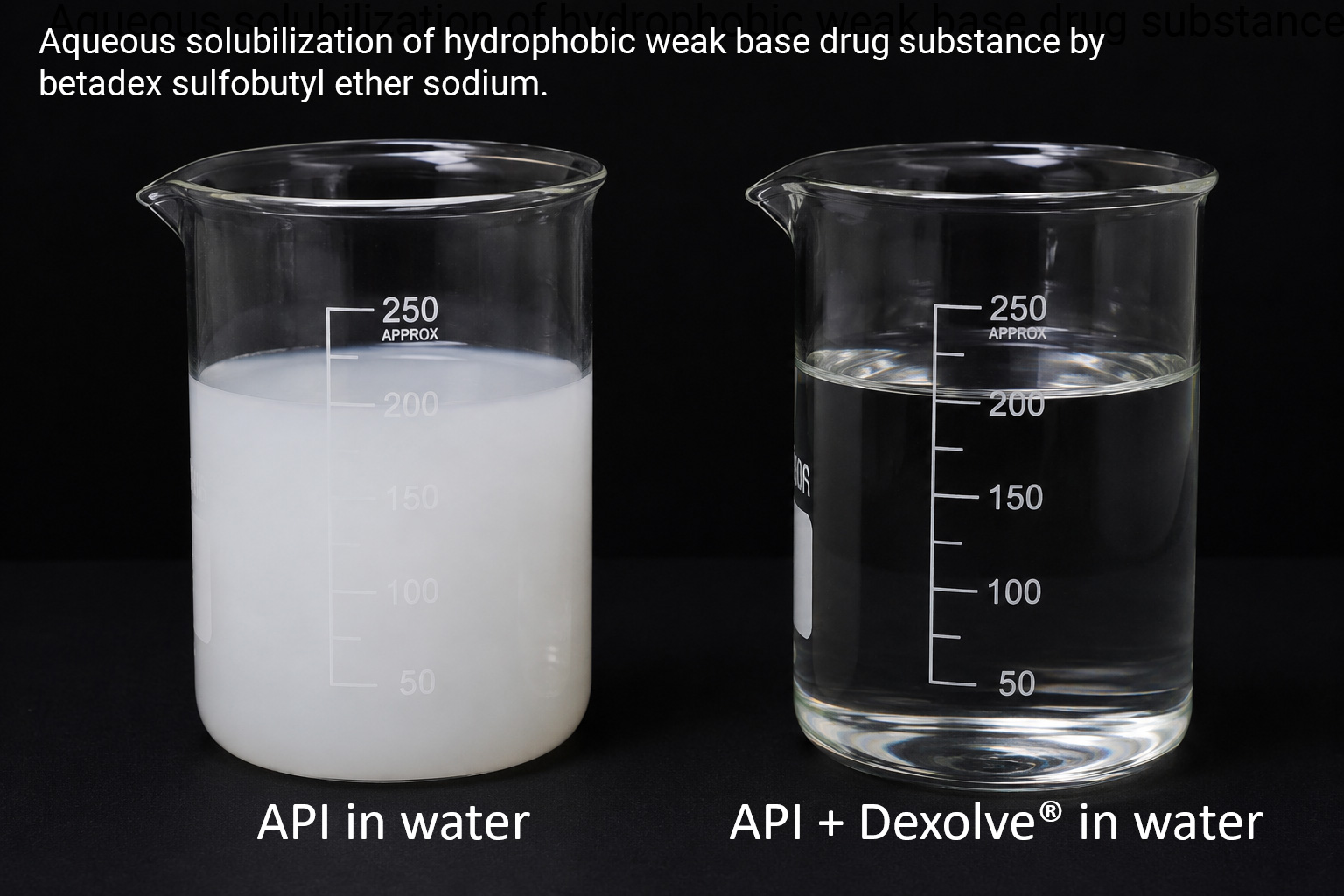
Aprecia Pharmaceuticals: Binder Jetting Process Enables Flexibility in Early Prototyping
Aprecia is a specialty CDMO providing formulation development and manufacturing for complex oral solid dosage forms. What sets Aprecia apart is its proprietary binder jet 3D printing platform enabling a single formulation, single process and single manufacturing platform from pre-formulation through commercial launch. The integrated approach is designed to accelerate production timelines through rapid supply of clinical trial material, and by eliminating costly technology transfer time. With a single formulation, multiple strengths can be achieved at any quantity, reducing risks commonly associated with formulation switching, comparability studies, and CMC investment before clinical proof-of-concept. Efficiency can be further realized in that tablet production occurs directly in primary packaging with real-time quality verification using on-machine process analytical technologies.

Binder jet additive manufacturing enables flexibility in dosage form design difficult to achieve with conventional tableting, including high drug loading, fixed-dose combination products containing multiple APIs in a single tablet, and patient-centric orally disintegrating tablets (ODTs). The platform also supports lifecycle management through differentiated dosage forms that may create opportunities for additional intellectual property and product exclusivity.
An effective strategy for enhancing the solubility of poorly water-soluble APIs was proven by combining binder jet 3DP with mesoporous silica, enabling the conversion of crystalline drugs into more bioavailable amorphous forms, explains Kyle Smith, President & COO. The binder jetting process enabled flexibility in early prototyping, reduced development time and conserved API resources.
“As pharmaceutical companies seek to accelerate development, strengthen domestic manufacturing through onshoring, and build more resilient supply chains, Aprecia is called on for its flexible, scalable manufacturing platform that supports products from early development through commercialization,” says Mr Smith. “Additionally, customers call on Aprecia to find development and manufacturing solutions for novel dosage forms, extremely high or low drug loading, and fixed-dose combinations – while meeting quality target product profile attributes including dose flexibility, patient acceptability, excipient safety and ease of administration.”
At the same time, sponsors are placing greater emphasis on platform continuity to avoid process changes between development and commercialization. As molecules become more complex and development timelines continue to compress, manufacturers are looking for partners that can simplify scale-up, reduce technology transfer activities, and provide a clear path from formulation development through commercial production, he says.
Reference
CDMO Market Size, Share & Industry Analysis, Fortune Business Insights, April 27, 2026, https://www.fortunebusinessinsights.com/contract-development-and-manufacturing-organization-cdmo-outsourcing-market-102502.
Total Page Views: 2791