

SPECIAL FEATURE - Injection Devices: Advancements Converge to Expand Patient Possibilities
Key Points
- Injection devices are rapidly shifting toward patient-centric, at-home treatment--moving complex therapies from hospitals and IV infusions to subcutaneous self-administration.
- New therapies are becoming higher-volume, more viscous, and higher-concentration, creating challenges that traditional injection systems cannot always handle.
- The next generation of devices must balance usability, manufacturability, sustainability, and smart technology.
By: Cindy H. Dubin, Managing Editor
Innovation. That is the answer device manufacturers give when asked what excites them most about today’s injection devices. From needle-free injections to more intuitive design, device developers aim to maximize patient adherence. One example of designing for adherence comes from LG Chem, which presented long-term safety and efficacy data in May for its Eutropin growth hormone therapies, and also introduced the EcoPen injection device. So Jin-eon, Head of LG Chem’s Research and Development Division, said EcoPen was developed based on the company’s “3-Comfortable” framework, which was derived from analyses of treatment experiences reported by patients, caregivers, and healthcare professionals. “Beyond improving the device itself, we focused on reducing the psychological and physical burden experienced by children and caregivers during injections,” So said. “We expect EcoPen to improve treatment adherence in real-world settings.”
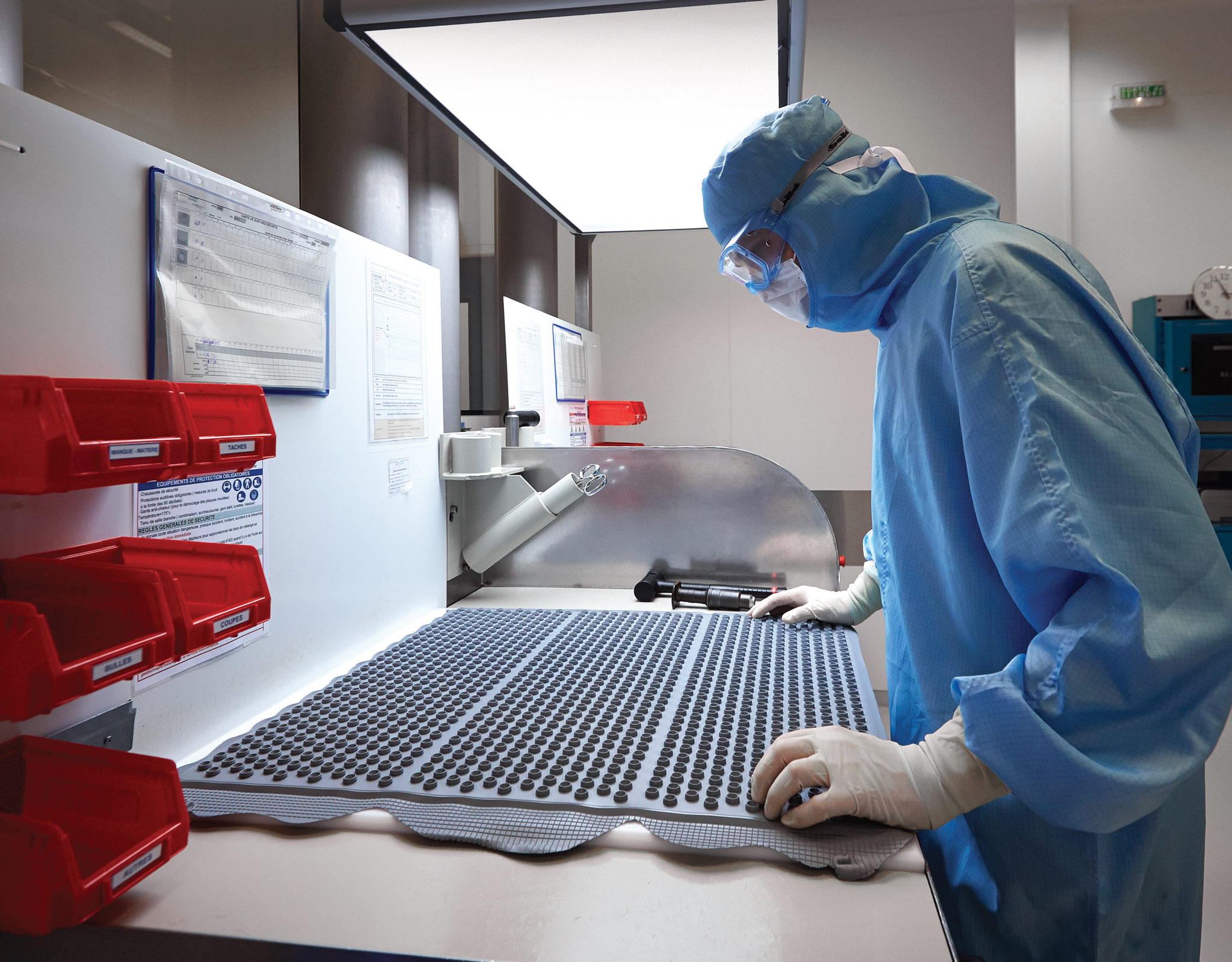
PremiumFill® components produced under enhanced cleanroom controls (Aptar Pharma).
Device developers are focused on the home setting, in particular. Perhaps no treatment has driven self-administration faster than the GLP-1 sector. For example, earlier this year, Eli Lilly unveiled a month-long injectable device for Zepbound designed to make the treatment more convenient. Instead of using a single-dose autoinjector each week, patients can store a month’s worth of medication in one pen, reducing the number of devices patients must manage and simplifying the treatment routine. Previously, most Zepbound users relied on weekly, single-dose autoinjector pens. Others used single-dose vials that require drawing the medication into a syringe before self-injection. The multi-dose device – called the KwikPen – streamlines that process, eliminating repeated packaging and preparation.1
Stevanato Group’s multi-device for GLP-1 delivery addresses the shift towards patient-centric models of care and self-administration. The company just received European marketing authorization for its liraglutide-based combination products incorporating Stevanato Group’s proprietary Alina® pen injector platform. The approved configurations include Alina 30, developed for liraglutide-based therapies for diabetes, and Alina 50, designed for liraglutide-based weight management applications. Both variants are part of Stevanato Group’s broader Alina variable-dose pen injector platform, which offers multiple pre-configured variants for GLP-1s and other injectable therapies. Alina features a dial-a-dose mechanism with visual, audible, and tactile feedback during dose selection and injection, and compatibility with ISO standard 3mL glass cartridges. The platform has been designed to support manufacturing scalability, and integration into existing pharmaceutical fill and finish and final assembly supply chains.
At-home subcutaneous (SC) self-administration marks a significant transition from intravenous (IV) hospital settings, particularly for delivering more complex biologic therapies and larger volumes. In July, Eisai Co., Ltd. and Biogen Inc. announced the FDA approval of a supplemental Biologics License Application (sBLA) for a once-weekly lecanemab-irmb subcutaneous injection as an initiation dose for the treatment of early Alzheimer’s disease. LEQEMBI is administered via the LEQEMBI IQLIK autoinjector, an SC alternative to IV dosing from the start of treatment.
Similarly, the FDA recently approved Sanofi’s SC Sarclisa (isatuximab-irfc) Escena in combination with standard-of-care regimens for the treatment of patients with multiple myeloma (MM) across all existing indications of Sarclisa IV formulation. With the approval, Sarclisa Escena is the first anticancer treatment to be administered through both an on-body injector (OBI; via the CirCLIQ®) and manual SC administration. The OBI uses a retractable 30g needle that is shorter and thinner compared to the needles commonly used for large-volume injections. The approval of Sarclisa Escena with Enable Injections’ CirCLIQ OBI – developed using the enFuse® platform.
“What excites me most is the opportunity to fundamentally change where and how advanced therapies are delivered,” says Patrick Anquetil, PhD, Chief Executive Officer, Portal Instruments. “Over the past several decades, the biopharmaceutical industry has made extraordinary progress in discovering increasingly powerful biologic medicines. The next frontier is ensuring those therapies can be delivered conveniently, reliably, and comfortably to patients. As biologics become larger, more complex, and more personalized, delivery technology will increasingly determine whether a therapy requires an infusion center visit or can be administered at home.”
As delivery platforms reach a broader range of patients in their preferred settings, access to therapy becomes virtually unlimited, say industry insiders. These devices are becoming more intuitive, scalable, and smarter. Consider Remedy Place has launched the NAD+ Smart Pen, a next-generation injectable designed to make clinical-grade NAD+ accessible at home. Developed in exclusive partnership with UK-based NADclinic, the pen contains 1,000 milligrams of high-purity NAD+, a naturally occurring coenzyme involved in cellular energy metabolism. The NAD+ Smart Pen contains no stabilizers, fillers, or synthetic additives, preserving the integrity of the molecule. According to a press statement, Remedy Place is calling the NAD+ Smart Pen “the most advanced smart pen delivery system available, elevating precision, accessibility, and performance in one seamless solution.”
Another smart injection technology comes from a partnership between Aptar Digital Health and Enable Injections, Inc. Aptar Digital Health is now Enable’s preferred digital health partner for the enFuse® On-Body Delivery System. This digital solution is designed to guide patients and caregivers throughout the injection process and support patient adherence. According to a press release, adherence data and patient reported outcomes will be captured remotely, securely stored and made available through analytics dashboards that generate actionable insights intended to support clinical development, launch readiness and real-world use.
“I believe we are entering an era where intelligent delivery systems will become as important as the drug itself,” says Anquetil. “The convergence of biologics, digital health, connectivity, and closed-loop-controlled delivery has the potential to improve adherence, generate valuable treatment insights, and bring therapies once confined to hospitals and infusion centers directly to patients. Ultimately, success will be measured not by what the device can do, but by what it enables.”
Katie Falcone, Director, Technical Services, Integrated Systems, West, adds: “I am particularly encouraged by how these innovations are coming together with a stronger focus on the patient. As we continue to learn more about usability and real-world use, we can design delivery systems that not only meet technical requirements but also fit more seamlessly into patients’ lives. Overall, I see a future where we can take increasingly complex, lifesaving therapies and deliver them in ways that are more optimized, more accessible, and ultimately more supportive of patient independence.”
This exclusive annual Drug Development & Delivery report highlights some of the most innovative and patient-centric injection device platforms, the needs they fulfill in the market, and how they make treatments more accessible.
Aptar Pharma: Reducing Scrap Rates by Over 20% with Advanced Injectables Closure Systems
Particulate contamination remains one of the leading causes of injectable drug product recalls. A single defect can lead to the rejection of an entire finished batch. With EU GMP Annex 1 setting stricter expectations on contamination control, closure quality has become a key factor in fill-finish efficiency and total cost of ownership for pharmaceutical manufacturers.
“Primary packaging is often overlooked as a lever to reduce fill-finish rejections, yet closure quality directly influences batch outcomes,” says Estelle Verger, Business Development Senior Manager, Aptar Pharma. “With this in mind, we designed PremiumFill® to deliver meaningful improvements on the defect categories that matter most to our customers.”
Aptar Pharma’s PremiumFill vial stoppers and prefilled syringe plungers are produced under enhanced specifications for fibers, embedded and foreign particles, metallic particles, and biological contamination. Molding and trimming are performed in ISO 7 cleanrooms with robotized handling; components undergo metal detection before packaging. The result is tighter defect limits on the categories most often responsible for rejection at the fill-finish stage, she says.
The operational benefit was measured in a case study run at a global biopharmaceutical manufacturer’s facility. The customer switched from a standard vial stopper to an Aptar Pharma PremiumFill stopper on an infusion product and inspected finished units using automated vision, comparing lots produced with each closure.
“Over nine months of operation, the customer reported a reduction in scrap rate of over 20%, with the most significant improvements observed on fiber contamination and stains*”, says Ms. Verger. “The 20% scrap reduction translated into better line yield and improved fill-finish efficiency for our customer. It also confirms that closure quality can have a measurable impact on operational performance, especially when contamination control expectations continue to rise.”
She adds that this case study demonstrates that stopper selection is more than a compliance or packaging decision. By reducing visible defects at the fill-finish stage, enhanced closure quality can help cut avoidable scrap, improve line yield, and create a measurable total cost of ownership benefit for injectable manufacturers.
For more information, please contact Aptar Pharma.
*Result observed by one customer, following their specific control procedures and evaluating defects attributable to stoppers on a final drug product.
BD Pharmaceutical Systems: Advancing Subcutaneous Delivery of High-Dose Therapies
The rise of high dose subcutaneous therapies is creating new delivery challenges, as formulations become more complex, more viscous, and larger in volume. BD addresses these challenges through patient-centric product innovation and strategic partnerships with customers and industry partners. Examples include its prefillable syringes and wearable injectors, translational research capabilities, and a strategic partnership around device integration.
The new BD Neopak™ XtraFlow™ Glass Prefillable Syringe 5.5mL leverages BD advanced technologies, including a shorter, 8-millimeter needle and thinner wall cannulas, to support the delivery of higher volume and viscosity medicines.
“These enhancements should enable improved injection time and optimized flow, addressing common challenges with large-volume biologics and enabling drug developers to move beyond the limitations of standard syringe offerings,” says Beth DiLauri, WW Director, Global Marketing, BD Pharmaceutical Systems.
For therapies with high-dose formulations that require extended injection times, BD offers the BD Libertas™ Wearable Injector with Peel, Stick & Click™ technology. The patient ready-to-use and fully mechanical design is intended to simplify delivery of large volume and/or high-viscosity fixed-dose injections. Patients will receive the drug without having to assemble the delivery system or transfer the drug. There is no battery or electronics to complicate pharma development and validation or patient use.
“Additionally, BD’s translational research experience and body of pre-clinical injection science data has helped inform pharma and retire risk on their time to market pathway,” she says. “This expertise continues to expand with new technologies and alternatives entering the market. For example, recent research has studied the delivery of formulations with and without hyaluronidase using BD Libertas™ Wearable Injector, showing positive results.”
BD is also working with industry partners on device integration. The company is strengthening its collaboration with Ypsomed while working on the 5.5mL version of the BD Neopak XtraFlow Glass Prefillable Syringe. This is designed to be fully compatible with Ypsomed’s YpsoMate® 5.5 autoinjector platform, expanding options for pharmaceutical companies and patients who require large-volume subcutaneous self injections.
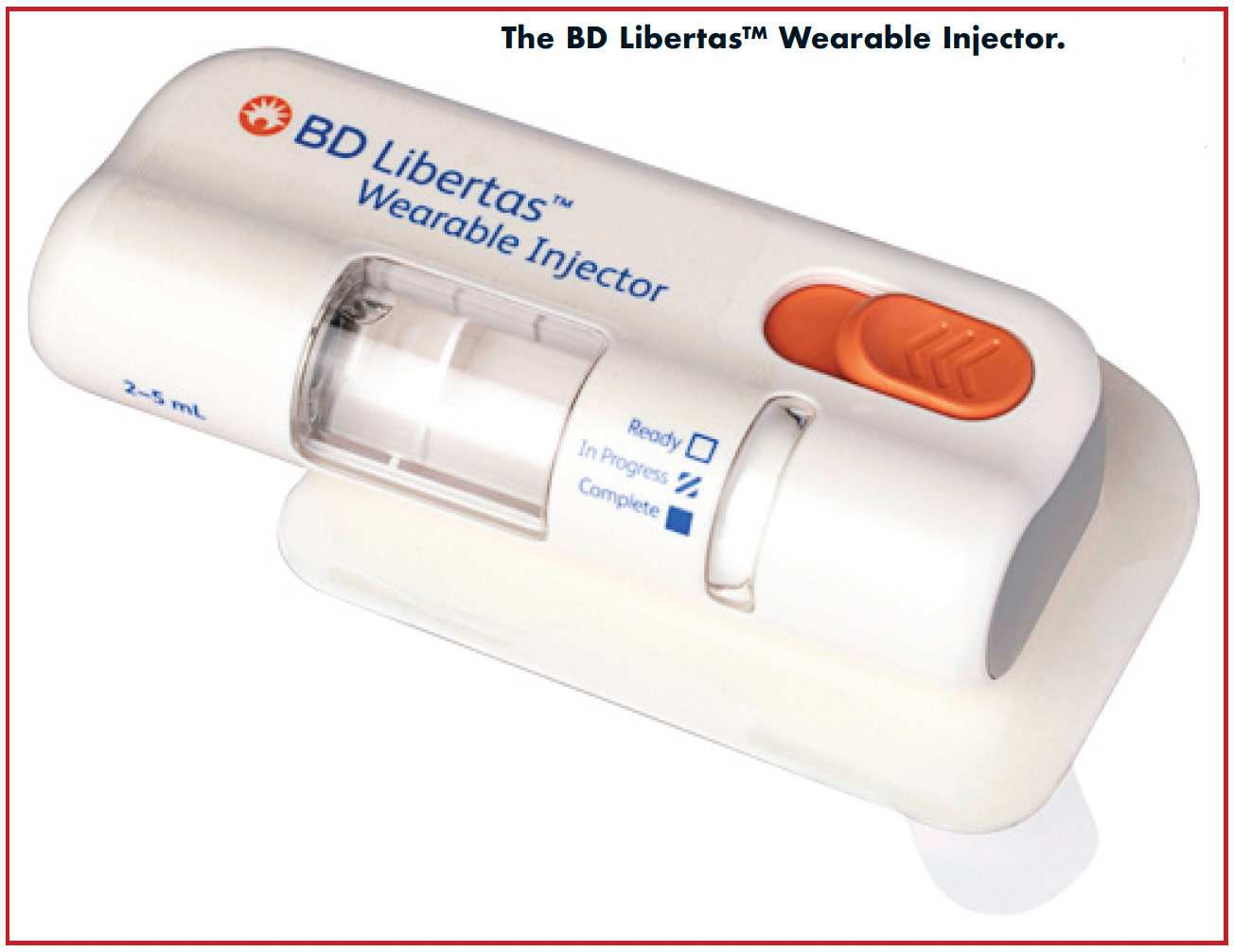
BD also partnered with a pharma company evaluating a high-dose, high-viscosity biologic for subcutaneous delivery. The key question was whether an on-body delivery system could successfully support the product’s clinical and commercial objectives. A cross-functional team of subject matter experts developed and executed a targeted evidence-generation plan using the BD Libertas™ Wearable Injector.
“Through a combination of predictive modeling, bench testing, and in vivo studies, we generated a comprehensive understanding of product performance across a range of delivery conditions,” explains Ms. DiLauri. “The outcome was a data-driven assessment that informed our pharma partner’s objectives and decision making.”
Credence MedSystems: Balancing Sustainability, Usability & Manufacturing Efficiency
The continued growth of biologics, monoclonal antibodies and GLP-1 therapies is accelerating the transition towards larger-volume subcutaneous injections, particularly in 3mL and 5mL formats. While these therapies offer important clinical benefits through higher doses and less frequent administration, they also present a significant challenge for device developers.
“Larger injection systems typically require more plastic, which means a bigger device footprint and, so, increased packaging. This in turn places greater demands on manufacturing, logistics and disposal,” says Sian Eden, Commercial Director, Credence MedSystems. “Our industry must continue to deliver improved patient experiences while reducing environmental impact without introducing additional complexity for pharmaceutical manufacturers.”
Credence MedSystems believes the solution lies in designing sustainability into the device from the outset, rather than adding it as an afterthought. The Credence Companion® prefilled syringe platform integrates passive needle retraction within the syringe itself, eliminating the bulky external plastic safety assemblies commonly used on conventional safety syringes.
“The result is a familiar syringe format that incorporates passive safety and intuitive audible, tactile and visual end-of-dose confirmation while reducing the additional material typically associated with larger-volume injection devices,” she says.
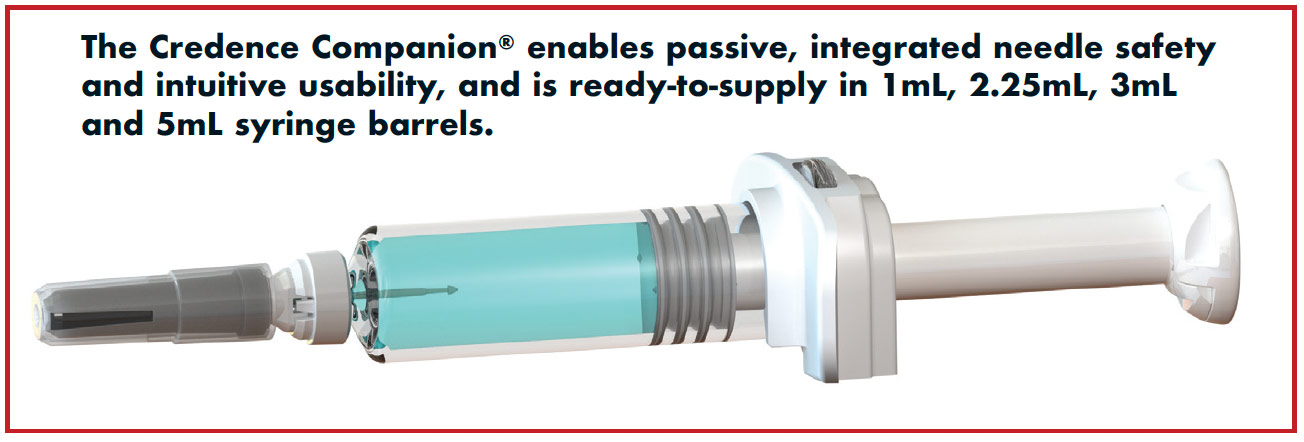
As the market moves towards 3mL and 5mL injectable therapies, the benefits of Companion’s integrated design become increasingly significant, adds Ms. Eden. Reducing material usage can lower packaging requirements, transportation volumes, warehouse footprint and cold-chain space, while the smaller Companion Syringe post-use profile helps reduce sharps waste. “These efficiencies demonstrate that sustainability and operational performance are not competing priorities but can be advanced together through thoughtful engineering,” she says.
Equally important is ensuring that innovation integrates seamlessly with established pharmaceutical manufacturing processes. Device platforms that are compatible with existing fill-finish operations and standard syringe formats enable manufacturers to adopt new technologies with lower implementation risk while maintaining established production efficiencies. This approach allows innovation to focus on improving patient safety and usability without disrupting proven manufacturing infrastructure.
Looking ahead, the most exciting opportunity in injectable drug delivery is the convergence of patient-centered design, sustainability and manufacturability, says Ms. Eden.
“Future injection systems must not only support increasingly complex biologic therapies but also minimize environmental impact and integrate efficiently into pharmaceutical production,” she says. “Innovation that successfully balances these objectives will help shape the next generation of injectable drug delivery and ensure that advances in therapy are matched by advances in device design.”
Datwyler: Filling a Gap in Large-Volume Delivery
The larger volume delivery space (>10mL) continues to be a high-demand area for drug delivery systems, and as the pharmaceutical space continues to move towards high viscosity biologics (e.g. monoclonal antibody-based therapies), the need for larger volume container closure components, such as syringe or cartridge plungers, will continue to increase. Additionally, drug compatibility with container closure components is, and will continue to be, a challenge. Extractables and leachables (E&L), silicone particles, particulates, etc., will need to be addressed to ensure drug purity and efficacy when delivered to the end user.
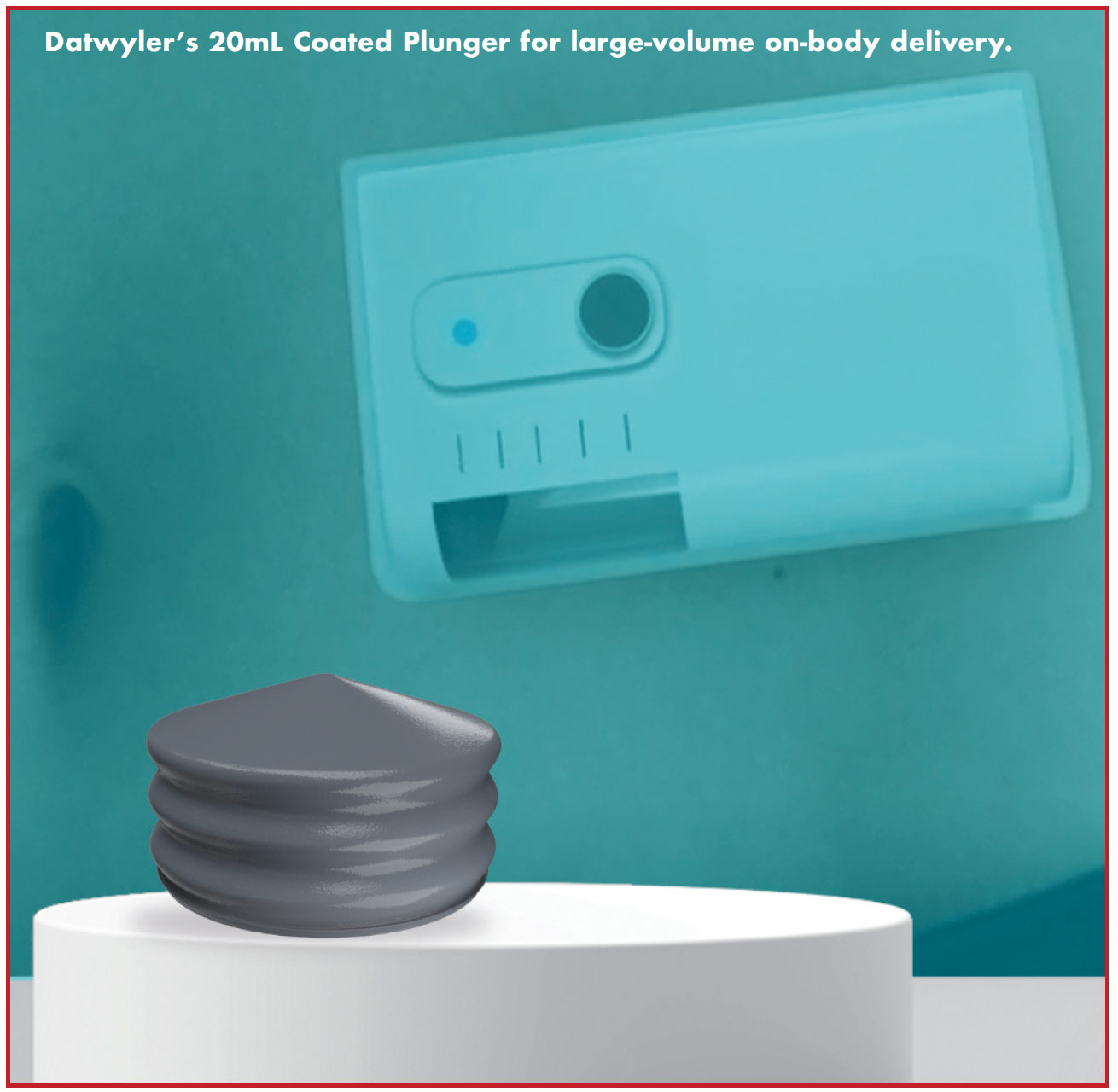
Datwyler’s NeoFlex™ portfolio of plungers addresses the needs of drug compatibility by delivering a low E&L profile and clean rubber elastomer that ensures drug compatibility concerns are alleviated throughout the drug delivery device development lifecycle, explains Yitian Xiao, Global Biologics Product Expert, Datwyler.
Datwyler’s 20mL V9621 NeoFlex fluoropolymer spray-coated plunger enables smooth, low variability gliding performance when integrated into a 20mL glass cartridge-based drug delivery system, he says. The low variability gliding ensures that drug delivery injection times are predictable, improving patient comfort and increasing likelihood of patient adherence to their therapies.
“As the first to market 20mL spray-coated plunger, V9621 NeoFlex has filled the gap in the large-volume delivery space, allowing pharmaceutical partners to develop a large-volume delivery device for a therapy that could only be delivered in large-volume applications,” he says. “This advances therapies through clinical trials that were once not possible but have been enabled by the incorporation of this novel 20mL plunger to their chosen drug delivery system.”
NeoFlex also incorporates an energy-efficient spray coating technology that has a 50% lower carbon footprint compared to traditional fluoropolymer film-coating application for plungers. In fact, in 2024 and 2025, Datwyler received the Ecovadis Platinum rating – the highest possible rating – for its sustainability efforts through many initiatives and metrics incorporated in its global processes.
Mr. Xiao says: “This portfolio of plungers balances functionality, chemical cleanliness, and sustainability to ensure a high quality product for our pharmaceutical partners in their container closure system development.”
DDL, Inc.: Developing Phase-Appropriate Analytical Strategies & Testing Roadmaps
One of the most significant challenges in injectable drug delivery is navigating the evolving regulatory landscape surrounding combination products while ensuring product performance, functionality, and integrity. As regulatory expectations, standards, and guidance documents continue to advance, pharmaceutical and biotechnology companies must demonstrate that their delivery systems consistently perform as intended throughout development, commercialization, and lifecycle management.
DDL, Inc. supports clients by helping them interpret and apply these complex regulatory and industry requirements. This is particularly important for autoinjectors, pen injectors, and other delivery systems that incorporate prefilled syringes or cartridges, where selecting the appropriate performance and functional testing methodology is critical.
“Our team works closely with customers to develop phase-appropriate analytical strategies and testing roadmaps tailored to the specific combination product,” says Jennifer Riter, Vice President of Analytical Testing Services, DDL. “We provide guidance on test method development, validation, and regulatory expectations, ensuring that all necessary performance evaluations are incorporated into a comprehensive testing program.”
In addition, DDL performs testing in a cGMP-compliant, FDA-registered laboratory, delivering the data needed to support product development, regulatory submissions, commercialization, and ongoing lifecycle management. By combining scientific expertise with regulatory insight, DDL helps clients navigate the complexities of combination product development while accelerating their path to market, she says.
The future of injectable drug delivery is particularly exciting because of the rapid pace of innovation focused on improving patient outcomes, convenience, and treatment adherence. Emerging delivery technologies are enabling more efficient and effective administration of complex therapeutics while enhancing the overall patient experience.
As these systems become increasingly sophisticated, they also present new challenges for product evaluation and verification. Novel device designs often require the development of equally innovative testing methodologies to adequately assess performance, functionality, usability, and product integrity. Relevant examples include luer activated valves (LAVs) under ANSI/AAMI CN27 and novel container closure systems evaluated under USP 1207.
“At DDL, we are energized by the opportunity to support these advancements,” says Ms. Riter. “As injectable delivery technologies continue to evolve, we remain committed to developing cutting-edge test methods and analytical approaches that help bring innovative therapies to patients safely, effectively, and with confidence. The continued advancement of both drug delivery systems and the science used to evaluate them will play a critical role in shaping the future of healthcare.”
Enable Injections: Transitioning Therapies from IV to SC Administration
Misconceptions remain in the volume that can be delivered subcutaneously, but recent regulatory approvals of on-body injectors, such as those based on the enFuse® On-Body Delivery System, demonstrate how far the industry has progressed, validating that these technologies can support SC delivery of complex biologics in large volumes for commercial use, including in oncology. Reformulating IV biologic drugs into patient-friendly subcutaneous drugs without introducing unnecessary complexity can also be a challenge. Enable Injections’ focus has been on developing a simple, mechanical platform that can help make the transition from IV to SC delivery while maintaining an intuitive experience for patients.
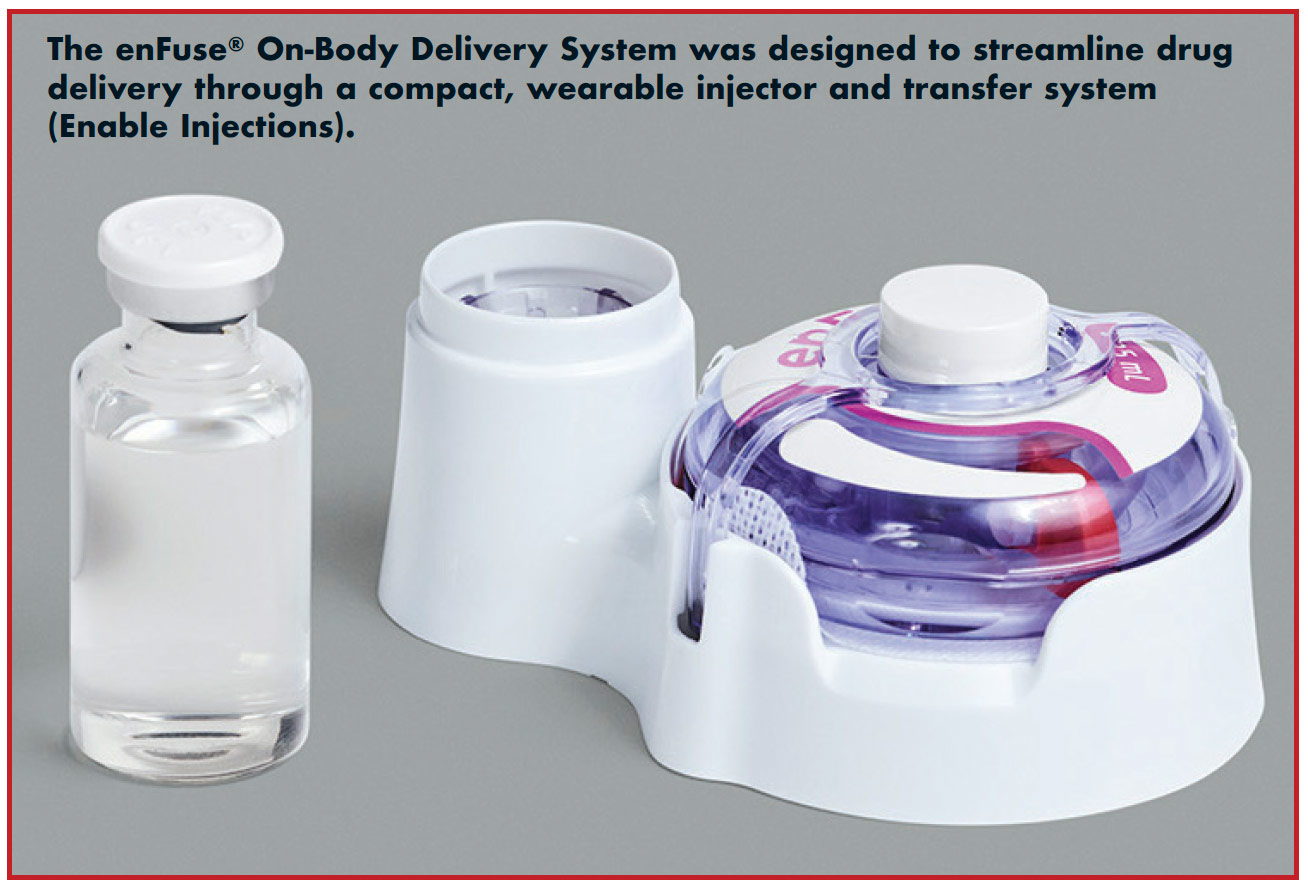
“The enFuse platform includes the flexibility of delivering 5-25mL in a single device, which eases formulation challenges for biopharma,” explains Jenn Beeson, Manager, Corporate Communications, Enable Injections. “It also utilizes an original container closure system further streamlining the process and reducing development costs. Enable’s commercially available on-body injector is intentionally simple, mechanical, and battery-free, minimizing complexity during drug administration.”
Enable is now developing the enFuse Connected Digital System, which will add connected capabilities such as onboarding support, treatment reminders, administration guidance, symptom tracking, and automated data capture, without changing the core injection workflow. Ms. Beeson says: “The goal is for connected technology to support the injection experience rather than complicate it, by delivering meaningful information to patients and providers, and potentially as a data source in clinical trials.”
One example is the recent FDA and EU approval for the CirCLIQ® injector for use with Sanofi’s Sarclisa® with multiple myeloma. The program demonstrates how an on-body delivery system can help support conversion from IV administration while providing patients with a simplified subcutaneous option. For pharmaceutical companies, it illustrates how established delivery platforms may be able to reduce development risk by leveraging technology that has now been validated through multiple regulatory approvals, she says.
“Beyond expanding treatment options, transitioning appropriate therapies from IV to subcutaneous administration has the potential to improve healthcare efficiency by reducing infusion chair utilization and simplifying care delivery,” says Ms. Beeson.
Lifecore: Supporting Options for Improved Adherence & Outcomes
Lifecore is seeing a new wave of drug delivery technologies that are enabling higher concentrations, more viscous formulations, and sustained or targeted release profiles – ultimately broadening the range of therapies that can be delivered effectively outside of traditional care settings, says Mary Evelyn Hudson, Director of New Business Development, Lifecore.
At the same time, she says biopolymer materials, such as hyaluronic acid (HA), continue to play an increasingly important role. “HA isn’t new – we’ve been producing pharmaceutical-grade HA for research and commercial product formulations since the 1980s,” she notes. “But its versatility, particularly in cross-linked or structured formulations, makes it a powerful platform for controlled and sustained delivery. Because it naturally degrades in the body, it provides a biocompatible way to modulate how therapies are released over time, which is incredibly valuable as therapies become more complex.”
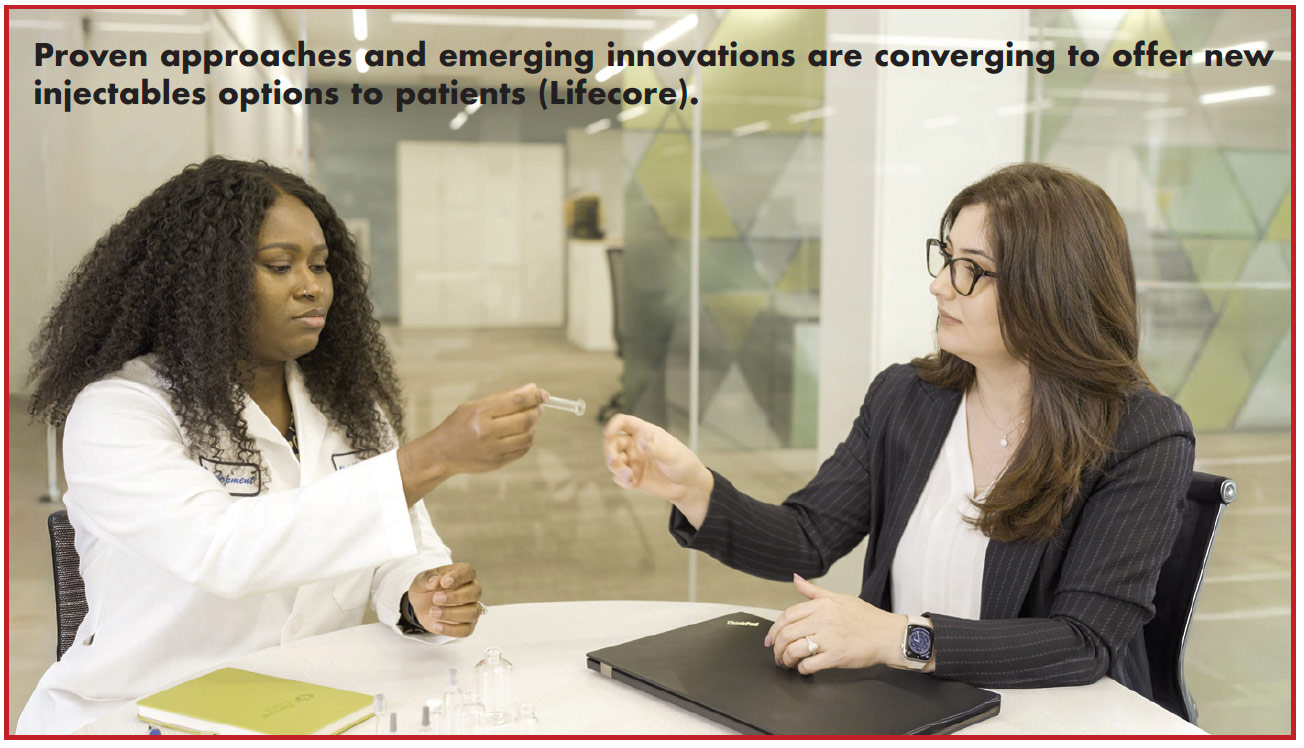
Just as important is how these innovations are working together with established delivery formats. The role of prefilled syringes and autoinjectors is expanding significantly. “As device technologies advance, especially with the ability to handle larger volumes and more viscous formulations, they’re becoming a critical bridge between complex drug formulations and patient-friendly, at-home administration.”
She adds: “What’s most compelling to me is that it’s not any one of these elements alone – it’s the combination. When you bring together advanced delivery technologies, biopolymer-based formulations, and evolving autoinjector platforms supported by prefilled syringes, you effectively expand the aperture of what can be delivered and how. Therapies that may not have been feasible in the past can now reach patients in more accessible, convenient ways, improving adherence and overall outcomes. That convergence – where proven approaches meet emerging innovation – is where I see the greatest momentum and the most compelling opportunities ahead.”
Mitsubishi Gas Chemical Company, Inc.: Multi-Layer Vials Prevent CO2 Permeation
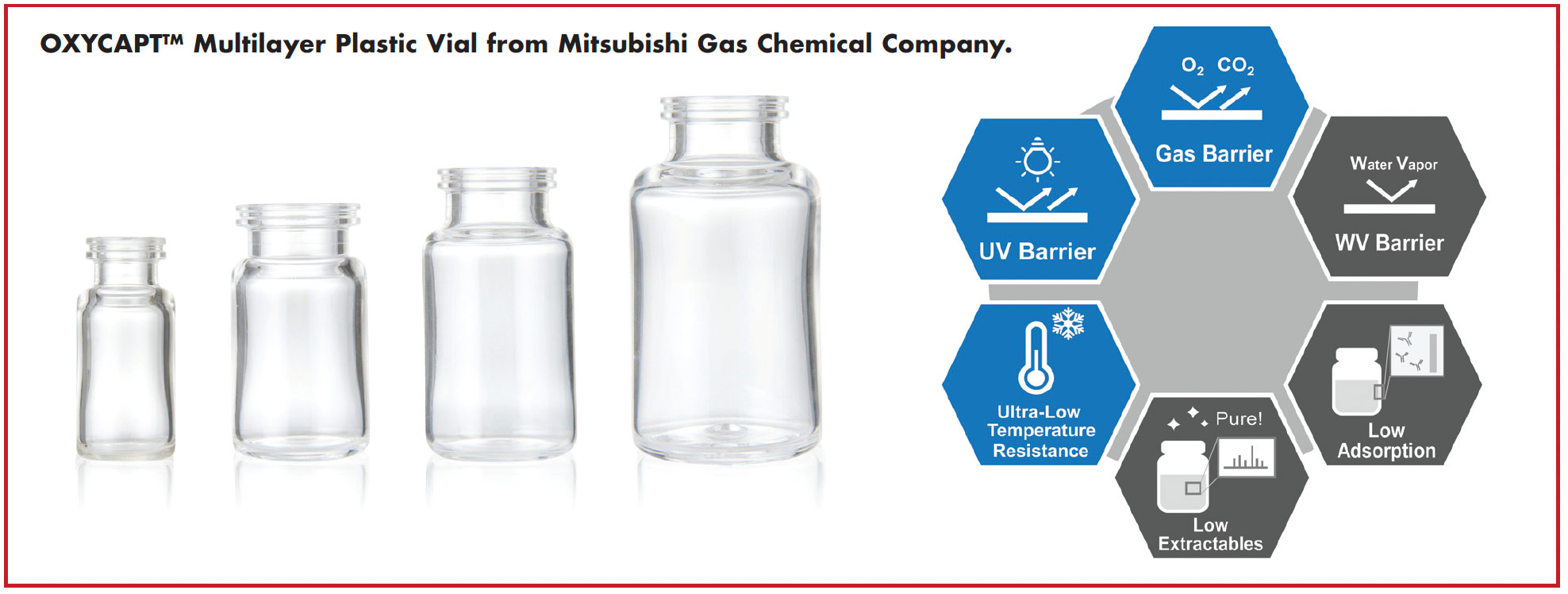
Cell/Gene therapy (CGT) products have become increasingly popular. As they are stored at harsh conditions such as deep-cold or cryogenic temperatures, it is challenging to use conventional glass vials. As an alternative to glass, Mitsubishi Gas Chemical Co., Inc. developed multi-layer plastic vials suitable for the CGT products.
Tomohiro Suzuki, Associate General Manager, Mitsubishi Gas Chemical, says that Cyclic Olefin Polymer (COP) vials are usually used for CGT products, but don’t have sufficient gas barrier properties. “This is a particular issue as new modalities are stored with dry ice generating CO2 gas, so high gas barrier properties are required for the primary containers,” he says. “Our multilayer plastic vials that can prevent CO2 permeation were developed based on the demands of our pharma clients.”
PCI: Complex Biologics Paired with Sophisticated Delivery Systems
One of the biggest challenges in injectable delivery today is managing the increasing complexity of drug-device combination products, balancing batch sizes from large commercial volumes to rare/ultra-rare small volumes, while maintaining speed to clinic and speed to market. The rapid growth of biologics, high-concentration formulations, and patient-centric delivery systems means companies must simultaneously address formulation development, sterile manufacturing, device integration, regulatory requirements, and global supply chain considerations – all while reducing development timelines.
PCI addresses this challenge through an integrated approach that combines device assembly, packaging, analytical services, and sterile fill-finish in one organization. “By bringing these capabilities together, we help clients reduce handoffs between vendors, mitigate program risk, and streamline the path from clinical development through commercialization,” says Paul Smallman, Senior Director, Global Technical Sales, PCI. “Our teams work closely with customers to evaluate formulations, device selection, assembly processes, human factors considerations, and packaging configurations early in development. This proactive approach helps identify potential issues before they impact timelines or regulatory submissions.”
In parallel, the global sterile manufacturing and packaging network provides the scalability and flexibility needed to support emerging biotech companies and large pharmaceutical organizations as product demand evolves. Sustainability has become an increasingly important consideration across the pharmaceutical industry, and PCI works closely with clients to identify opportunities to reduce environmental impact without compromising patient safety, product quality, or regulatory compliance.
“Within our device assembly and packaging operations, we support initiatives aimed at reducing material usage, improving packaging efficiency, and minimizing waste throughout the manufacturing process,” he says. “This includes evaluating packaging designs that optimize material consumption, reduce transportation volume, and improve overall supply chain efficiency. We also partner with customers and suppliers to explore more sustainable packaging materials where appropriate and feasible within the regulatory framework governing combination products.”
In addition, PCI continuously invests in operational improvements that enhance energy efficiency, reduce waste generation, and support responsible resource management across its global networks. These efforts are aligned with broader sustainability goals while maintaining the rigorous quality standards required for injectable therapies.
“While sustainability remains an important objective, every decision must also maintain product quality, sterility assurance, patient safety, and regulatory compliance,” says Mr. Smallman. “Our goal is to help clients achieve both environmental and operational benefits without compromising the performance of their injectable therapies.”
Looking ahead, he says that what is most exciting is the convergence of advances in pharmaceutical development, drug manufacturing, and delivery device technologies. “We are seeing increasingly complex biologics, high-value specialty therapies, and novel formulations being paired with sophisticated delivery systems designed to improve the patient experience and support self-administration,” he says. “As biologics, specialty medicines, and personalized therapies continue to expand, we are seeing increasing demand for advanced autoinjectors, wearable injectors, and other delivery platforms that simplify administration while supporting adherence.”
At the same time, advances in connected health technologies are creating opportunities to integrate digital capabilities into injectable delivery systems. The ability to capture treatment data, support adherence monitoring, and provide real-time insights could further enhance patient engagement and outcomes. From a manufacturing perspective, PCI sees progress in automation, data analytics, and integrated supply chain solutions that can improve efficiency and product quality while accelerating commercialization timelines.
Phillips Medisize: Making Home-Based Treatments More Accessible
A growing challenge in injectable delivery is the growing complexity of biologic therapies, which increasingly require higher viscosities, larger delivery volumes and reliable administration outside traditional clinical settings. This creates a need for devices that are simple and intuitive for patients to use at home while still ensuring accurate, controlled and safe drug delivery. Phillips Medisize is addressing this through a suite of device and technology solutions designed to match different drug and administration requirements, including the Aria™ reusable autoinjector platform, drug delivery solutions for larger volumes, dual-chamber technologies for lyophilized or liquid-liquid formulations, and large-volume infusion technologies.
In the case of one client, Zia Afreedi, Senior Manager, Technical Business Development, Phillips Medisize, explains that there was a need to deliver a long-acting therapy reliably and in the comfort of the home, while keeping the sensitive molecule stable. “Children needing this growth hormone therapy faced daily injections that frequently led to poor adherence — driven by injection pain, bruising and fear of needles,” he explains.
In collaboration with the client, Phillips Medisize developed the SKYTROFA® Auto-Injector – a reusable, rechargeable electromechanical device built around a single-dose, dual-chamber cartridge that holds the freeze-dried drug in one chamber and water in the other. The device automatically reconstitutes the drug, guides a controlled mixing step and delivers the dose after needle insertion, with built-in electronics confirming a full dose.
That transition from clinic to home is being supported by advancements in device technology and artificial intelligence and creating an opportunity for injectable delivery systems to improve adherence and the patient experience. “We are most excited about the continued shift from intravenous to subcutaneous administration, because that shift can make home-based treatment more accessible, convenient and patient-friendly,” says Mr. Afreedi. “As more therapies are formulated at higher concentrations, smaller delivery volumes may become possible, enabling more compact and discreet injection devices. Conversely, some formulations will be more difficult to administer through traditional means, requiring devices with greater flexibility and delivery control.”
Portal Instruments: Closed-Loop Technology Manages Delivery Parameters Throughout Injection
To keep pace with the evolution of biologic therapies, drug developers are increasingly working with larger-volume and higher-viscosity formulations, while patients and providers continue to seek more convenient treatment options outside traditional healthcare settings.
“The industry is responding by rethinking how delivery systems are designed,” says Patrick Anquetil, PhD, Chief Executive Officer, Portal Instruments. “At Portal Instruments, we believe closed-loop, software-controlled delivery platforms represent an important step forward because they offer greater flexibility, precision, and control than purely mechanical approaches. As therapies continue to evolve, towards higher volumes (5 mL and above) and viscosities (20 cP and above), delivery technologies must evolve alongside them.”
Closed-loop, software-controlled technology continuously monitors and manages key delivery parameters throughout the injection process. At Portal Instruments, this philosophy is reflected in PRIME Nexus™, a software-controlled drug delivery platform. “The advantage of intelligent delivery systems is their ability to adapt to the specific requirements of a therapy rather than relying on a one-size-fits-all approach,” explains Dr. Anquetil. “By using feedback and control throughout the injection process, closed-loop systems can help support greater consistency, improve the user experience, and provide greater confidence that therapies are being delivered as intended.”
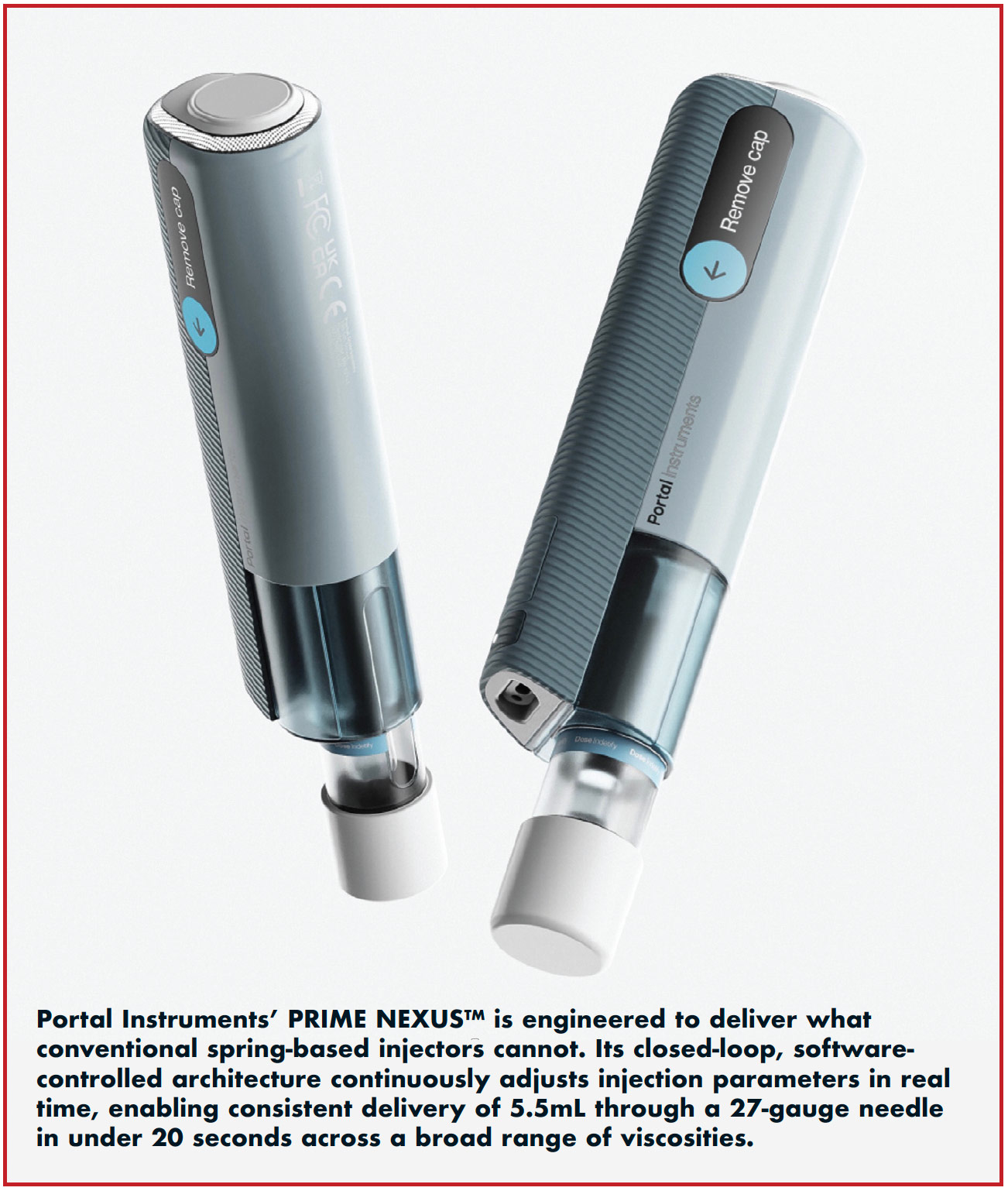
Portal Instruments is currently collaborating with a leading biotechnology company developing next-generation biologic therapies with demanding delivery requirements. As their formulation and clinical strategy evolved, they faced a common industry challenge: how to reliably deliver larger-volume biologics subcutaneously while maintaining a patient-friendly experience. “Using the PRIME NEXUS platform, we demonstrated the ability to deliver a 5.5mL biologic through a 27-gauge needle in less than 20 seconds,” he says. “This is a performance that is difficult to achieve with conventional mechanical autoinjectors. NEXUS accomplishes this through a closed-loop-controlled architecture that continuously monitors and adjusts delivery parameters in real time, ensuring consistent injection performance across varying drug viscosities and container formats.”
For the partner, this created optionality. Rather than being constrained by the limitations of traditional injection devices, they could continue advancing their therapeutic program while evaluating a broader range of formulation and delivery strategies. More broadly, Dr. Anquetil says this illustrates how next-generation drug delivery technologies can help biopharmaceutical companies bring complex biologics closer to the patient’s home and reduce dependence on infusion-based administration.
Stevanato Group: Bridging the Gap to Deliver Combination Products
A key challenge in injectable delivery is bridging the gap between increasingly complex drug formulation requirements and the performance limits of delivery systems. Pharmaceutical companies are developing increasingly complex biologics and advanced therapeutics, while transitioning therapies from intravenous to subcutaneous administration. These trends drive higher drug payloads, often requiring high-concentration formulations, larger injection volumes, or both. This, in turn, creates new demands for combination products that ensure compatibility between formulation, primary container, and delivery device, while delivering reliable performance, usability, and manufacturability at scale.
“At Stevanato Group, we help bridge this gap through an integrated approach that combines drug containment, delivery systems, and final assembly, hence reducing complexity and supporting pharmaceutical companies in bringing increasingly complex therapies to market,” says Antonia Torcasio, DDS Product Portfolio Manager, Stevanato Group.
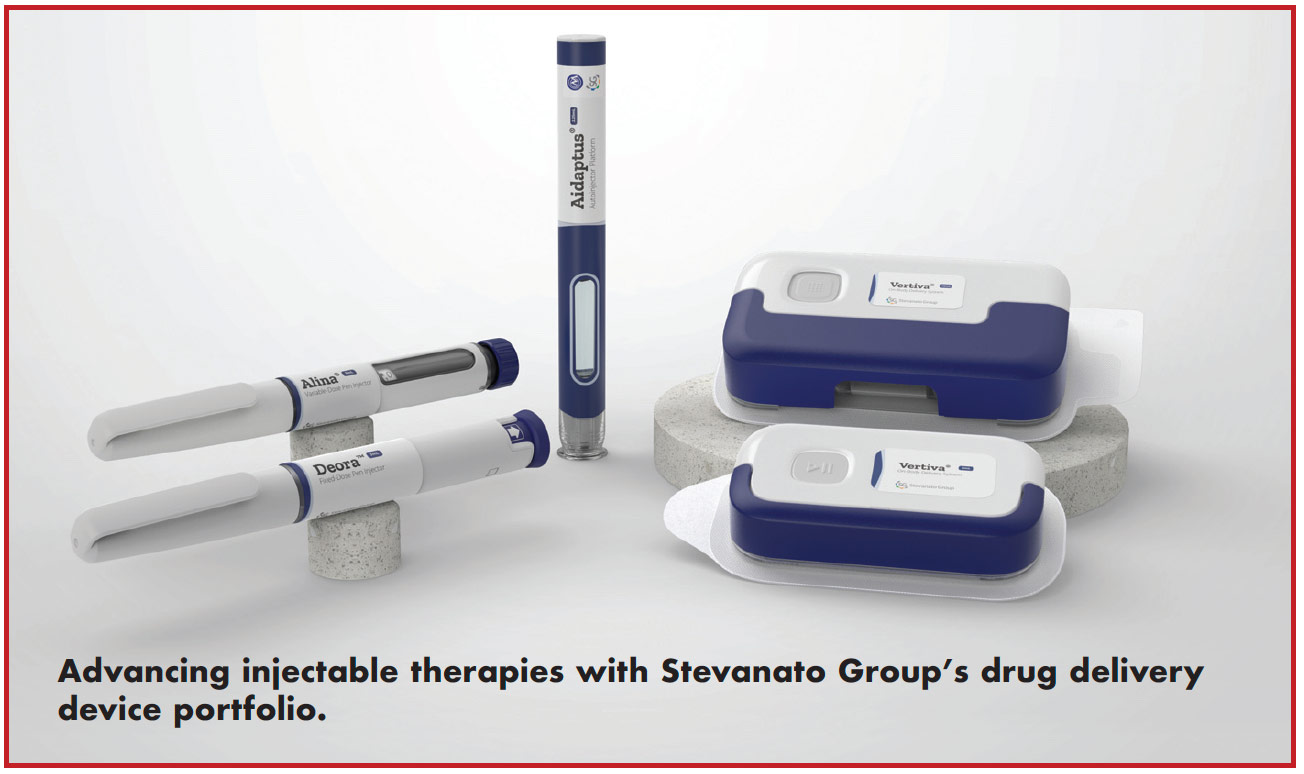
Stevanato Group incorporates smart technology into injection devices where higher levels of control are required. In Vertiva®, an on-body delivery system for large-volume and extended injections, connectivity is enabled through Bluetooth® Low Energy to support advanced therapy management. The system combines a reusable controller with a single-use, drug-filled Pod encoded with therapy-specific information through NFC technology. “This ensures that only the correct Pod is activated at any given time, helping prevent errors such as the use of incorrect or previously used Pods,” she says. “Ultimately, this approach improves reliability and strengthens confidence for both patients and healthcare providers.”
Stevanato Group also approaches design through a sustainability lens. Ms. Torcasio says Stevanato Group favors the reuse of electronics to reduce overall waste, as demonstrated by the Vertiva on-body delivery system, which incorporates a reusable controller. The company also offers single-use products with efficient designs, such as the Aidaptus® autoinjector, which can accommodate multiple syringe formats and fill volumes within the same form factor, helping to reduce the number of SKUs during clinical development or when managing multiple drug assets.
She adds that to give customers greater flexibility in their sustainability strategies, Stevanato Group recently introduced the Deora™ fixed-dose pen injector. As a multi-use device, it enables repeated administrations of fixed doses, reducing the number of devices required per therapy and offering a more sustainable alternative to single-use autoinjectors.
West: Innovation to Support Next-Generation Molecules
Balancing the needs of drug developers with the goal of making therapies as patient friendly as possible is a big challenge. Self-administered combination products, such as prefilled syringes and autoinjectors, give patients greater autonomy and support a homecare environment. However, they also introduce additional complexities for drug/device development teams. As therapies move from intravenous infusion to subcutaneous delivery, formulators often face issues like higher viscosity and larger dose volumes. At the same time, the regulatory pathway for combination products can be more complex, which may discourage early adoption of these formats.
“The core challenge is ensuring that life-saving molecules reach patients quickly while still being delivered through systems that support ease of use and independence,” says Katie Falcone, Director, Technical Services, Integrated Systems, West. “To address this, the industry must prioritize earlier integration of device and formulation development, leverage platform delivery technologies, and enable greater transparency in data sharing early in development to reduce risk in later stages.”
By simplifying development and designing with the end user in mind, The West Synchrony™ S1 prefillable syringe system helps accelerate timelines without compromising the patient experience, she adds. The West Synchrony S1 PFS system integrates the syringe barrel, plunger and needle shield/tip cap into a fully harmonized, verified system from a single supplier.
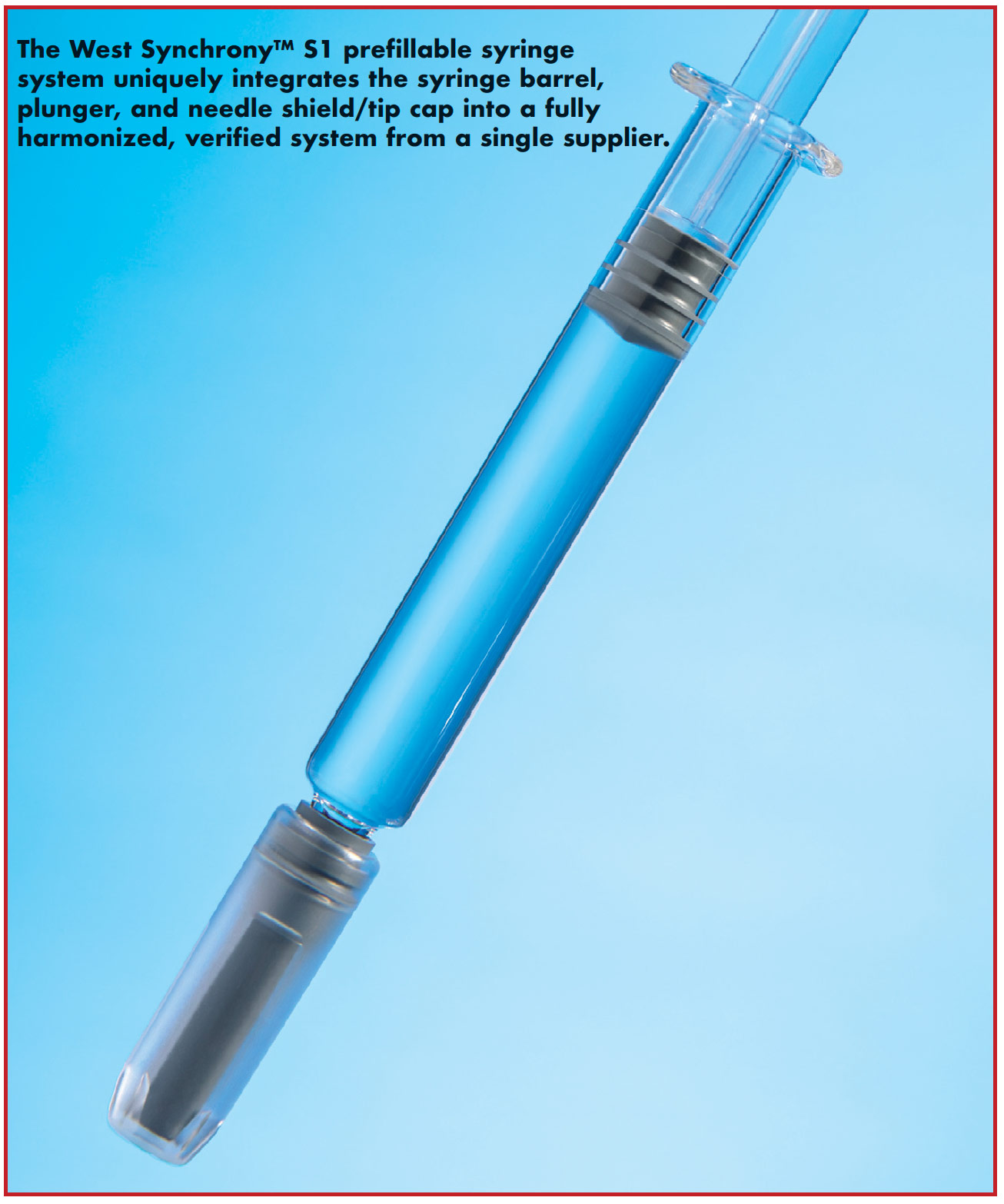
“Unlike traditional component-driven approaches, West Synchrony PFS System delivers a fully verified system-level solution designed specifically for biologics and vaccines,” says Ms. Falcone. “It sets a new standard in drug delivery by accelerating syringe selection through its comprehensive performance and regulatory data packages. This novel approach enables pharmaceutical companies to streamline design, accelerate regulatory submission, and secures a reliable supply chain for combination products that meets quality and volume needs.”
Looking to the future, Ms. Falcone is excited by the innovation happening to better support next-generation molecules. “I think we are right on the cusp of some really meaningful advances. Whether it is new formulation approaches that enable higher volume subcutaneous delivery, or a deeper understanding of what patients need in terms of injection tolerability and experience, there is a real opportunity to improve how therapies are delivered.”
REFERENCE
- Eli Lilly’s New $299 Month-Long GLP-1 Injector Shows Why It’s Winning the Weight-Loss Race, by Leila Sheridan, Inc., Feb. 23, 2026.
Total Page Views: 573