

Issue:October 2026
SPECIAL FEATURE - Excipients: Strategic Enablers of Innovation
Key Points
- As drug molecules become more challenging, the future of formulation will depend on smarter excipient selection.
- AI/ML can help predict drug–excipient interactions, stability, dissolution, bioavailability, and suitable formulations, allowing developers to explore a larger design space before conducting extensive laboratory experiments.
- The industry is moving toward highly functional, patient-centric excipients for increasingly difficult drugs.
By: Cindy H. Dubin, Managing Editor
As of this writing, the pharmaceutical industry will be getting ready to descend upon Milan for CPHI where excipient products and suppliers will be on full display. The global pharmaceutical excipients market size was valued at close to $11 billion in 2025, and is projected to grow from $11.18 billion this year to $17.89 billion by 2034. The market is being driven by rising production of generic drugs, increasing demand for complex drug formulations, as well as a call for functional, high-purty excipients.1
“Organic excipients are likely to become increasingly important as demand grows for cleaner-label, naturally derived, and consumer-friendly formulations,” says John Tillotson RPh, PhD, Technical Business Director, ABITEC. “Their impact may be more pronounced in nutraceuticals than in pharmaceuticals, where functionality, safety, consistency, and regulatory requirements remain the primary drivers of excipient selection. At the same time, traditional non-organic excipients will continue to play an essential role, given their established performance, robustness, cost-effectiveness, and broad regulatory acceptance across pharmaceutical formulations. The future is likely to be one of complementarity rather than replacement, with both organic and traditional excipients serving distinct formulation needs.”
One distinct formulation need is choosing the best excipient. AI is becoming an increasingly valuable tool in formulation development, particularly as drug products become more complex and development timelines tighten. “As a result, we are seeing the emergence of digital formulation development platforms that use Artificial Intelligence and Machine Learning to help predict suitable excipients for a given API and/or dosage form,” says Maj-Britt Cepok, Head of Pharma, BENEO. “These platforms can draw on extensive formulation and ingredient databases, helping identify patterns from historical development data. They help formulators evaluate factors such as stability, solubility, dissolution performance and bioavailability much earlier in the development process, enabling for leaner and hence more efficient development processes.”
Dr. Jessica Mueller-Albers, Strategic Marketing Director Oral Drug Delivery Solutions, Evonik, agrees: “AI-driven models can help predict drug-excipient interactions, physical stability, dissolution behavior, and bioavailability, enabling researchers to evaluate a larger formulation space before entering laboratory studies. The greatest value today lies in combining predictive algorithms with high-quality experimental datasets and formulation expertise. AI can rapidly identify promising excipient candidates, optimize compositions, and reduce development cycles.”
However, Mueller-Albers and Cepok quickly point out that successful pharmaceutical development still relies on scientific understanding and experimental verification. While AI will not replace formulation expertise, it can significantly accelerate decision-making and reduce the number of experimental iterations. The future will likely involve closer integration of AI-powered screening tools with mechanistic formulation knowledge and advanced excipient databases to support faster development, optimized manufacturing processes, and ultimately more patient-centric medicines.
In this article, many of the companies that will exhibit at CPHI give Drug Development & Delivery an exclusive sneak peak at the technologies they will showcase.
ABITEC: Lipid-Based Delivery for Next-Gen Drug Development
ABITEC is a functional and customized lipid supplier, addressing applications from active ingredient solubilization to unique lipid customization for the formulation of lipid nanoparticles for nucleic acid delivery and advanced biopharmaceutical applications. The company also offers compendial excipients for direct compression tableting and sustained release.
“Lipid-based drug delivery systems offer a highly effective and versatile solution, enabling improved solubilization and absorption of poorly soluble APIs while often being relatively straightforward to formulate and implement,” says John Tillotson RPh, PhD, Technical Business Director, ABITEC. Their combination of performance, formulation flexibility, and ease of adoption positions lipid-based delivery as an increasingly attractive strategy for next-generation pharmaceutical development. Additionally, in certain cases lipids can improve the permeability of certain actives.
AI is emerging as a valuable tool for pharmaceutical excipient selection, helping formulators navigate complex relationships between API properties, excipient functionality, processing conditions, and desired product performance. This role is particularly promising in lipid nanoparticle (LNP) formulation for nucleic acid delivery, where the large formulation design space and interactions among ionizable lipids, helper lipids, cholesterol, PEG-lipids, nucleic acids, and process parameters can make optimization challenging, explains Dr. Tillotson.
He says: “AI and machine-learning approaches can accelerate formulation screening, identify influential variables, predict key attributes such as particle size, encapsulation efficiency, stability, and delivery performance, and ultimately support more efficient, data-driven development of LNP systems.”
Lipd-based drug delivery, among other technologies, will shape the future of new APIs, summarizes Dr. Tillotson.
BENEO: Multi-Functional Excipient Addresses Manufacturing & Patient-Related Challenges
The increasing complexity of modern medicines is driving demand for more functional excipients. Traditionally, many formulations relied on excipients primarily serving basic roles such as filling, binding or disintegration. Today, however, multifunctionality is in demand, for different perspectives such as formulation performance (e.g. controlled-release systems), dosage forms beyond classic tablets (e.g. mini and chewable tablets, sachets and stick-packs) as well as new processing technologies (such as continuous manufacturing), explains Maj-Britt Cepok, Head of Pharma, BENEO.
As a result, manufacturers are looking for multifunctional excipients that can support both formulation performance and efficient processing. At the same time, patient-centric drug development is creating interest in excipients that improve palatability and ease of administration. In short, excipients are evolving from “inactive” ingredients to strategic tools that help overcome formulation and manufacturing challenges.
galenIQ™ is a multifunctional excipient. “Our pharmaceutical excipient, galenIQ™, is a multifunctional isomalt-based filler and binder used in a wide range of oral dosage forms,” says Ms. Cepok. “It combines excellent flowability, high compressibility, low hygroscopicity and chemical stability, while also enhancing palatability. This versatility allows formulators to address both manufacturing and patient-related challenges.”
She shares an example from a development project with a poorly water-soluble API that, when administered as a conventional tablet, typically requires multiple doses throughout the day. Such frequent dosing regimens can be burdensome for patients and may negatively impact adherence. The goal was to develop an alternative dosage form with enhanced bioavailability and reduced dosing frequency.
“Using galenIQ™ as the carrier for nanoparticle-loaded pellets, the developers were able to create a multiparticulate formulation combining immediate and delayed release,” explains Ms. Cepok. “Thanks to the mechanical stability, flow properties, low electrostatic charging and rapid solubility of galenIQ™, the formulation process was efficiently supported while ensuring rapid release of the nanoparticles after administration. The resulting stick-pack formulation enabled a once-daily dosing approach, offering the potential for improved patient compliance and a more convenient treatment experience.”
Evonik: Modern Formulation Development Requires a Collaborative Approach
As active pharmaceutical ingredients become increasingly complex, the expectations placed on excipients continue to rise. Many modern small molecules exhibit low aqueous solubility and require advanced formulation approaches to achieve adequate bioavailability. At the same time, emerging oral peptide and biologic therapies often need excipients that support gastrointestinal protection, site-specific delivery, or enhanced absorption. Beyond performance, formulators must also consider patient-centric factors such as dosing convenience, reduced food effects, improved tolerability, and compatibility with concomitant medications.
Safety considerations have become equally important. The industry’s focus on minimizing nitrosamine risk has increased demand for excipients with tightly controlled impurity profiles, particularly low nitrite levels for formulations containing vulnerable secondary amines. Sustainability is another growing selection criterion as pharmaceutical companies increasingly assess environmental impacts throughout the product life cycle.
As a result, drug manufacturers are no longer seeking commodity ingredients alone. They require excipients that are safe, highly functional, well characterized, sustainable, and supported by robust regulatory documentation. Given the complexity of today’s formulations and accelerated development timelines, close collaboration between excipient suppliers and pharmaceutical developers has become essential.
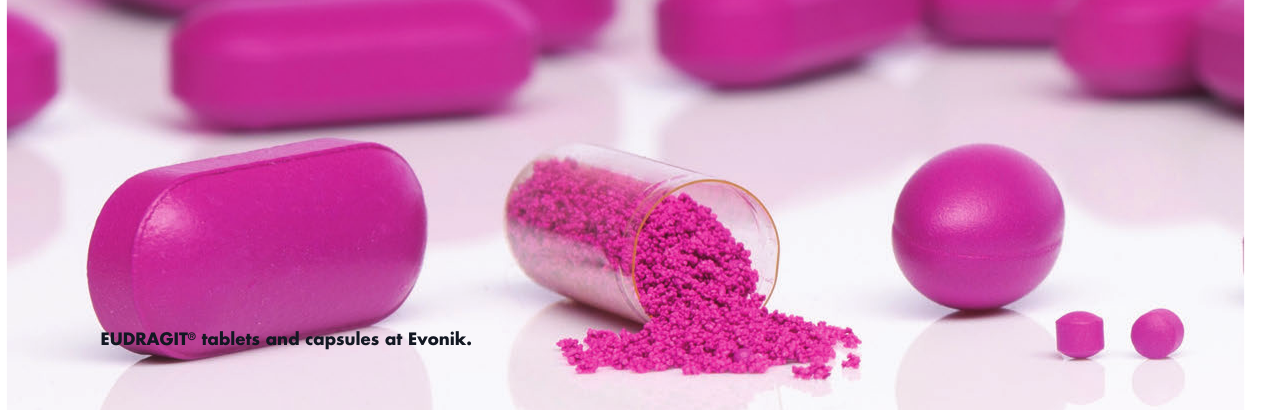
EUDRAGIT® polymers are a family of functional polymethacrylates used to enable targeted drug delivery, bioavailability enhancement, taste masking, and modified-release formulations. Their versatility allows formulators to tailor drug release to specific therapeutic and patient needs, explains Dr. Jessica Mueller-Albers, Strategic Marketing Director Oral Drug Delivery Solutions, Evonik.
“Most of the advanced functionality required by modern formulations is delivered by organic excipients,” she says. “Polymers such as polymethacrylates, cellulosics, polyvinylpyrrolidones, and lipid-based materials play central roles in technologies including amorphous solid dispersions, modified-release systems, taste masking, enteric protection, and bioavailability enhancement.”
The growth of poorly soluble compounds and oral biologics is expected to further increase the need for multifunctional excipients capable of addressing multiple formulation challenges simultaneously. Organic polymers are uniquely positioned because their chemistry can be tailored to provide specific release profiles, solubility enhancement, processing properties, and stability benefits. “Lactose has historically maintained a leading position due to its versatility, cost effectiveness, and widespread use in tablets, capsules, and dry powder inhalers,” says Dr. Mueller-Albers. “However, looking ahead, growth opportunities may increasingly favor function-driven excipients rather than being defined by a single material class. Cellulosics will certainly remain important due to their broad applicability in solid dosage forms. However, we also expect continued growth of functional polymers, particularly in areas such as enteric delivery, controlled release, and amorphous solid dispersions. As drug molecules become more challenging, formulators will increasingly select excipients based on performance and risk mitigation rather than solely on traditional usage patterns.”
One recent example involved an amorphous solid dispersion development program for a poorly soluble active ingredient under significant timeline pressure. The pharmaceutical company required a high-performance polymer with very low nitrite content because of the large polymer load in the formulation and an increased sensitivity to nitrosamine-related risks. Evonik assembled an interdisciplinary team of polymer scientists, formulation experts, analytical specialists, regulatory professionals, and application development scientists who worked in parallel with the customer’s development team. Through close collaboration, process optimization, and regulatory support, a suitable EUDRAGIT solution was identified that met both performance and safety requirements.
She says: “The project demonstrated that success in modern formulation development depends not only on the excipient itself, but also on the technical expertise, regulatory understanding, and collaborative approach that accompany it.”
Gattefossé: Lipid-Based Excipients Boost Solubility & Absorption for Liquids & Solids
In 2026, Gattefossé saw two key product approvals that reflect greater trends in the overall pharmaceutical market: VEPPANU® (vepdegestrant), the first FDA-approved PROTAC molecule, and LIPFENDRA® (enlicitide), the first orally administered PCSK9 inhibitor. “Decades of API and formulation optimization were needed to bring these challenging candidates to market, and in the case of enlicitide, customized grades of permeation enhancers were developed to enable an oral tablet formulation,” says Nick DiFranco, Senior Marketing Manager, Pharmaceutical Division, Gattefossé.
The explosion of interest in oral peptide delivery and targeted protein degradation is driving formulators to seek safe, efficient permeation enhancers that go beyond traditional BCS Class II formulation approaches, says Mr. DiFranco. However, formulators must walk a fine line between innovation and risk management to identify excipients that solve their technical challenges without introducing additional safety, toxicity, or regulatory hurdles.
“As a result, many formulators in the oral peptide and PROTAC space are revisiting safe, proven lipid excipients, which serve as both strong solubilizers and absorption enhancers,” he says.
For decades, medium-chain fatty acid esters such as Labrasol® ALF (caprylocaproyl polyoxyl-8 glycerides) have increased drug solubility while enabling safe, reversible tight junction modulation, boosting both transcellular and paracellular permeability. Longer-chain chemistries such as Maisine® CC (Glyceryl monolinoleate) have enabled lymphatic uptake for molecules that suffer from high first-pass metabolism or food effect. While these and many other lipid excipients have global precedence of use and IID-listings, Mr. DiFranco says interest in these chemistry platforms has never been higher.
To meet the needs of their poorly permeable drug candidates, formulators have requested excipients that bring the solubility- and absorption-enhancement of traditional, lipid-based formulations into solid oral dosage forms. They want a toolbox of options that goes beyond SNAC or sodium caprate. Gattefossé has responded to this unmet need by developing a series of solid surfactant chemistries based on proven excipients in its portfolio. For example, LabraSolid™ (a solid powder form of Labrasol® ALF) and GSolid™ (powdered Gelucire® 50/13 and 48/16) were developed and optimized for tablet compression and capsule filling. These solid solubilizers and permeation enhancers can easily be incorporated into powder blends to introduce critical functionality for challenging peptide and small molecule NCEs.
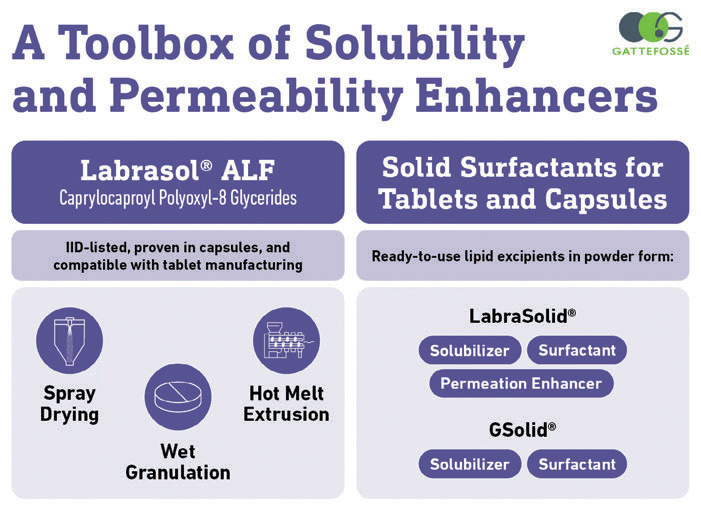
Gattefossé is expanding the formulation toolbox for oral solid dosage forms.
Additionally, the company is investigating the use of lipid excipients in spray drying and hot melt extrusion processes alongside polymers such as HPMC-AS. Through collaborations with amorphous solid dispersion (ASD) experts, including Shin Etsu and GEA, Gattefossé is building a library of lipid-polymer formulation knowledge.
“This experience allows us to provide better processing guidance and recommendations for how to enhance performance of ASD formulations using lipid-based excipients,” says Mr. DiFranco. Data presented at the 2026 CRS Annual Meeting and 2026 DDF Summit in Boston showcased ASD formulations containing Labrasol® ALF and Gelucire® 48/16 produced via spray drying, hot melt extrusion and wet granulation. The studies demonstrated improved processing conditions, higher drug loading, and improved formulation performance relative to binary ASDs, and they provide starting point conditions for innovators who wish to explore lipid-polymer synergies, he says.
“As more peptides and beyond-the-rule-5 compounds enter the pipeline, the need for versatile bioavailability enhancement approaches will only continue to grow,” Mr. DiFranco says. “Lipid-based excipients provide a safe, proven mechanism to boost solubility and absorption across a wide range of liquid and solid dosage forms.”
Lubrizol: Novel Excipients Address Oral & Parenteral Challenges
Selecting the right excipient is key to unlocking the potential of “brick-dust” APIs. Unfortunately, many commonly used excipients were developed decades ago, often for non-pharmaceutical use, and may not be optimal for transforming difficult-to-deliver APIs into effective drugs. As a result, attention is turning toward next-generation polymer excipients specifically designed to overcome complex formulation challenges.
For oral solid dosage forms such as tablets, physical modification techniques can be used to enhance brick-dust API solubility. Amorphous solid dispersion (ASD) can disrupt an API’s crystalline structure, increasing the surface area to enhance the gastrointestinal dissolution rate. Excipient choice is critical for ASD formulation, but commonly used polymers like HPMC can typically only stabilize drug loadings below 40%, which often leads to larger tablet sizes. Bigger tablets can lower patient compliance among seniors and children who struggle to swallow even standard-sized tablets, says Lori Ditty, Global Marketing Manager, Lubrizol.
Apinovex™ pharmaceutical excipient is a novel, high molecular weight linear polyacrylic acid excipient developed by Lubrizol for use with ADSs. “It allows more efficient dosage forms with high, stable drug loading of up to 80% – twice that of other commonly used solubility-enhancing excipients,” she says. “This enables more efficient and patient-centric oral solid therapeutics, including smaller, easier-to-swallow tablets.”
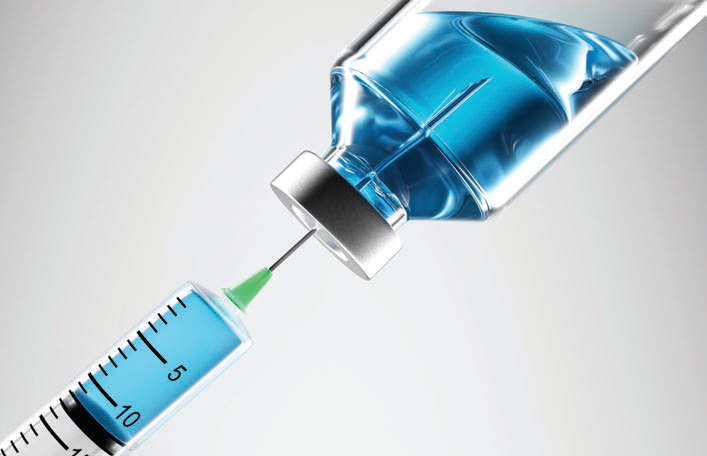
Apisolex™ pharmaceutical excipient for injectable oral dosage forms (Lubrizol).
In parenteral drug development, strict safety requirements and complex chemical challenges associated with excipients for injectable products have made successful commercialization uncommon over the past three decades. Ms. Ditty says many fail to adequately improve API solubility, and some may cause undesirable side effects. For many oncology drugs, the maximum tolerated dose is restricted not just by the API’s toxicity, but also by that of the excipient.
As an alternative, Lubrizol’s Apisolex™ pharmaceutical excipient is a novel polyamino acid-based amphiphilic excipient designed to dissolve and stabilize hydrophobic APIs for intravenous infusion and bolus injection, she explans. “It is based on sarcosine – a non-toxic, non-immunogenic, biocompatible, and biodegradable amino acid – and offers a high level of safety for parenteral use,” she says. “Demonstrated to increase drug solubility by up to 50,000 times, it also achieves drug loadings of up to 40%. This can enable more patient-centric therapeutic regimens with smaller dosages or reduced dosage frequency.” An Apisolex pharmaceutical excipient-enabled drug formulation is currently in Phase 1 clinical trials.
Reference
- Pharmaceutical Excipients Market Size and Future Outlook, Fortune Business Insights, Aug. 24, 2026.
Total Page Views: 16