

Issue:June 2026
SPECIAL REPORT - Advancements in Respiratory Drug Delivery
Key Points
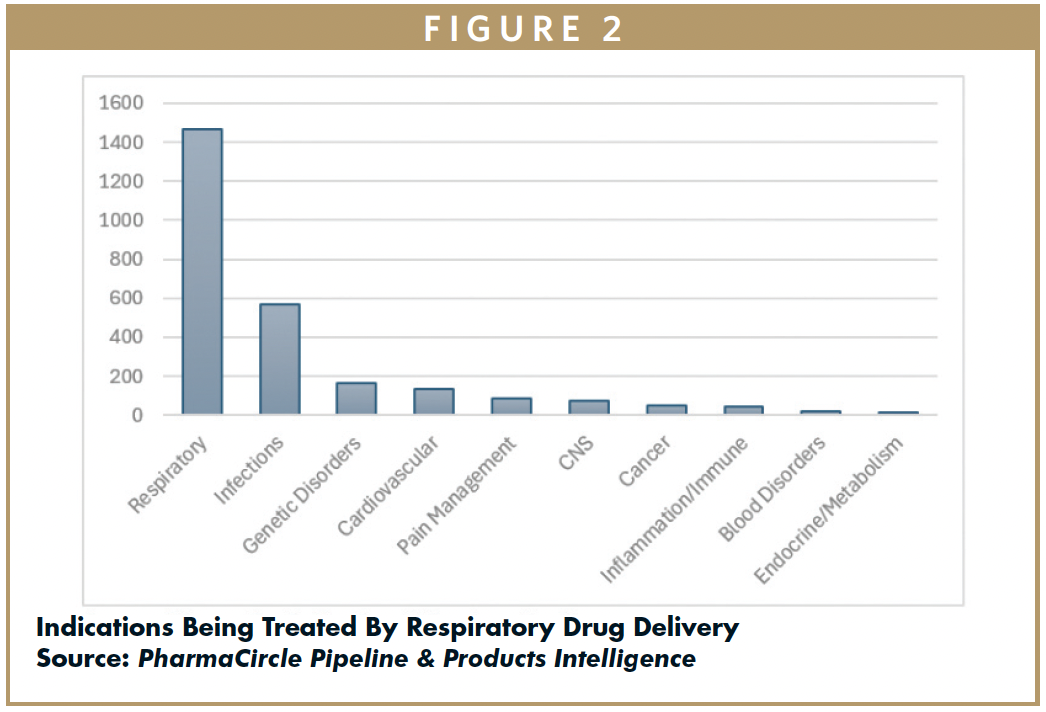
- Chronic respiratory diseases affect more than 35 million Americans, creating urgent demand for more effective inhaled therapies for asthma, COPD, RSV, flu, COVID-19, and other lung conditions.
- Innovations in nanoparticles, lipid carriers, mRNA delivery, soft mist inhalers, mesh nebulizers, and high-payload dry powder inhalers are helping improve targeting, stability, and patient usability.
- Smart inhalation devices, model-informed drug development, and responsive materials are expected to help personalize treatment, improve adherence, reduce waste, and accelerate development of next-generation respiratory therapies.
By: Kurt R. Sedo, Executive Editor, and Cindy H. Dubin, Senior Editor, PharmaCircle
Updated from article originally published in PharmaCircle Weekly Intelligence newsletter
INTRODUCTION
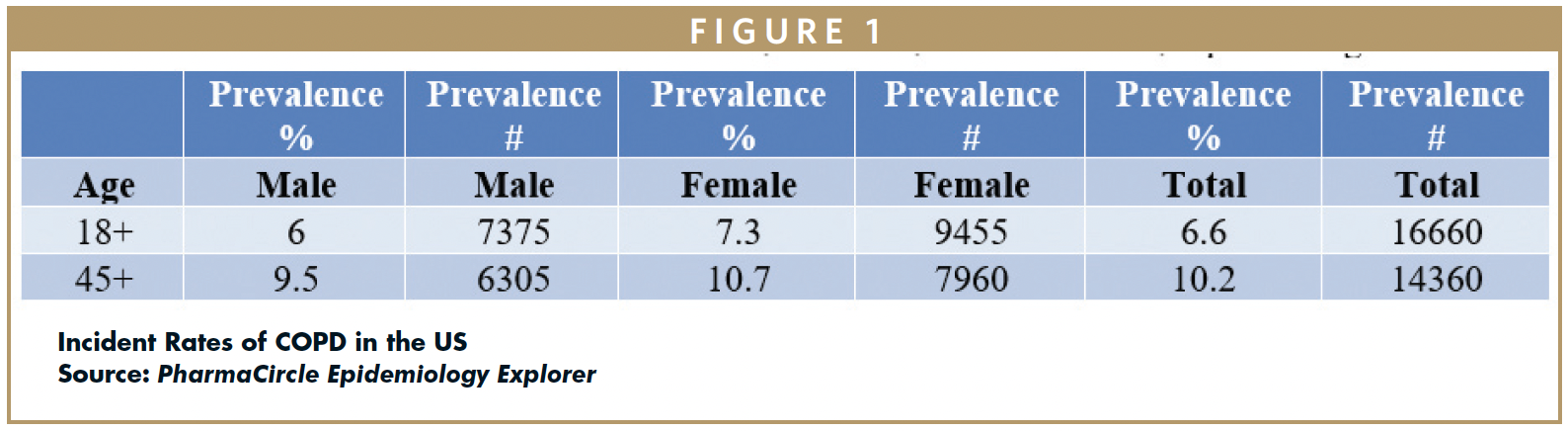
As of May 2026, chronic respiratory diseases affect more than 35 million Americans. Key, high-prevalence conditions include asthma, impacting 25 million people, and chronic obstructive pulmonary disease (COPD), affecting over 16 million. While acute respiratory virus (RSV, COVID-19, flu) levels are low as of May 8, 2026, the 2025–2026 season saw significant, high-level hospitalizations peaking in early January 2026.
Dan Morland, Head of Business Development at Nanopharm, an Aptar Company, says that some device and formulation innovations include: nebulizers with guided inhalation and haptic feedback to optimize breathing patterns and ensure precise deposition, and tunable frequencies and pore sizes to adapt to the needs of the biologics; Dry Powder Inhalers (DPIs) with the capacity for higher payloads for improved stability and room-temperature storage of biologics that may not be stable at high concentrations in solutions; and nanoparticles and lipid carriers to enhance epithelial transport and protect biologics, coupled with dry powder particle engineering technologies for the formulation approach to protect the biologic during storage and delivery via aerosolization.
BARRIERS TO DELIVERING BIOLOGICS TO THE LUNGS
Despite these advancements, targeted drug delivery remains challenging. “From vaccinations to gene therapies, delivering biologics to the lungs offers significant therapeutic potential,” a spokesperson from Bespak says. “However, due to the large, fragile, and often costly nature of these molecules, their delivery presents unique challenges.”
There are indeed product development (formulation, device) and physiological barriers, adds Morland. Regarding the former, the lung’s highly branched structure makes it difficult to ensure uniform and deeper lung deposition. “Particle size is critical, and many traditional approaches to particle size control for inhaled drug products may be too aggressive for sensitive biologics molecules (micronization, spray drying),” he says.
In addition, biologics are large, fragile molecules prone to aggregation or denaturation during aerosolization and nebulization, so the devices used to deliver the drugs may also damage the integrity and bioactivity of the biologics. Therefore, he says, formulation development and device selection will be critical, and there will be fewer viable options.
In terms of physiological barriers, the mucus layer and mucociliary clearance rapidly remove foreign particles, while proteases and peptidases degrade biologics, potentially damaging or destroying the biologics before they have their therapeutic effect. “Overcoming this through structural alterations may then have the opposite effect, i.e. molecules stay around for too long leading to toxicity risks,” says Morland. “Macrophage uptake and pulmonary surfactant interactions can alter drug stability and absorption, and the higher loads required for biologic activity may induce immune responses as a consequence of foreign material in the lungs, that might lead to safety concerns.”
NANOPARTICLES ENSURE PRECISION TARGETING
One concern with biomolecules is the complexity in their structures, target engagement, as well as therapeutic and elimination pathways. They encompass a range of new therapeutic modalities: from engineered proteins and peptides, such as biospecific antibodies and peptidomimetics, oligonucleotides, viral vectors for gene therapy, RNA-based therapeutics, cell-based therapies such as exosomes, and other novel vaccines and immunotherapeutic approaches.
“Their precision targeting (including intracellular targets), personalization and long-lasting effects will transform how diseases are treated including the posology of dosing,” Geraldine Venthoye, PhD, Chief Scientific Officer, Phillips Medisize, explains. “Products will become significantly less frequently dosed (from daily to monthly or even yearly dosing), which obviously will impact device and drug product presentation design.”
Owen S. Fenton, PhD, who received the 2025 American Association of Pharmaceutical Scientists Emerging Leader Award for his work with nanoparticles, says that there are efforts in the mRNA medicine community to deliver mRNA to specific organs throughout the body, such as the lungs. mRNAs can be easily programmed to address a wide range of diseases – from infections and metabolic disorders to genetic conditions, including those originating in the lungs. Many mRNA therapeutics function in the liver, which limits their utility for non-liver diseases. Building on this challenge, Dr. Fenton and his team developed a nanoparticle platform capable of delivering mRNA specifically to the lungs. The mechanism and efficacy of the platform have been studied under both low and normal oxygen conditions and is now being applied to treat several diseases that originate in the lungs.
mRNA is also playing a role in delivering antimicrobial peptides for resistant lung infection. An advanced platform utilizing lipid nanoparticles with anti-inflammatory properties transports mRNA constructs encoding the peptibodies into lung cells. By encoding the peptibody sequences as mRNA, researchers enable the patient’s own lung cells to produce these antimicrobial agents internally. This cell-mediated production circumvents issues of protein stability and systemic degradation and aligns delivery with endogenous cellular machinery, facilitating more controlled and sustained therapeutic levels (Bioengineer.org).
Another innovative approach highlights the potential use of zinc oxide and berberine nanoparticles in addressing acute respiratory distress syndrome (ARDS). A study conducted by El-Salakawy et. al. explored a novel therapeutic approach, focusing on the application of nanotechnology to combat the severe inflammatory condition. The study emphasizes the unique properties of zinc oxide and berberine when combined at a nanoscale level. Zinc oxide is known for its anti-inflammatory and antimicrobial characteristics, while berberine — a compound derived from plants — has demonstrated antioxidant and anti-inflammatory effects in previous research. By integrating these two substances into nanoparticles researchers aim to enhance their bioavailability and targeted delivery within the body. This approach seeks to mitigate lung inflammation more effectively while minimizing systemic side effects commonly associated with conventional treatments for ARDS. Further investigation is required to validate these findings and assess their clinical applicability (Gene Online).
INHALANT DELIVERY GOES BEYOND PARTICLE SIZE
Inhalation therapy remains the cornerstone of respiratory disease treatment, especially for obstructive pathologies as aerosolized particles under 5um reach the respiratory tract’s terminal areas, ensuring targeted local effects with some systemic absorption (Science Direct). However, inhalation drug delivery is risky and expensive business as it combines a complex dosage form with a combination drug-device product development, says Dr. Venthoye.
“Success lies in the ability to manage risk, cost, and development timeline; understanding these new modalities, which may previously have been considered “undruggable,” and combining the most appropriate formulation and device approach early enough in the development cycle to develop a product, which is highly valued by the patient, healthcare provider and payor,” she says.
The Bespak spokesperson adds: “Many conventional aerosolization methods generate high shear forces that can lead to drug aggregation or reduced biological activity. On top of this, biologics require a sterile environment throughout their manufacture and use, and cannot tolerate the preservatives, additives or even propellants used in more traditional inhaler types.”
Soft mist inhalers (SMIs) are designed to address many of these challenges. SMIs do not use propellants and instead generate a slow-moving aerosol cloud, enabling inhalation over several seconds of spray duration. “Not only does this support patient usability and consistent dosing of expensive therapies, the low shear forces and spray velocity have been demonstrated to protect fragile molecules,” says the Bespak spokesperson.
Drug targeting requirements for inhaled biologics will not be just in terms of appropriate aerosol particle size for lung or nose delivery, but beyond deposition site, especially if the target is systemic or intracellular. Intracellular targeting may require targeting the cell’s cytoplasm or nucleus, releasing the encapsulated genetic bioactive drug for transfection and therapeutic gene expression. Venthoye says: “Understanding this and enabling this precision in delivery is becoming essential for formulators working hand in hand with device developers.”
She says there will be an emergence of new delivery devices – gentler in delivery of these labile molecules, efficient and less wasteful, with greater compatibility and delivery of higher payloads. Mesh nebulizers are already available as well as breath-actuated versions, such as the Phillips Medisize FOX™ Vibrating Mesh Nebulizer device, which ensure none of the “precious drug” is lost during a patient’s exhalation cycle. New dry powder inhaler concepts are also emerging for the delivery of the much higher payloads. In fact, a Phillips Medisize O1 high payload device concept was presented for the first time at the 2025 Drug Delivery to the Lungs (DDL) Conference.
“Much is still to be learned, however, about the most appropriate delivery mechanisms for these sensitive molecules as well as their targeting requirements – we expect to see more data presented on this subject next year,” she says.
Another device was introduced late last year. CorriXR Therapeutics, an oncology-focused biotherapeutics company developing a gene editing platform technology; InhaTarget Therapeutics, a company dedicated to the early development and clinical validation of innovative treatments of pulmonary diseases by inhalation; and Merxin Ltd., an inhaler device maker, have entered a strategic collaboration to develop an inhaled genetic therapy targeting lung cancer. The partnership draws upon CorriXR’s CRISPR-based gene editing platform targeting NRF2, InhaTarget’s proprietary formulation platform; and Merxin Ltd’s inhalation device technology. Together, they will focus on treating squamous cell lung carcinoma (LUSC), which comprises 25 – 30% of worldwide cases, according to CorriXR.
Additionally, Amneal Pharmaceuticals, Inc. received FDA approval in 2025 for its albuterol sulfate inhalation aerosol (90mcg per actuation). The product is the generic equivalent of PROAIR® HFA (albuterol sulfate inhalation aerosol), a registered trademark of Teva Respiratory LLC. This approval follows the company’s FDA approval of its beclomethasone dipropionate inhalation aerosol, a generic equivalent of QVAR® (beclomethasone dipropionate inhalation aerosol), advancing Amneal’s entry into inhaled and respiratory drug delivery.
December 2025 continued to be a busy month for respiratory drug delivery. Savara Inc., a clinical-stage biopharma focused on rare respiratory diseases, announced that the European Patent Office issued a patent for the combination of Savara’s investigational therapy Molbreevi and Pari’s investigation eFlow® Nebulizer System for the treatment of autoimmune PAP, a disease where lung alveoli become filled with surfactant. Molbreevi, delivered via eFlow®, was granted Fast Track and Breakthrough Therapy Designations by the FDA, Orphan Drug Designation by the FDA and by the European Medicines Agency (EMA), and Innovation Passport (IP) and Promising Innovative Medicine (PIM) designations by the UK’s Medicines and Healthcare Products Regulatory Agency (MHRA). The plan is for eFlow® to be commercially marketed for use with Molbreevi under the name Vespera® Nebulizer System (Savara).
Startup Métopi, a company focused on making lifesaving medication easier and faster to access, has developed an inhaled drug delivery platform that turns a rescue inhaler into a compact wearable device.
“In general, greater engagement with the molecule originators, biotech or pharma companies on CMC development, platform devices, and enabling formulation approaches – at the early stages of development – will result in driving innovation and ultimately choosing the right device and formulation combination approach,” says Dr. Venthoye. “Despite the cost and complexity of these products, inhaled biologics represent high commercial value and will bring valued products to patients.”
MABS SHOW PROMISING COPD STUDY RESULTS
Also bringing value to patients are injectable monoclonal antibodies meant to treat respiratory illness. For example, AstraZeneca just released positive high-level results from Phase III OBERON and TITANIA trials in patients with chronic obstructive pulmonary disease (COPD). Results showed that tozorakimab reduced the annualized rate of moderate-to-severe COPD exacerbations, compared with placebo, in the primary population of former smokers. Tozorakimab is a potential first-in-class monoclonal antibody targeting interleukin-33 (IL-33) that uniquely inhibits the signaling of the reduced and oxidized forms of IL-33, offering the potential to both reduce inflammation and disrupt the cycle of mucus dysfunction that contribute to COPD worsening, according to an AstraZeneca press release.
Sharon Barr, Executive Vice President, BioPharmaceuticals R&D, AstraZeneca, says in a printed statement: “Today’s tozorakimab results deliver the first two confirmatory Phase III trials for an IL-33 biologic, which is a major scientific advancement in COPD, the world’s third leading cause of death. Tozorakimab works in a fundamentally different way from other biologics, inhibiting the signalling of the reduced and oxidized forms of IL-33 to both decrease inflammation and disrupt the cycle of mucus dysfunction that are key disease drivers in COPD.”
Another mAb from Sanofi and Regeneron Pharmaceuticals is Dupixent (dupilumab), which is now reaching 1.4 million patients – a number is likely to grow as the FDA just approved the subcutaneous injectable monoclonal antibody for treating children (aged 2 to 11 years) with chronic spontaneous urticaria (CSU). This expands the previous approval for adults and adolescents ages 12 years and older with CSU who remain symptomatic despite histamine-1 antihistamine treatment. The fully human monoclonal antibody is administered as a subcutaneous injection. The drug is primarily used for moderate-to-severe eczema, asthma, chronic rhinosinusitis with nasal polyps, prurigo nodularis, certain types of COPD, and eosinophilic esophagitis.
AN EXCITING FUTURE FOR RESPIRATORY DRUG DELIVERY
Morland says he is excited about advancements in respiratory drug delivery and the value they can bring to patients. These include:
Smart Inhalation Devices: digitally enabled inhalers and nebulizers with feedback systems for personalized dosing and improved adherence.
Responsive Materials and Targeted Delivery: formulations that respond to pH, enzymes, or oxidative stress in the lung microenvironment for controlled release.
In-Silico Modeling of Drug Delivery, Deposition and Bioavailability (Model-Informed Drug Development): computational simulations using patient-specific breathing data and lung physiology to predict drug deposition and dissolution, and ultimately optimize device/formulation design.
“Being able to perform modelling with disease/patient specific models allows drugs and products to be designed specifically with the patient in mind, e.g. mucus layer thickness, lung capacity, breathing capacity, etc.,” says Morland.
He adds that this enables model-informed drug development (MIDD) to accelerate and de-risk product and clinical development. Already commonplace for other dosage forms, MIDD is now becoming possible for inhalation due to advances in the technologies and more realistic analytical methods to provide clinically relevant inputs into modelling.
“As the pipeline of respiratory biologics continues to expand, it is becoming increasingly vital that delivery platforms and administration routes are efficient, sustainable and easy to use,” says the spokesperson from Bespak.
ABOUT PHARMACIRCLE
PharmaCircle is a thought leader in drug delivery and formulation development, publishing the PharmaCircle Weekly Intelligence newsletter, which has a worldwide readership, and in-depth reports in all areas of drug delivery, including new and novel technologies and devices. PharmaCircle is a leading information provider to the pharmaceutical and medical device industries, providing business prospecting and analysis tools, pipeline and products intelligence, regulatory data, and other information solutions to our clients. PharmaCircle’s Premium database service delivers a comprehensive view into drug, biologics and combination product development and innovation, combining scientific, clinical, safety, regulatory, supply chain, and commercial data and insights into one solution. PharmaCircle recently launched MedTech Explorer, a hand-curated database that assembles the latest intelligence on medical devices, diagnostic tests and drug delivery device technologies in development and on the market. For more information about the content of this analysis, contact PharmaCircle’s Editorial Department at mailto: editorial@pharmacircle.com. For more information about PharmaCircle and our subscription database services, contact mailto: info@pharmacircle.com or visit our websites – http://www.pharmacircle.com and http://www.medtechexplorer.com.
Total Page Views: 1681