

Issue:May 2026
EXCIPIENTS - Strategic Excipient Sourcing: Navigating Supply Chain Resilience, Quality & Sustainability by Design
Key Points
- The pharmaceutical landscape is currently undergoing a period of profound transformation, driven by the advent of highly complex, incredibly targeted, and often poorly soluble active pharmaceutical ingredients (APIs). As new drug modalities such as proteolysis targeting chimeras (PROTACs) drive a “golden age” of small molecule innovation, and the explosion of GLP-1 agonists leads to a renewed, intense interest in oral peptide delivery, the formulation challenges facing drug developers have never been greater.
THE EVOLVING ROLE OF THE EXCIPIENT PARTNER
The pharmaceutical landscape is currently undergoing a period of profound transformation, driven by the advent of highly complex, incredibly targeted, and often poorly soluble active pharmaceutical ingredients (APIs). As new drug modalities such as proteolysis targeting chimeras (PROTACs) drive a “golden age” of small molecule innovation, and the explosion of GLP-1 agonists leads to a renewed, intense interest in oral peptide delivery, the formulation challenges facing drug developers have never been greater. In this environment, the traditional view of excipients as mere inert fillers or “inactive ingredients” is rapidly becoming obsolete. Today, excipients are foundational components that dictate a drug’s bioavailability, stability, manufacturability, and ultimate clinical success.
However, evaluating an excipient solely on its functional performance within a formulation is no longer sufficient. As the industry faces unprecedented geopolitical shifts, lingering post-pandemic logistical vulnerabilities, tightening regulatory oversight, and urgent sustainability imperatives, pharmaceutical companies must rethink how they source these critical materials. The selection of an excipient supplier is now a strategic decision that touches upon supply chain security, corporate social responsibility, and overall business continuity.
This article explores the critical considerations drug developers must evaluate when selecting an excipient partner today. By examining the necessity of robust global supply chains, the non-negotiable nature of modern quality compliance, the rising importance of “Sustainability by Design,” and the need to support next-generation therapies, we can understand what a true, modern scientific partnership looks like.
MITIGATING RISK THROUGH GLOBAL SUPPLY CHAIN RESILIENCE
For decades, the pharmaceutical industry operated on a highly globalized and often fragmented supply chain model, but recent years have exposed the fragility of this approach. From sudden international shipping bottlenecks to prolonged customs delays and regional manufacturing disruptions, drug manufacturers have learned the hard way that reliance on a single geographic source for critical raw materials introduces significant risk.
Today, supply chain resilience is a paramount sourcing consideration. Innovative contract development and manufacturing organizations (CDMOs) and pharmaceutical companies are actively seeking suppliers who can offer localized supply, manufacturing redundancy, and geographic proximity to major development hubs. Establishing operations closer to development sites reduces supply risk, strengthens operational resilience, and ensures the real-time collaboration required to bring complex therapies from the bench to the patient.
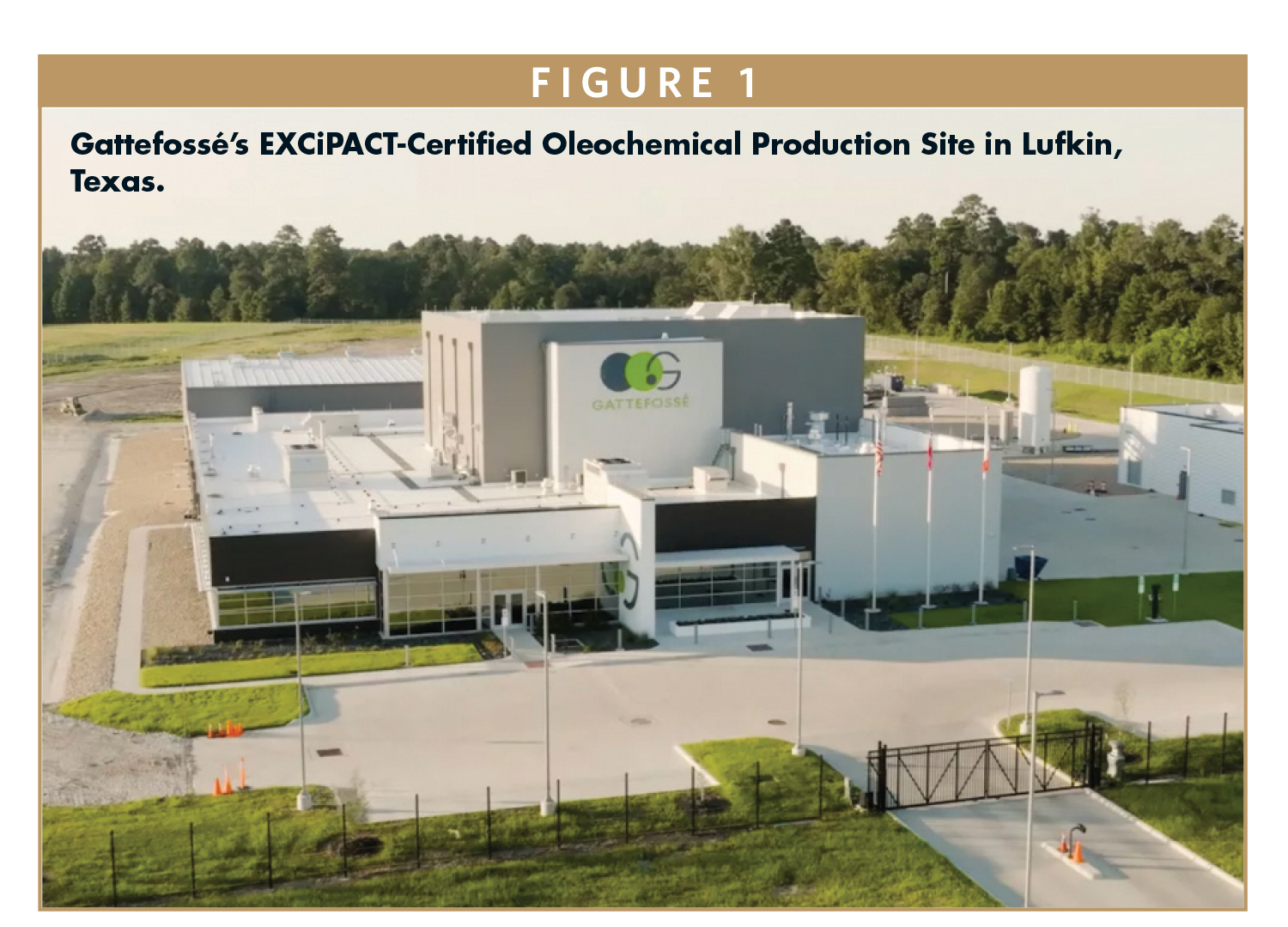 A prime example of this strategic shift is the inauguration of Gattefossé’s 62,000-square-foot oleochemical manufacturing site in Lufkin, Texas (Figure 1). Built on a 15-acre campus with ample room for future expansion, this facility represents a monumental investment in domestic supply chain security for the North American pharmaceutical market. By establishing large-scale, state-of-the-art excipient manufacturing within the United States, Gattefossé can offer its partners reduced lead times, simplified logistics, and faster shipping times. Furthermore, domestic sourcing eliminates international customs uncertainty and delays, providing developers with the highly predictable material flow required for both clinical trials and commercial launch.
Crucially, localized manufacturing must be viewed as part of a broader, redundant global network. By operating manufacturing facilities across the Americas, Europe, and Asia, a supplier can ensure true business continuity. If a disruption occurs in one hemisphere, secondary production capabilities can seamlessly bridge the gap, ensuring that life-saving medicines continue to reach patients without interruption.
QUALITY ASSURANCE & THE SHIFTING REGULATORY LANDSCAPE
In tandem with supply chain reliability, regulatory compliance and uncompromising quality control remain the bedrock of any excipient sourcing strategy. Health authorities worldwide are applying increasing scrutiny to the raw materials used in drug products. For example, in December 2022, the FDA issued its first warning letter to an excipient-only manufacturer for violations that included failures to conform to current good manufacturing practices (cGMP) and failing to meet compendial standards.1 This precedent-setting regulatory action highlights the critical importance of partnering with suppliers who hold themselves to the highest possible quality standards.
When evaluating an excipient partner, developers must look beyond basic certifications and seek out organizations that embrace a culture of continuous quality improvement. Certifications such as EXCiPACT and ISO 9001 are essential benchmarks that provide independent verification of a supplier’s adherence to stringent GMP guidelines. Furthermore, the complexity of scaling-up specialized excipients requires deep process knowledge and exacting controls to ensure batch-to-batch consistency.
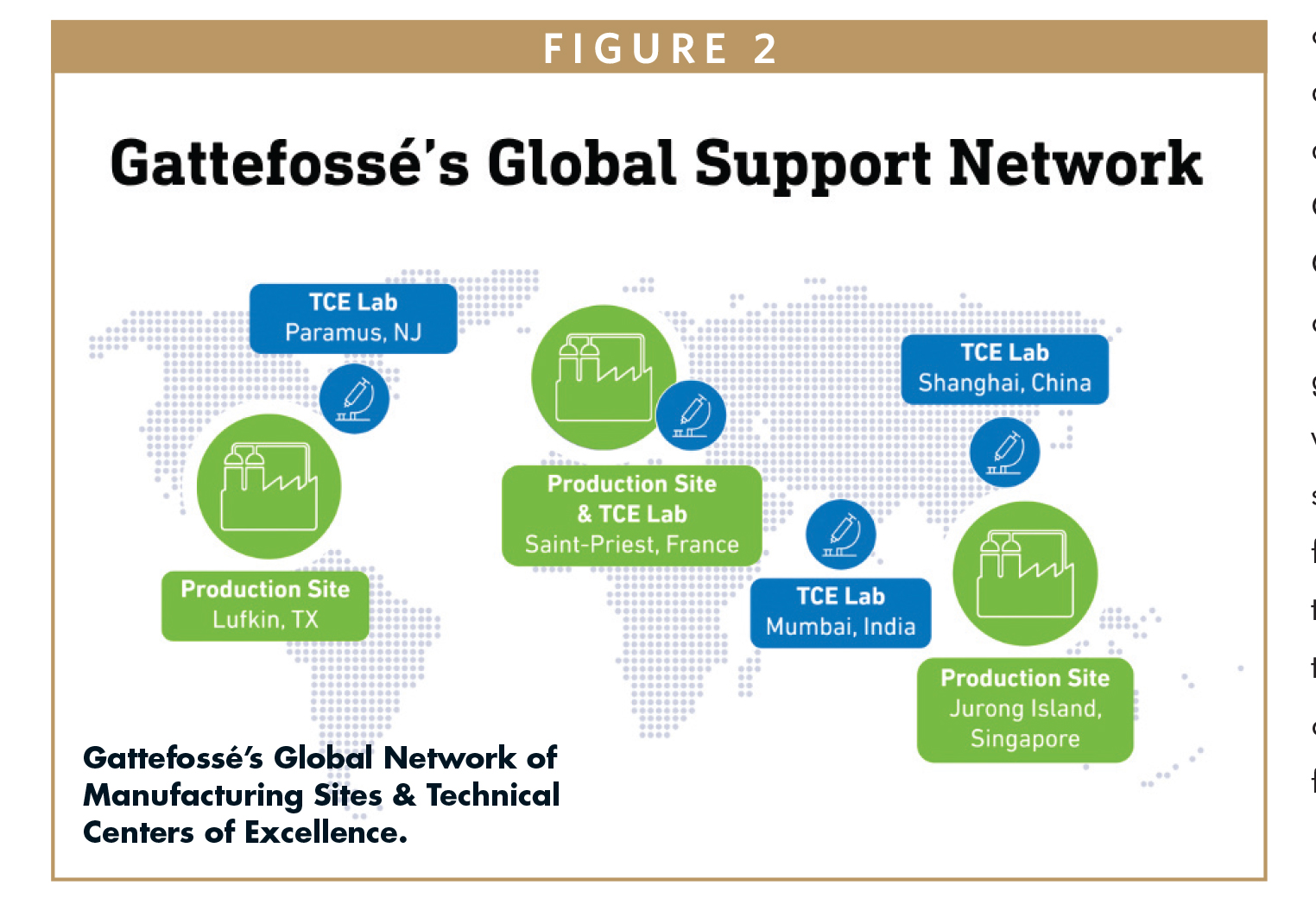 A robust quality ecosystem also relies heavily on responsive, localized analytical testing and technical support. As part of its expansion, Gattefossé has integrated a dedicated, U.S.-based quality control laboratory at its Lufkin plant. This localized analytical expertise, backed by an experienced global support network (Figure 2), streamlines the troubleshooting process, expedites material release, and ultimately translates to a smoother, more predictable customer experience. The quality lab works closely with Gattefossé’s U.S. Technical Center of Excellence in Paramus, New Jersey, which provides hands-on formulation support for early-stage projects, tailored regulatory guidance, and troubleshooting for scale-up activities. Together, these sites provide comprehensive, domestic support to accelerate development timelines and ensure a streamlined path to market.
SUSTAINABILITY BY DESIGN: THE ROLE OF RESPONSIBLE EXCIPIENT SELECTION
Perhaps the most significant evolution in excipient sourcing over the past five years is the rapid elevation of environmental sustainability from a corporate “nice-to-have” to a hard, quantifiable sourcing metric. The green transition of the pharmaceutical sector is accelerating, driven by the realities of climate change, evolving societal expectations, and increasingly stringent regulatory requirements.
Historically, the industry’s environmental focus has been heavily concentrated on the production of active pharmaceutical ingredients (APIs). However, other formulation components play a key role in the total environmental footprint of a finished drug product. Excipients represent a significant portion of a pharmaceutical company’s Scope 3 emissions, meaning that an excipient’s carbon footprint, biodegradability, and geographic origin directly influence the environmental performance of the final therapy.
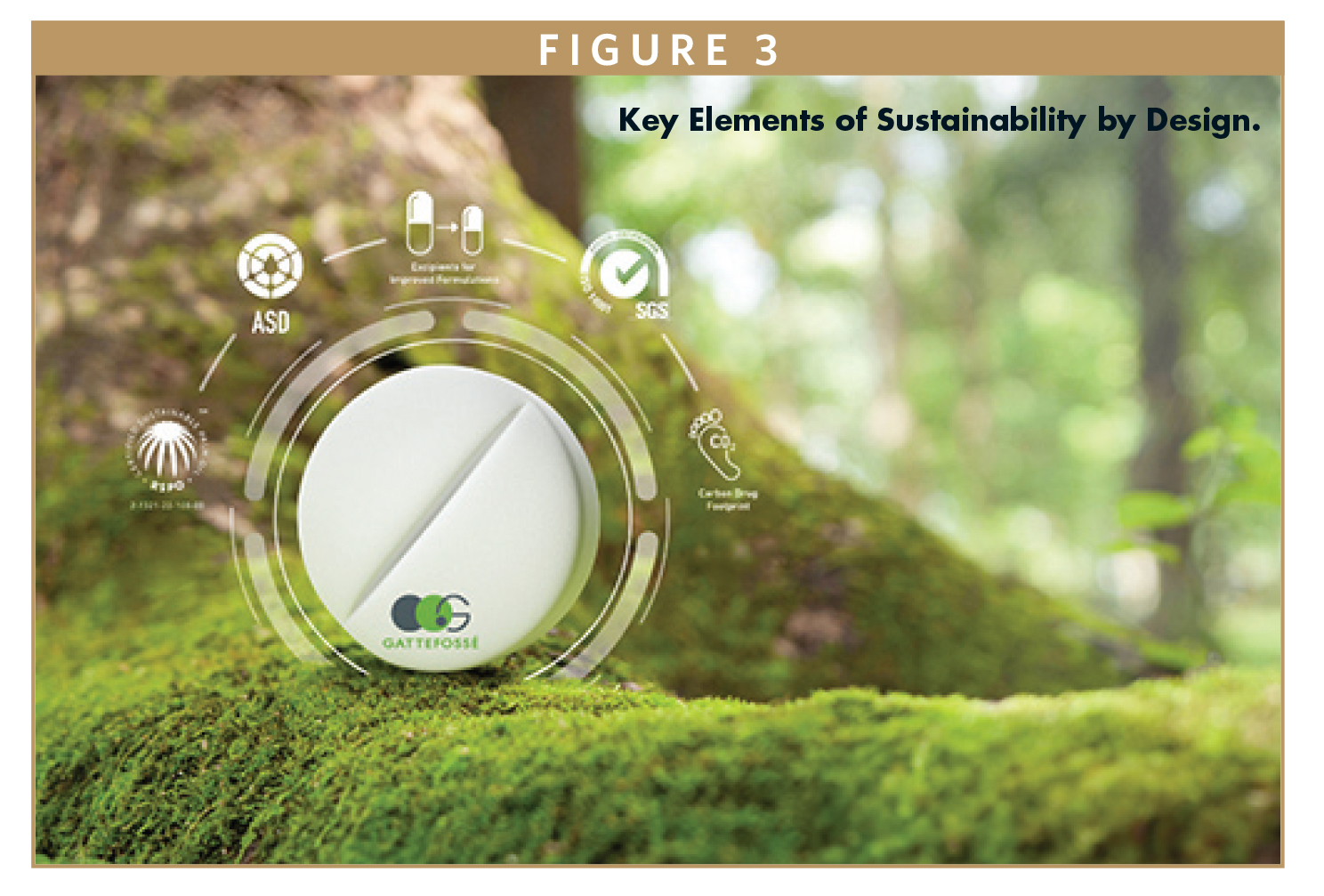 This reality has given rise to the concept of “Sustainability by Design,” a systemic approach that aligns with green chemistry principles, EMA and FDA guidelines, and ISO 14040/44/67 standards (Figure 3). Sustainability by Design requires integrating environmental impact assessments at the very genesis of drug development, rather than attempting to mitigate impacts at the end of the supply chain.
Plant-derived lipid excipients that are sourced from renewable raw materials can offer environmental advantages as they are bio-based and often biodegradable. In contrast to polymeric excipients, which are primarily derived from petrochemical feedstocks, lipid-based excipients may exhibit a lower carbon footprint, as demonstrated by life-cycle assessment studies. However, the true environmental performance of a plant-derived lipid is entirely dependent upon the rigor and ethics of its sourcing, processing, and production.
Pharmaceutical developers must demand rigorous supply chain ethics; for instance, suppliers must guarantee that bio-based raw materials do not contribute to deforestation and ensure absolute respect for the rights of the workers within those industries. Gattefossé ensures this baseline of integrity by maintaining Roundtable on Sustainable Palm Oil (RSPO) certification across its production sites and participating in the international Action for Sustainable Derivatives (ASD) initiative.
Gattefossé uses advanced traceability techniques to track over 98% of its palm-based volumes back to their original mills and plantations.2 Furthermore, a 2024 risk analysis by ASD experts assessed the company’s deforestation and conversion footprint at under 1%, indicating a low deforestation risk for the raw materials used in excipient production.
However, the materials are only part of the sustainability equation. Manufacturing facilities themselves must also operate sustainably. When designing new infrastructure, forward-thinking suppliers are implementing comprehensive energy efficiency systems. Gattefossé’s Lufkin, Texas facility utilizes advanced heat recovery systems integrated into its wastewater treatment processes to cut energy consumption, all while operating as a LEED Silver-certified building. Furthermore, initiatives such as planting hundreds of native trees to restore local biodiversity, using Sustainable Forestry Initiative (SFI) certified cardboard for shipping, and collecting rainwater for irrigation and site plumbing needs demonstrate a holistic, facility-level commitment to the environment.
While the Lufkin facility is an exciting development for Gattefossé, it represents only one step on a company-wide sustainability roadmap that originates at its headquarters in France. In May 2025, Gattefossé SAS achieved an EcoVadis Gold Sustainability Rating, placing the company in the top 5% of evaluated organizations.3 By sourcing from suppliers with evaluated, proven corporate social responsibility (CSR) roadmaps like Gattefossé, drug developers can actively reduce the environmental impacts associated with their own manufacturing and supply chains without sacrificing quality or performance.
ENABLING NEXT-GENERATION THERAPIES
Ultimately, an excipient supplier must provide materials that solve complex scientific problems. As the pharmaceutical pipeline becomes increasingly saturated with highly lipophilic, poorly water-soluble molecules, the functional versatility of the chosen excipients becomes critical. Lipid excipients are uniquely suited to serve these challenging compounds, offering unmatched capabilities in bioavailability enhancement via physiological pathways such as tight junction opening and lymphatic uptake.
Beyond their clinical benefits, lipid excipients offer a profound, often overlooked advantage in sustainable formulation development. Traditional approaches to formulating poorly soluble APIs frequently rely on energy-intensive processing or the extensive use of harsh organic solvents, such as in spray drying or co-precipitation methods. These processes generate waste streams which require complex, carbon-heavy solvent recovery, treatment, and disposal systems.
Conversely, lipid-based formulations empower developers to utilize fundamentally greener, solvent-free manufacturing techniques. The development of self-emulsifying drug delivery systems (SEDDS) relies on simple mixing and homogenization, leveraging the inherent solubilizing power of lipids to eliminate the need for organic solvents entirely. Furthermore, the in vivo benefits of lipids allow formulators to achieve target bioavailability with reduced API usage, reducing the risk of side effects for patients and providing downstream benefits for resource conservation, waste reduction, and even overall cost-of-goods.
New research into the use of lipid excipients alongside traditional polymer systems also holds promise. Recent studies have demonstrated that key functionalities of lipid excipients, such as permeability enhancement and precipitation inhibition, can be incorporated directly into oral solid dosage forms.4 This exciting frontier offers a technical path forward for BCS Class IV compounds and oral peptides while potentially improving sustainability through reduced solvent usage, higher levels of sustainably sourced excipients, and more efficient API utilization.
BRINGING IT TOGETHER: LOCAL SUPPLY WITH GLOBAL SUPPORT
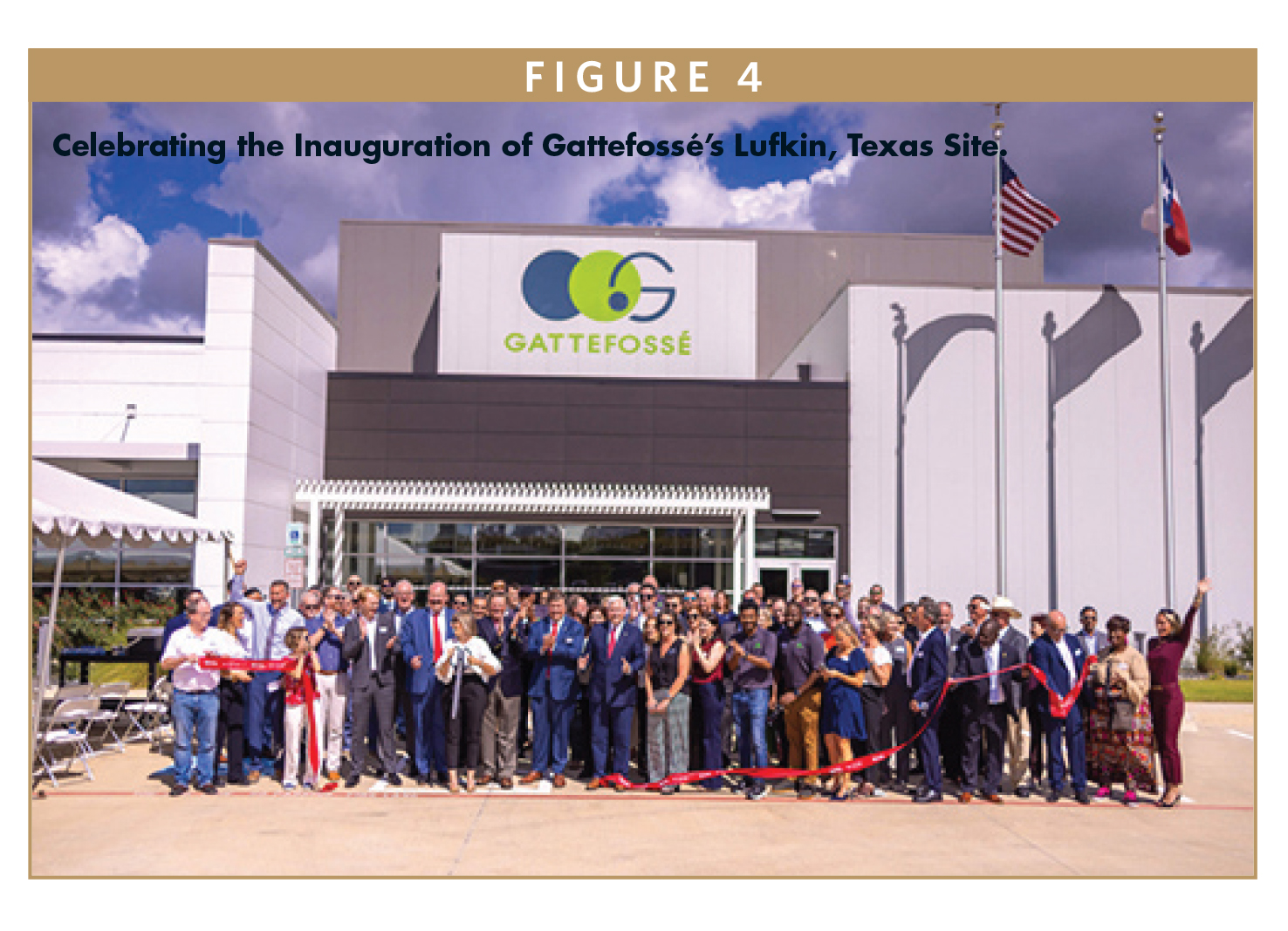 A supplier’s ability to meet the numerous sourcing, quality, regulatory, sustainability, and technical considerations listed in this article is a crucial differentiator. This coordination of efforts was on display during the validation of Peceol™ (Glyceryl monooleate) at Gattefossé’s Lufkin, Texas site (Figure 4).
Achieving this validation within a state-of-the-art, EXCiPACT-certified manufacturing environment ensures consistent, reliable quality while boosting domestic supply chain security. The validation of Peceol™ is backed by a comprehensive technical equivalence file, a detailed asset that ensures consistency throughout Gattefossé’s manufacturing network. By establishing equivalent, fully validated GMP production capacity across the Americas, Europe, and Asia, drug developers gain unprecedented protection against regional disruptions. Local supply supported by global redundancy allows U.S. pharmaceutical companies to essentially dual-source critical raw materials from a single, trusted partner, dramatically reducing logistical risk and expediting commercialization.
Finally, the use of Peceol™ fits within the principles of Sustainability by Design. Derived from sustainably sourced raw materials, lipid excipients like Peceol™ provide powerful solubilization and bioavailability enhancement capabilities that empower formulators to eliminate the use of harsh, carbon-heavy organic solvents during drug development. By combining green, solvent-free formulation technologies with the reduced transportation emissions due to localized supply, the pharmaceutical industry can deliver the next generation of life-saving therapies in a manner that is both clinically superior and environmentally responsible.
SUMMARY: THE TRANSITION TO A TRUE SCIENTIFIC PARTNER
In today’s complex and highly regulated environment, pharmaceutical companies require partners, not just vendors. A true scientific partnership is defined by a supplier’s ability to offer deep, hands-on formulation support, anticipate global supply chain vulnerabilities through proactive domestic capacity investments, uphold the most stringent global quality standards, and embrace the principles of Sustainability by Design.
By establishing new manufacturing hubs, strengthening CSR commitments, and fostering seamless, end-to-end alignment from early-phase evaluation through tech transfer and commercial launch, leading suppliers are contributing to a better future for drug development. As the pharmaceutical industry continues to develop challenging new chemical entities and strives for more patient-friendly medicines, this holistic approach to excipient sourcing will be the bedrock upon which the next generation of life-saving therapies is built.
REFERENCES
- Center for Drug Evaluation and Research. DuPont Nutrition USA Inc. – Warning Letter #627211. (2022).
- Preserving our environment. Gattefossé https://www.gattefosse.com/preserving-our-environment.
- Corporate social responsibility. Gattefossé https://www.gattefosse.com/ innovating-care-and-responsibility.
- DiFranco, N. A. Beyond the Capsule: Unlocking the Full Potential of Lipid Excipients in Oral Solid Dosage Forms. (2026).
Total Page Views: 5320