


Issue:January/February 2026
PREFILLABLE SYRINGE SYSTEM - Beyond Components: Designing Prefillable Syringe Systems to Streamline Success
Key Points
- When your PFS system is designed and owned by the same supplier, you can refer to a single Design & Development File. This approach simplifies the regulatory process, improves submission efficiency, and accelerates global market access.
INTRODUCTION
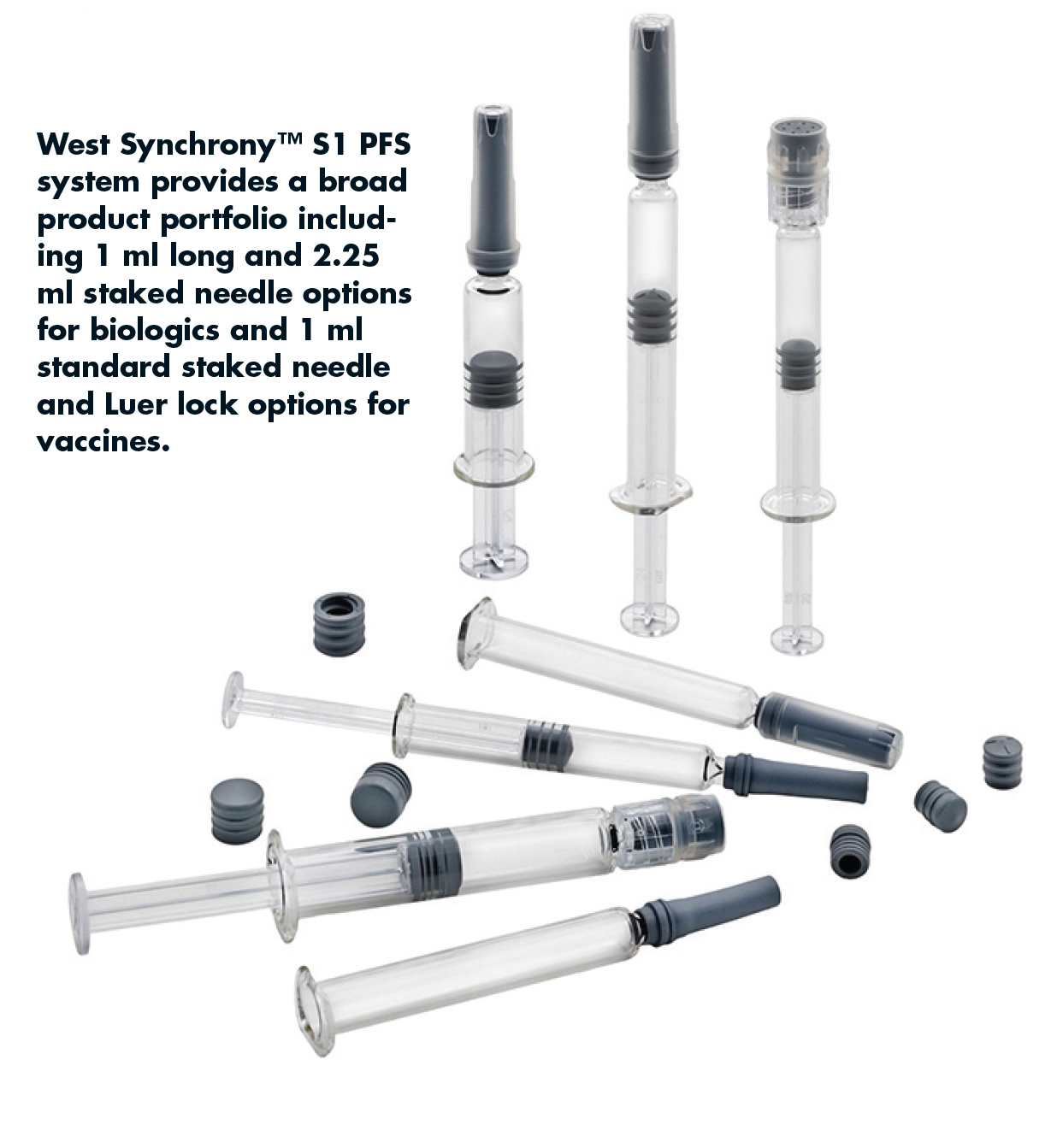
The self-administered biologic market is expected to reach $146.0685 billion by 2034.1 Delivery devices, such as prefilled syringes, autoinjectors, and pen injectors, have been significant catalysts for the expected growth in subcutaneous, self-administered biologics. Notably, prefilled syringes have emerged as a cornerstone technology, with industry reports estimating that more than 60% of biologics are delivered via these devices.2 Additionally, prefilled syringes for vaccine administration will undoubtedly play a vital role in the efficiency and scalability of future immunization campaigns.
And yet, development teams are still taking component-based approaches to building their prefillable syringe (PFS) systems that frankly will not meet the needs of a fast-paced and ever-evolving market. What’s needed is a shake up that can address PFS performance, regulatory, and supply challenges that plague pharmaceutical manufacturers in early phases of development.
YOU CAN’T BUILD A PFS SYSTEM OUT OF COMPONENTS
Typically, pharmaceutical manufacturers must source primary PFS components (syringe barrel, needle shield or tip cap, and syringe plunger) from multiple suppliers. This can result in downstream issues that may not be visible from the component level at the outset, but can show up later as delays, rework, and regulatory inquiries.
Often, companies must spend sacred time and money compiling component-level data sets to generate system-level performance data for their selected device. With multiple component suppliers, procurement teams are left to combat mismatched order quantities and massive lead times to optimize supply for clinical trials and commercial inventory.
When it’s time for regulatory submission, and regulators or notified bodies inevitably come back with questions on how the assembled PFS performs, 3-way CDAs and finger pointing ensues in a fruitless quest for answers.
Sound familiar? You can stop building your PFS from components and instead opt for an integrated, verified prefillable syringe system.
UNLOCK SYSTEM-LEVEL PERFORMANCE DATA
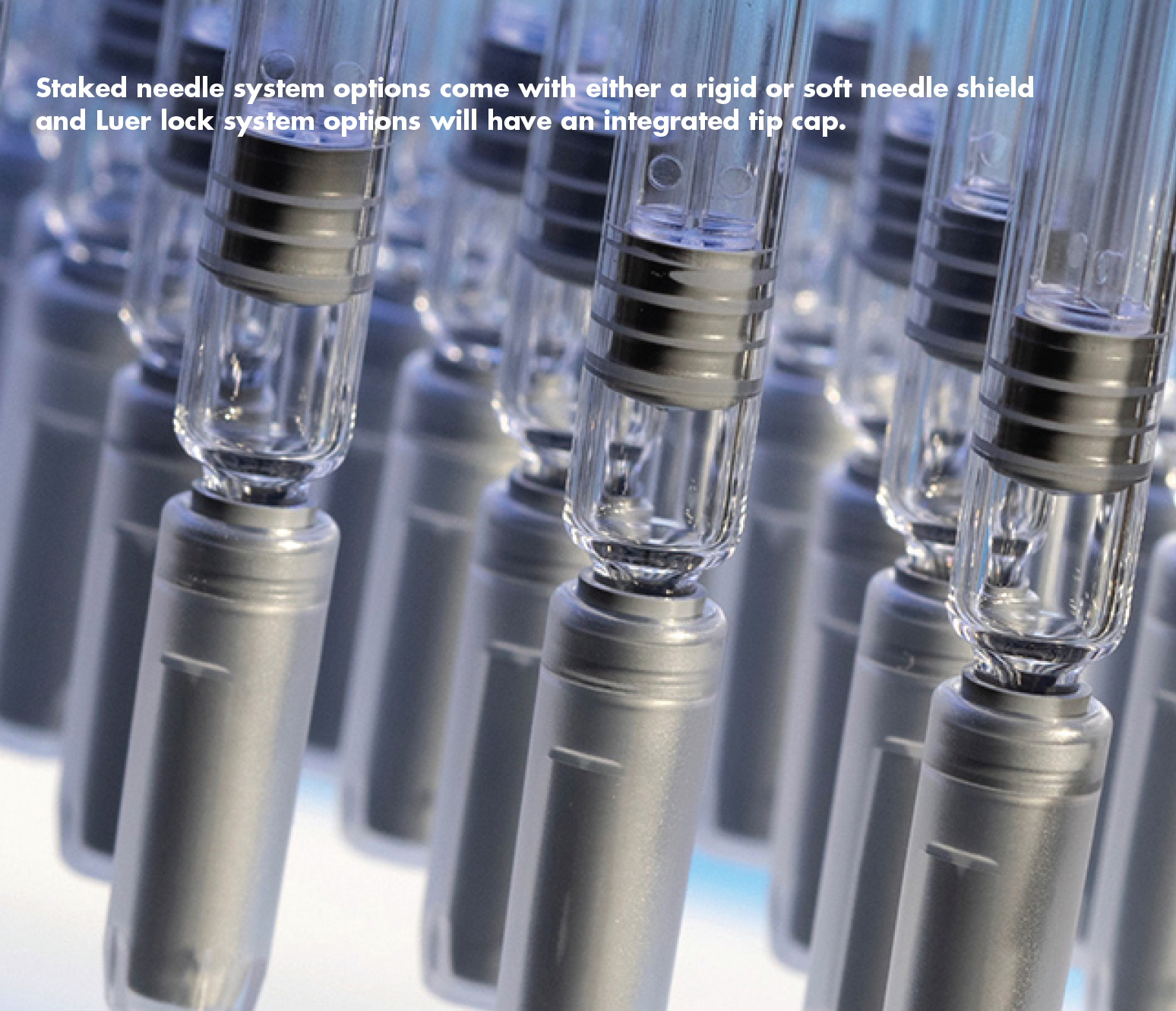
True transparency means having access to consolidated performance data for the entire PFS system, not just individual components from various suppliers. Fragmented data increases complexity, regulatory uncertainty, and risk. West has transformed this landscape with its pre-generated verification data package — uniquely available with the West Synchrony™ S1 prefillable syringe (PFS) system.
Robust, system-level data ensures all necessary testing has been completed for the platform, independent of the molecule. Thus, pharmaceutical companies remain shielded from the pitfalls of fragmented component-level data, which traditionally requires extensive effort to synthesize into a holistic approach.
STREAMLINE REGULATORY SUBMISSIONS WITH ONE ACCOUNTABLE SOURCE
Combination products face intricate regulatory landscapes, especially when navigating global compliance. All too often, companies are underprepared with fragmented data when it comes time for their regulatory submission. They ask multiple component suppliers for documentation, and what they get back is in various formats and different levels of visibility.
When your PFS system is designed and owned by the same supplier, you can refer to a single Design & Development File. This approach simplifies the regulatory process, improves submission efficiency, and accelerates global market access.
As the sole developer and owner of the West Synchrony S1 PFS system, West has created one DMF with the US FDA, Health Canada, and China that encompasses the entire syringe system. Additionally, all necessary data needed for your technical file to be submitted to notified bodies in Europe is readily available in one regulatory package included in the system offering.
SIMPLIFY PFS PROCUREMENT & SUPPLY
Development timelines often suffer due to supplier coordination and variable component availability. Relying on a single, verified PFS system streamlines procurement and supply chain management. With one accountable supplier, you can reduce lead time variability, minimize delays, and enable quicker responses to change, helping you meet critical milestones.
Every lot of the West Synchrony S1 PFS system produced undergoes rigorous system-level batch testing, ensuring that device constituent part integrity and performance are verified before incoming inspections.
BEST PRACTICES FOR PFS SYSTEM STRATEGY
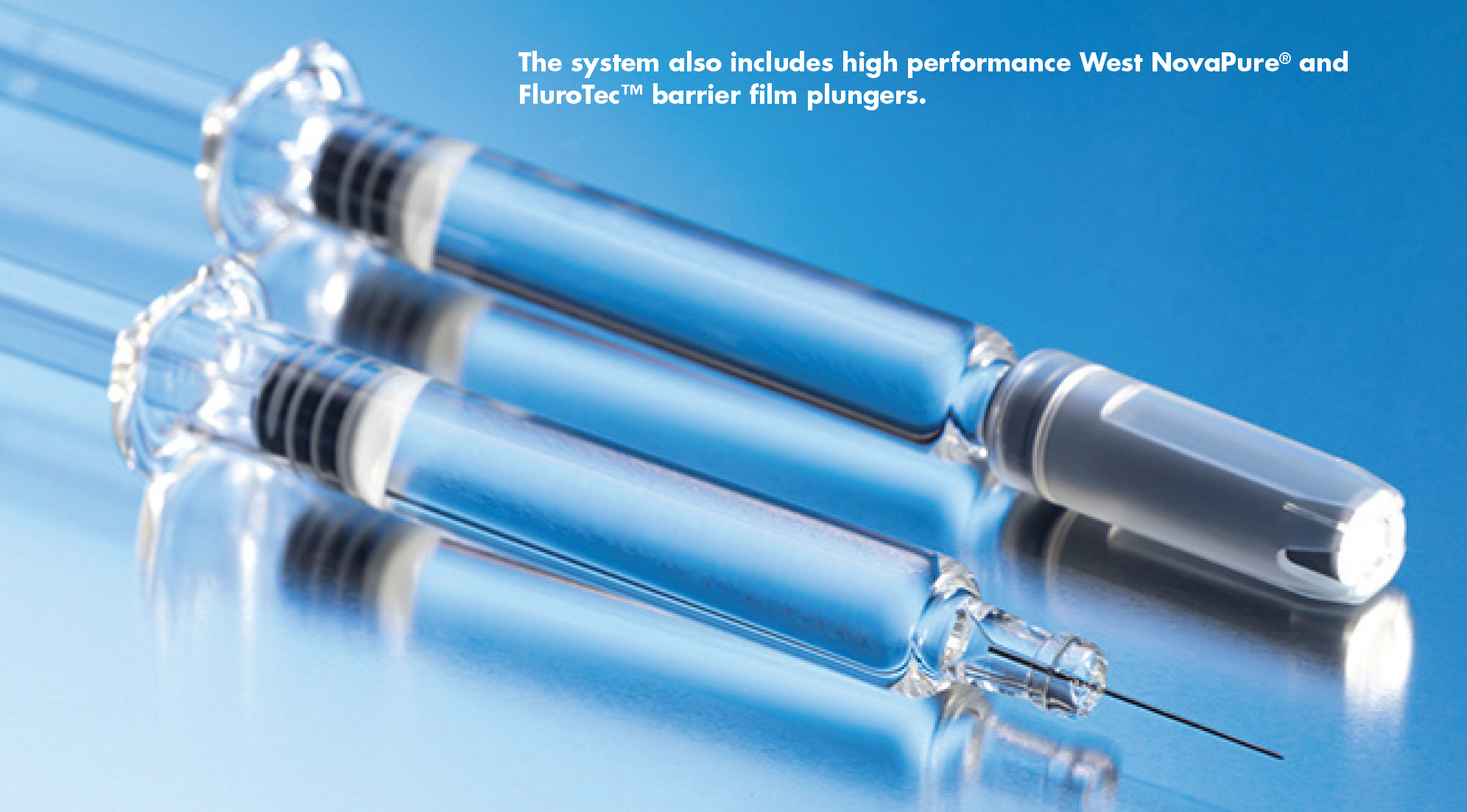
West has been helping pharmaceutical manufacturers bring life-saving therapies to patients for more than 100 years. Best practices have accumulated along the way that have informed the design and development of the West Synchrony S1 PFS system. When scouting PFS options, companies need to consider:
Starting Early: Most R&D groups begin drug trials in vials, understandably, because vials are variable when it comes to injection volume. However, when that drug candidate has proven itself and it’s time to transition into a prefillable syringe, the submission timeline gets tight. Developing a device can take many months up to a few years and should not be started too late in your process. Otherwise, you risk missing important tests and/or not creating the necessary scientific depth of data as required by regulatory agencies.
Having a Proactive Approach to Supply: Tie technical configuration to realistic, phase-appropriate supply frameworks. PFS supply elements, such as lead times, order quantities, and scalability, should align with clinical and commercial plans to ensure cost-efficient, reliable supply.
Embedding the Regulatory Strategy: Treat regulatory documentation as an integral part of the system design, not an afterthought. With system-level regulatory documentation at the ready, you can support timely submissions.
FROM COMPONENTS TO SYSTEMS: A PARADIGM SHIFT
Prefillable syringes for biologics and vaccines can no longer be assembled as a set of parts; they must be treated as engineered systems with data, supply, and regulatory strategies built in from the start.
The West Synchrony S1 PFS system embodies this system-level approach. By choosing an integrated, verified system, emerging biotechnology and pharma teams can align with the best practices outlined in this article and be on their way to their clinical fill faster equipped with system-level performance data for their device constituent part, an embedded regulatory strategy, and simplified supply.
REFERENCES
- Self-administered Biologics Market Size & Forecast 2024-2034
- Prefilled Syringes Market Size, Share & Growth Report 2032

Katie Falcone is the Director, Technical Services, at West Pharmaceutical Services. She is a seasoned professional with more than a decade of experience in the pharma/biotech industry, specializing in parenteral packaging. In her role, she leads technical collaboration by leveraging her expertise to drive customer success, enable data-driven decision making, and deliver innovative drug delivery solutions.
Total Page Views: 4549