

Issue:January/February 2026
PLATFORM TECHNOLOGY - How PolyPid’s PLEX Unlocks the Potential of Local & Prolonged Release
Key Points
- At PolyPid, we believe the future of medicine is not only about what drugs are discovered, but how they are delivered. By anchoring therapeutics at the site of disease and controlling their release over time, we redefine what is possible for patients, clinicians, and healthcare systems.
A GLOBAL HEALTH CRISIS DEMANDS NEW SOLUTIONS
In the current world of surgery, hospitals are grappling with two escalating challenges: surgical site infections (SSIs) and antimicrobial resistance (AMR). According to the U.S. Centers for Disease Control and Prevention (CDC), more than 2.8 million antibiotic-resistant infections occur each year in the United States alone, causing over 35,000 deaths. Globally, SSIs remain among the most common healthcare-associated infections, affecting millions of patients annually by prolonging recovery times, while adding billions in avoidable healthcare costs.
Despite considerable attempts over recent decades, prevention strategies have not fully solved the problem. Intravenous antibiotics administered prior to surgery quickly become ineffective once an incision cuts the blood supply to the operated area, leaving patients vulnerable during the critical healing period. Systemic approaches, which can be effective, may also drive resistance by exposing the entire body to antibiotic pressure. The question facing drug developers and healthcare systems alike is clear – how can we deliver drugs more effectively, sustainably, and precisely?

THE ORIGIN OF PLEX TECHNOLOGY
At PolyPid, we confronted this challenge by rethinking the problem at its core. What if, instead of relying on systemic delivery, we could create a platform that anchors drugs directly at the site of need and controls its release over weeks or months? That vision led to the development of our PLEX (Polymer-Lipid Encapsulation matriX) platform.
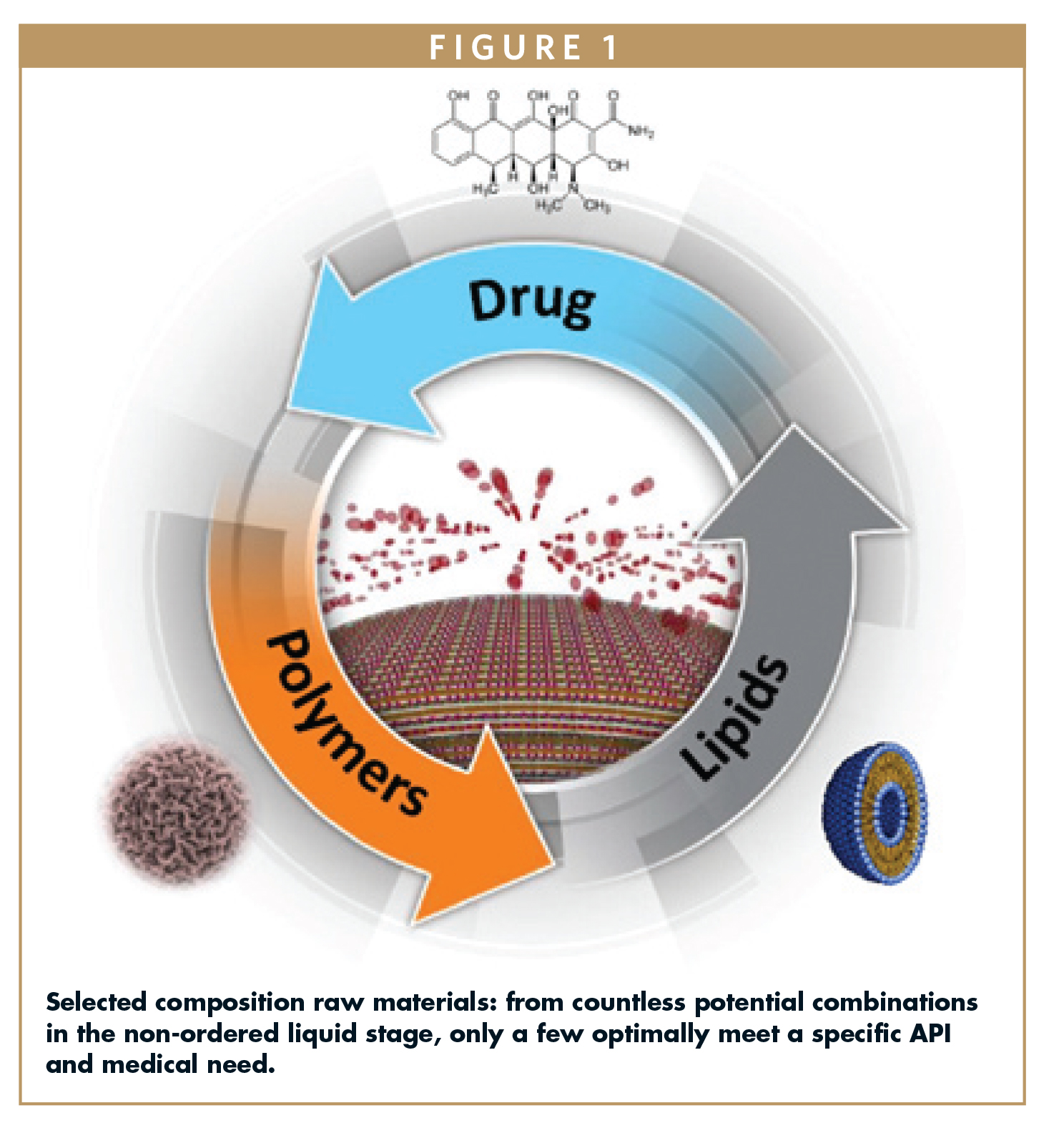
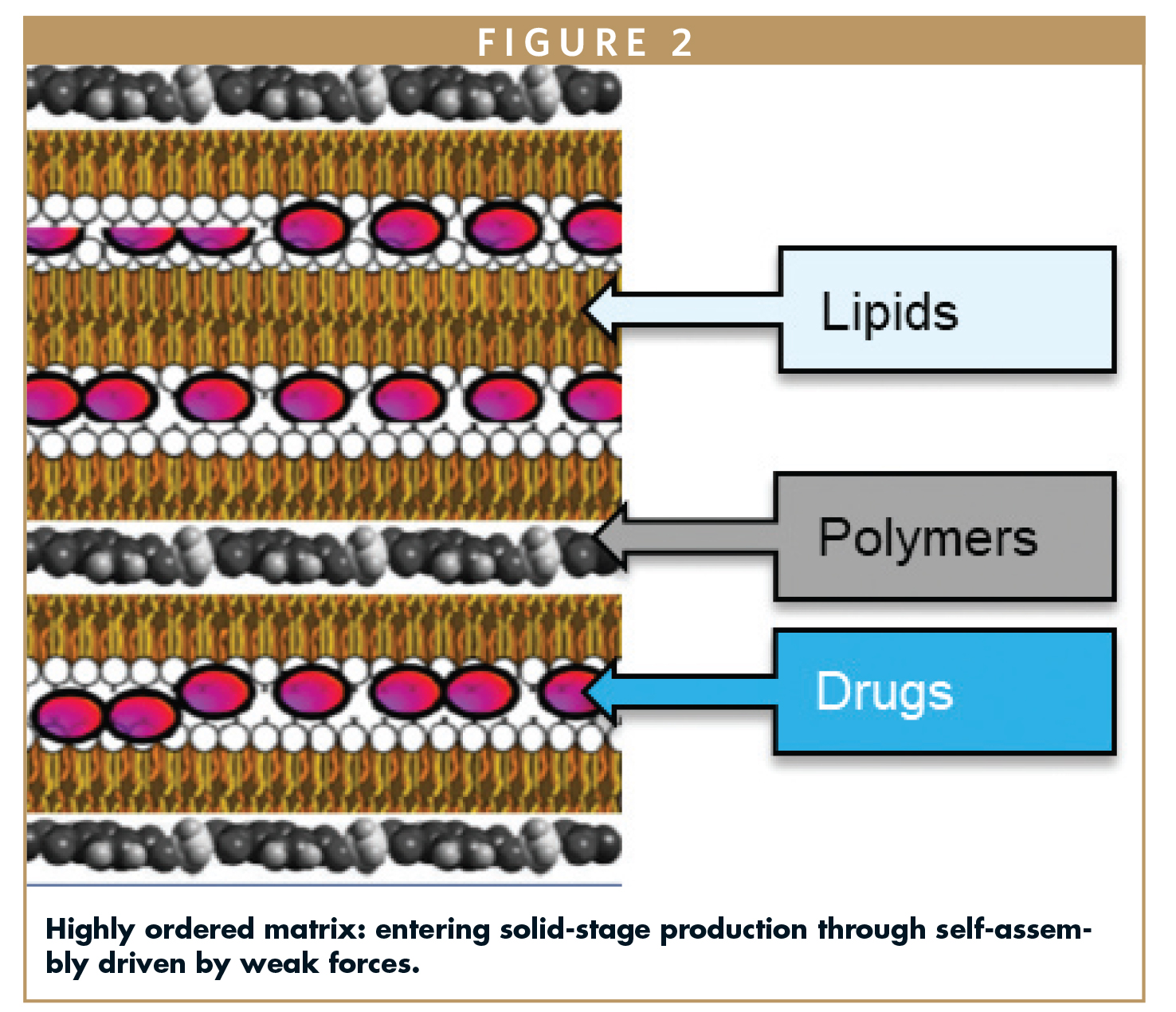
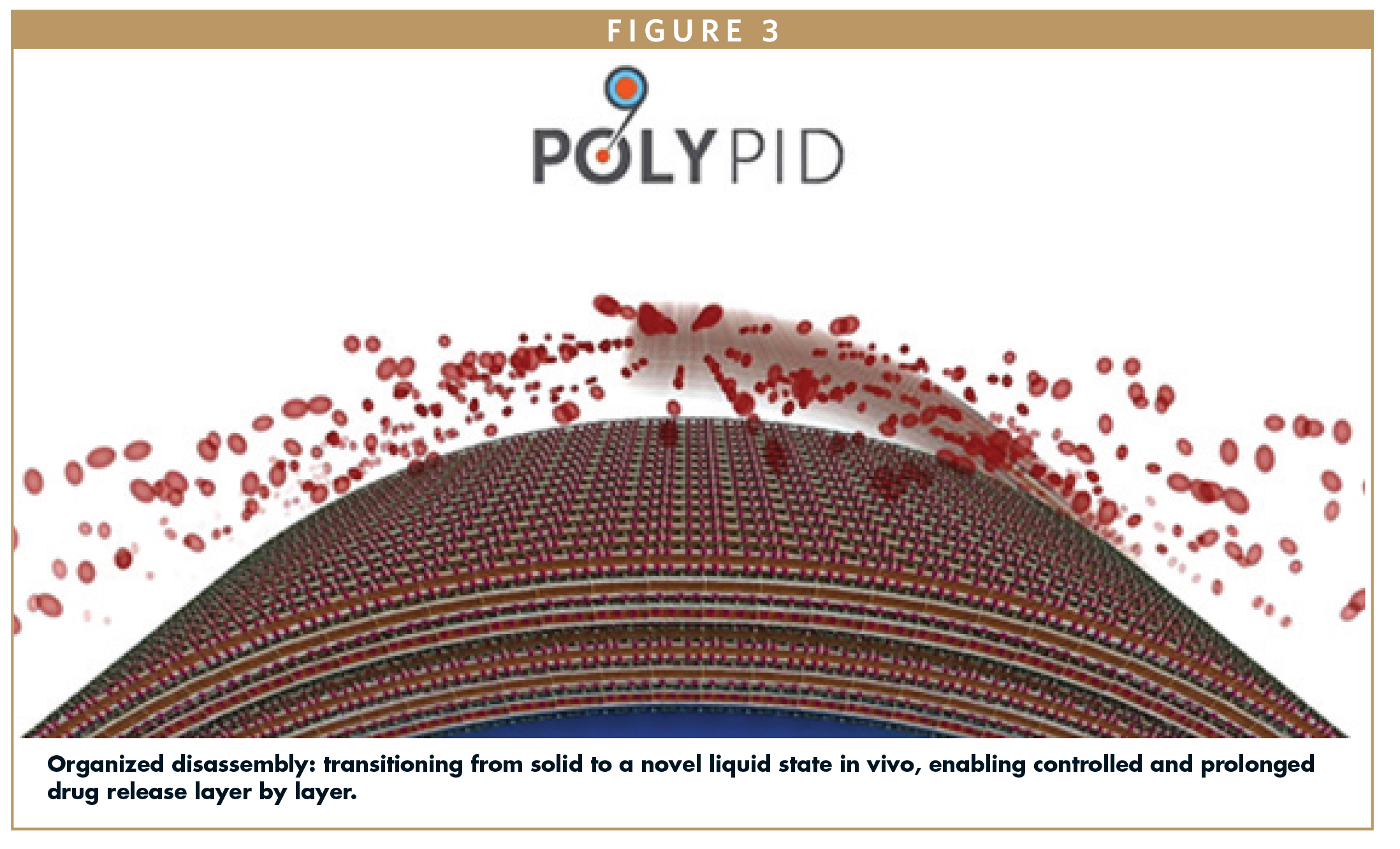
PLEX is a proprietary, biodegradable structure composed of alternating layers of lipids and polymers. These layers self-assemble to encapsulate active pharmaceutical ingredients and release them gradually in a predictable, linear manner. Acting like a protective reservoir, it ensures a consistent delivery of highly concentrated medication exactly where it is needed, and nowhere else.
This may sound simple, but the implications are profound. By localizing drug delivery, PLEX enables higher concentrations at the target site, while lowering systemic exposure to reduce toxicity and resistance risk. It can also protect fragile molecules like peptides and proteins, which would otherwise degrade rapidly, and offers durability with drug release lasting from several days to months, depending on the formulation.
FROM CONCEPT TO CLINIC: D-PLEX100
The first application of PLEX, D-PLEX100, is designed to prevent surgical site infections. These remain a stubborn global problem that complicates recovery, increases costs and, in some cases, can prove fatal. D-PLEX100 incorporates the antibiotic doxycycline into the PLEX matrix, which provides 30 days of constant local protection at the surgical site.
What differentiates D-PLEX100 is its ability to maintain therapeutic concentrations in tissue long after systemic antibiotics have dissipated. It is fully biodegradable, takes minutes to apply, requires minimal training, and integrates seamlessly into existing operating room workflows.
Its potential has been demonstrated in late-stage clinical development. In July 2025, a pivotal Phase 3 SHIELD II trial reported positive topline results, marking a significant milestone for both D-PLEX100 and the broader PLEX platform. The study met its primary endpoint as well as all key secondary endpoints. Importantly, D-PLEX100 has shown close to 60% reduction in SSI (P<0.005) compared to standard of care while reinforcing its favorable safety profile. PolyPid is expected to submit an NDA for D-PLEX100 in the beginning of 2026.
These results validate years of development and demonstrate the potential of a localized, prolonged-release approach to infection prevention. They further illustrate how PLEX can deliver meaningful clinical impact in areas where systemic therapies have long struggled, highlighting both the potential of D-PLEX100 and the platform’s broader value in addressing unmet medical needs.

EXPANDING HORIZONS: BEYOND ANTIBIOTICS
Beyond its effectiveness in fighting SSIs and AMR, PolyPid’s solution is highly versatile and not confined to antibiotics. As a delivery platform, it can be applied to multiple classes of therapeutics that struggle with stability, toxicity, or dosing frequency under traditional systemic administration.
One example is oncology. Cancer therapy often requires a delicate balance between aggressive treatment and risk of systemic toxicity. PolyPid’s intra-tumoral cancer therapy delivery solution is designed to release immuno-oncology agents like STING agonists directly into tumor resection cavities or into tumors themselves. By keeping these potent molecules localized, the delivery platform can prolong intra-tumoral exposure, strengthen anti-tumor activity, and reduce the systemic side effects that often limit treatment intensity.
Preclinical studies of PolyPid’s docetaxel-based oncology program have shown promising results, and the company has completed a successful pre-IND meeting with the FDA as this program advances toward clinical development in glioblastoma multiforme (GBM) and potentially other hard-to-treat cancers. PolyPid also partnered with ImmunoGenesis to evaluate a novel local delivery system for immuno-oncology molecules such as STING agonists, further demonstrating the adaptability of its technology in oncology.
Another promising frontier is metabolic disease and weight management. While GLP-1 receptor agonists have transformed diabetes management and obesity care, they continue to face challenges with adherence. Current GLP-1 therapies require weekly or even daily injections, which can be burdensome for patients. PolyPid’s GLP-1 program leverages the knowledge gathered from its PLEX platform to create a long-acting subcutaneous delivery system capable of maintaining steady therapeutic levels for approximately 60 days. This consistent release profile avoids peaks and troughs in drug concentration, reducing side effects while improving patient adherence. Additionally, extending the release period to two full months has the potential to significantly reduce injection frequency, improve compliance and enhance patient outcomes. As the demand for GLP-1 therapies continues to increase, a delivery system that reduces treatment burden while maintaining efficacy could present a major advance for millions living with chronic metabolic disorders.
These are just two examples that highlight the versatility of PolyPid’s delivery platform and potential application across multiple therapeutic classes. Whether in the operating room, the oncology clinic, or in the management of chronic metabolic disease, the principle is the same: local and prolonged release allows medicines to achieve their full potential. Together, these advances demonstrate how local and prolonged release can reshape treatment paradigms across surgery, oncology, and chronic disease management.
THE ROAD AHEAD
PolyPid’s work is only beginning. As D-PLEX100 advances through late-stage trials, OncoPLEX moves toward clinical studies and our GLP-1 program opens new therapeutic horizons, we are building a pipeline rooted in one principle: local and prolonged drug delivery improves outcomes. We also see strong interest from partners across the pharmaceutical industry, with multiple R&D collaborations underway to explore how our platform can be applied to peptides, proteins, and other complex molecules.
A PLATFORM OF HOPE
At PolyPid, we believe the future of medicine is not only about what drugs are discovered, but how they are delivered. By anchoring therapeutics at the site of disease and controlling their release over time, we redefine what is possible for patients, clinicians, and healthcare systems.
Looking ahead, we are determined to continue pushing the boundaries of local and prolonged release until the day that infections are effectively prevented, cancers treated more safely and chronic conditions easier to manage. In the end, it isn’t just about technology, it’s about giving patients the best chance to heal.

Dikla Czaczkes Akselbrad serves as the Chief Executive Officer of PolyPid after serving as the company’s EVP and CFO since 2017, leading the company’s initial public offering on the Nasdaq Global Market in June 2020. Dikla brings more than 20 years of experience leading life sciences companies through critical international strategic, financial and business transitions, including raising over $350 million in various forms in her prior executive roles.
Total Page Views: 5407