

Issue:November/December 2025
PURIFICATION STRATEGIES - Purification at Scale: Overcoming Chromatography Challenges for Advanced Modalities
THE EVOLVING ROLE OF CHROMATOGRAPHY IN DRUG DEVELOPMENT
Chromatography, first developed in the 19th century to separate plant pigments, has grown into a cornerstone of modern drug development. Today, it plays a critical role in every stage of the lifecycle, from discovery through to commercial quality control. Its importance has only increased with the rise of complex molecules and advanced modalities, where robust purification strategies are essential to meet regulatory expectations, ensure patient safety, and unlock the therapeutic potential of new drugs.
The following explores the real-world challenges of scaling chromatography and highlights how contract development and manufacturing organizations (CDMOs) can help partners overcome them.
 SCALING UP: FROM BENCH TO PLANT
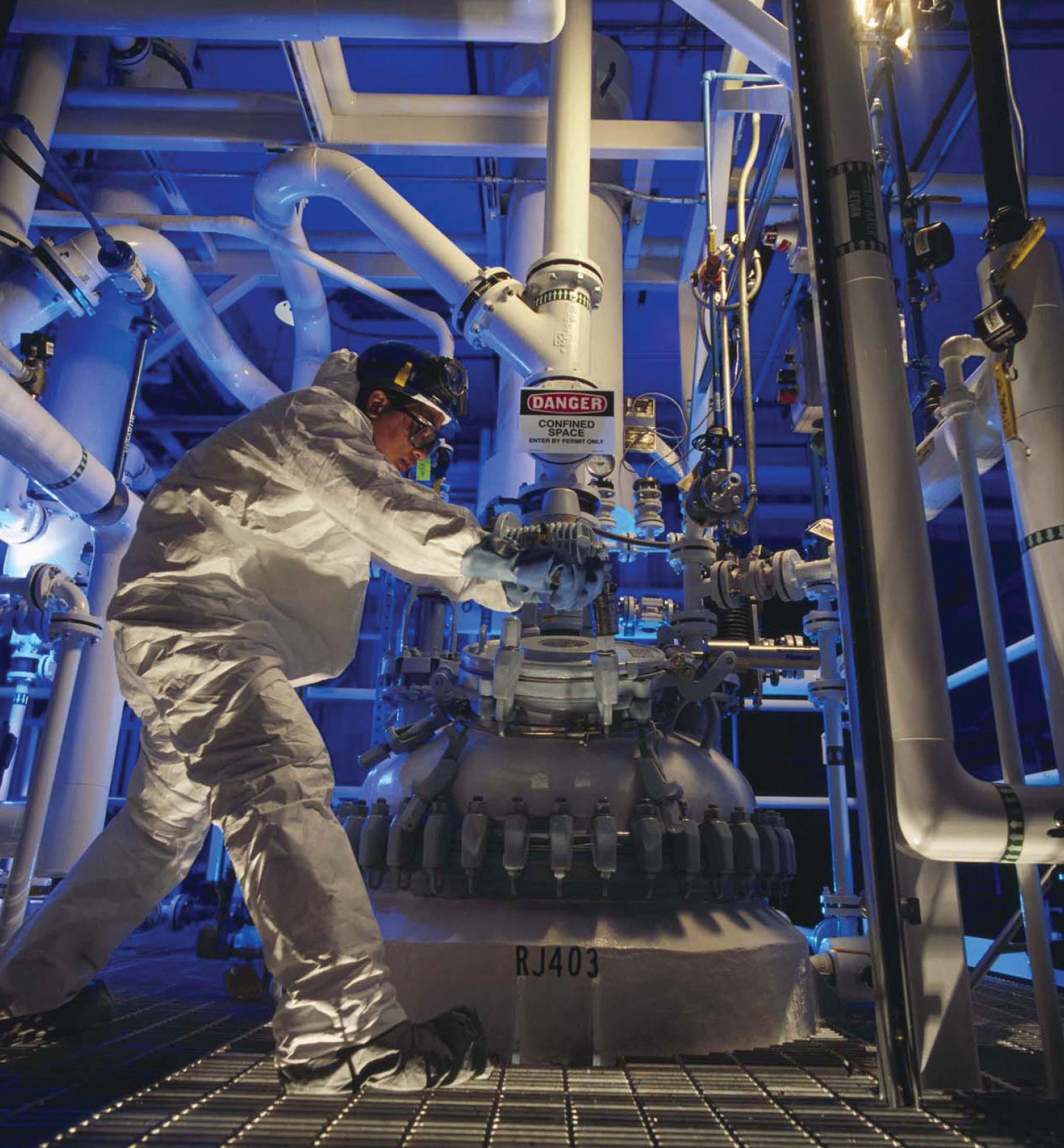
Scaling chromatography from laboratory to commercial scale is rarely straightforward. Bench-scale methods often fail to translate directly because large-scale operations introduce nonlinear factors, such as resin availability, pressure drops, solvent volumes, column dimensions, flow rates, and equipment limitations. If not addressed early, these issues can create costly bottlenecks or force late-stage changes in resin strategy.
Success begins with a deep understanding of the process and foresight. A strong technology transfer strategy ensures consistency across hardware, software, and even manufacturing sites. Our optimization approach includes evaluating resin selection, buffer conditions, process order, and step necessity to drive efficiency. For example, switching to resins with improved salt tolerance can eliminate unnecessary buffer exchanges and streamline purification.
MEETING THE CHALLENGES OF COMPLEX MOLECULES & MODALITIES
Drug development is increasingly shaped by the emergence of complex modalities designed to tackle some of today’s most pressing health challenges. These new drug classes have transformed purification requirements, with each modality presenting unique challenges:
- Antibody Drug Conjugates (ADCs): Managing heterogeneity and maintaining tight control over drug–antibody ratio (DAR).
- Highly Potent APIs (HPAPIs): Ensuring operator safety through strict containment and regulatory compliance.
- Polymers, Peptides, and Oligonucleotides: Addressing high viscosity and broad molecular weight distributions.
- Controlled Substances: Navigating complex regulatory and logistical requirements across global markets (Schedule I-V).
As more of these modalities enter the pipeline, purification strategies must adapt with equal sophistication. Expertise, flexibility, and access to advanced chromatographic technologies are vital for enabling the development of these innovative therapies. It is therefore vital that CDMOs leverage these methods effectively to facilitate the release of these therapeutics into the global market.
EXAMPLES OF COMPLEXITY IN PRACTICE
For each modality, unique challenges present themselves during development, which in turn require a specialized approach by CDMOs.
HPAPIS & CONTROLLED SUBSTANCES
Due to their potency, HPAPIs require specialized facilities and containment procedures. Even trace exposure poses risks to personnel, making regulatory compliance and selection of appropriate containment strategies paramount. We operate to SafeBridge® 4 standards and manage controlled substances (Schedule I-V) under rigorous regulatory oversight. Our expertise and infrastructure allow us to deliver safe, compliant solutions for these challenging molecules.
Our expertise in HPAPIs and cytotoxic drugs is critical for developing the linker-payload moiety required in ADC production. Emerging trends include tighter control of DAR distributions and improved cell-type-specific payload release. These advances rely on designing larger, more complex linker-payload structures with multiple chiral centers and tunable ester cleavage sites. Use of chromatography (both normal phase and/or reverse phase) is an absolute requirement for the purification of these entities.
At Veranova, we have established the use of flash chromatography and preparative HPLC for HPAPIs under containment conditions and have the expertise and equipment to translate our expertise to the purification of cytotoxic warheads.
POLYMERS, CONJUGATES, & OLIGONUCLEOTIDES
Polyethylene glycol (PEG) conjugation has recently gained attention as a strategy to extend the half-life of rapidly cleared biopolymers, leading to several approved drugs in recent years. The properties of PEG conjugates add complexity to the purification of the conjugated products. The physical properties of PEG in aqueous solution results in a liquid with high viscosity, and the polydisperse nature of available large molecular weight PEGs results in a conjugated material with wide molecular weight distributions:
- Viscosity: High viscosity induces poor flow characteristics and hinders conventional chromatographic processing.
- MW Distribution: Wide size ranges reduce resolution and complicate large-scale separation.
We address these challenges through cross-functional collaboration among analytical, chemical, and solid-form scientists. Method development informed by viscosity modeling and molecular weight profiling ensures scalability. In some cases, complementary approaches such as tangential flow filtration (TFF) provide effective alternatives for removing low-MW impurities.
ANTIBODY DRUG CONJUGATES (ADCS)
ADCs combine antibody specificity with the potency of small molecules, but their complexity demands precise control. Key challenges include:
- Heterogeneity: Variability in payload-drug reactive sites and numbers creates broad Drug Antibody Ratio (DAR) distributions.
- DAR Control: Maintaining consistent, optimal DAR is critical for efficacy and safety.
- Unreacted Linker-Payload Removal: Residual linker–payload poses significant off-target toxicity risks and requires tight control.
We leverage advanced chromatographic techniques, including hydrophobic interaction chromatography (HIC), size exclusion chromatography (SEC), and chiral separations, within integrated analytical workflows. This holistic approach supports linker–payload design, DAR optimization, and streamlined ADC project execution.
 DEVELOPING ROBUST PURIFICATION STRATEGIES
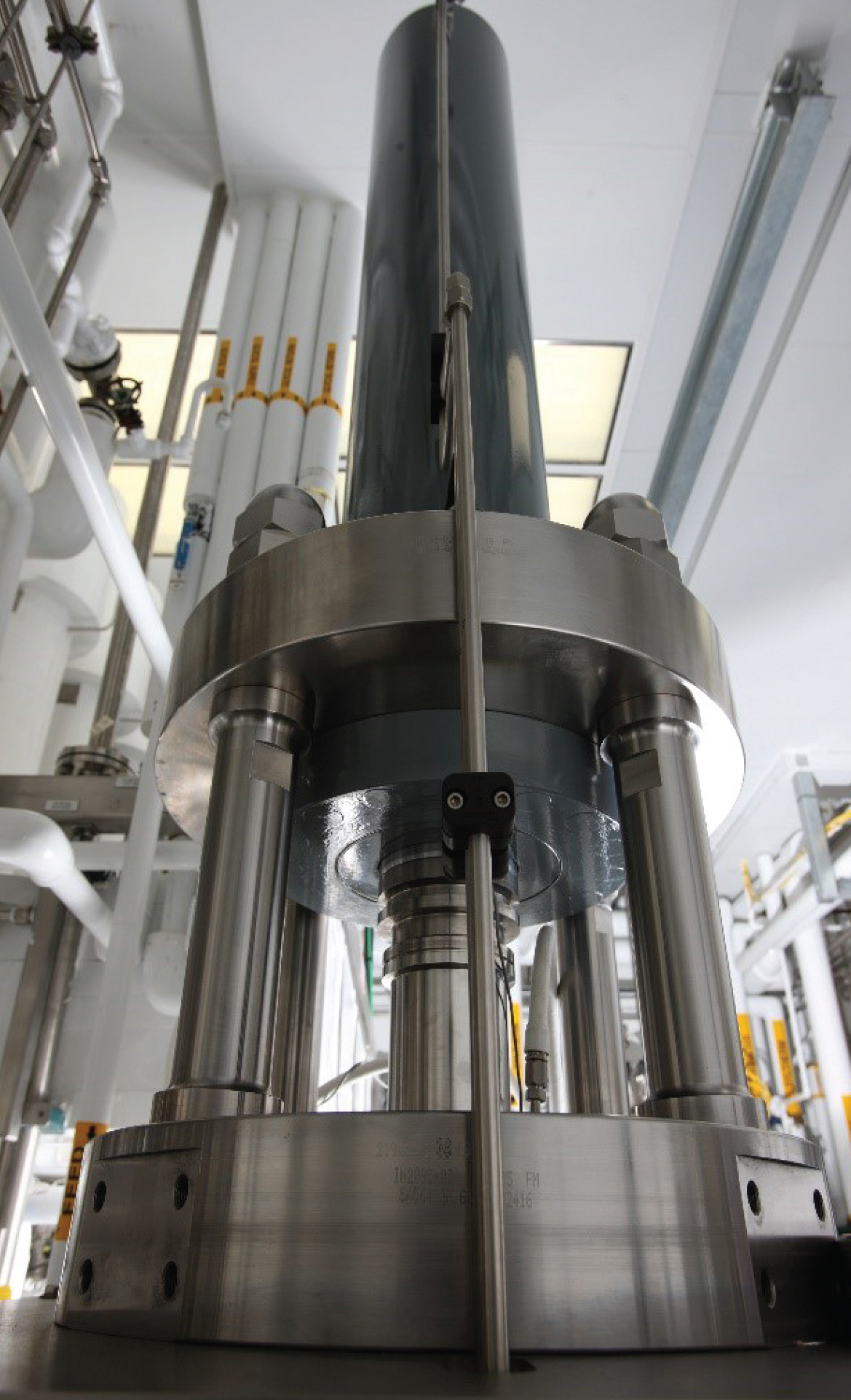
Robust purification strategies begin with analytical alignment. Early use of HPLC, SFC, HRMS, and chiral/achiral methods provides critical insight, while predictive modeling offers faster, data-driven optimization compared to trial-and-error approaches.
Purification strategies are complemented by efficient post-separation and isolation techniques, including thin-film evaporation, solid-phase extraction (SPE), lyophilization, and crystallization to enhance overall process efficiency.
We integrate these techniques into scalable strategies, enabling consistency from screening through GMP production. Our teams bring together cross-disciplinary expertise to anticipate challenges, accelerate timelines, and deliver reliable outcomes, allowing us to deliver on even the most complex development projects with confidence.
Our ongoing investment in technology and scientific partnerships keeps clients ahead of the curve. Our commitment to innovation is evidenced by our recent expansions and announcement of new facilities.
WHAT’S NEXT: INNOVATIONS IN CHROMATOGRAPHY & PURIFICATION
Chromatography and purification are evolving alongside drug development as a leader in contract API development, and we closely monitors the key trends shaping the future of purification, including:
- Continuous Chromatography for improved efficiency.
- Novel Resin Chemistries to enhance selectivity and reduce costs.
- Real-Time Monitoring and PAT to increase process control and robustness.These innovations promise faster development timelines, more sustainable operations, and greater manufacturing confidence for drug innovators and their CDMO partners.
MANAGING PURIFICATION COMPLEXITY WITH CONFIDENCE
Chromatography is central to achieving the safety, scalability, and purity required for today’s advanced therapies. To realize the promise of complex modalities, CDMOs must provide both the technical expertise and infrastructure to deliver robust purification strategies.
As a fully integrated, end-to-end CDMO, we support clients from early development through commercial production. With advanced instrumentation, specialized facilities, and a track record of managing highly complex programs, we enable smarter, faster, and more reliable purification outcomes.

Dr. William Sanders is the Global Vice President of Chemical Development Operations at Veranova. With over 25 years of experience in the chemical and pharmaceutical industries, he has held senior R&D roles at Actylis and MilliporeSigma/SAFC. Dr. Sanders earned his PhD and BS in Chemistry from the University of Wisconsin–Madison and is the author of multiple patents and publications. His work has been recognized by the ACS Division of Medicinal Chemistry and the National Institutes of Health Chemistry/Biology Interface.
Total Page Views: 7349