

WHITEPAPER - How Advanced Containment Technology Is Reshaping High-Potency API Micronization


By: Harry Wade, Technical Associate, and Rosie Bird, EHS Lead, Catalent Dartford
The pharmaceutical industry faces a growing manufacturing challenge as therapeutic compounds become increasingly potent and targeted. Oncology and hormonal APIs, often designed for ultra-low dosing, promise meaningful clinical advances. Yet safely processing these materials at commercial scale remains a persistent barrier to patient access.
Many modern compounds push beyond the limits of traditional manufacturing infrastructure. Occupational exposure limits measured in micrograms or nanograms demand levels of containment and process control that legacy approaches were never designed to deliver. As a result, promising programs frequently stall during scale-up, caught between successful development outcomes and the realities of commercial production, where safety, quality, and regulatory expectations converge.
Bridging this gap requires more than incremental improvements in protective equipment or procedural controls. It requires a fundamental shift in how high-potency APIs are micronized and handled at scale.
The High-Potency Micronization Challenge
For many high-potency APIs, micronization is not a downstream convenience but a critical performance step. Particle size distribution directly influences dissolution behavior, bioavailability, blend uniformity, and dose accuracy, particularly when therapeutic doses are measured in micrograms.
At the same time, the physicochemical profiles of modern APIs are increasingly complex. As depicted in Figure 1, a single compound may require nitrogen-inert processing, strict humidity control, protection from light and oxygen, and safeguards for low minimum ignition energy, all while maintaining extremely low exposure limits. Managing these requirements simultaneously has historically forced manufacturers into compromises that limit throughput, increase risk, or undermine reproducibility.
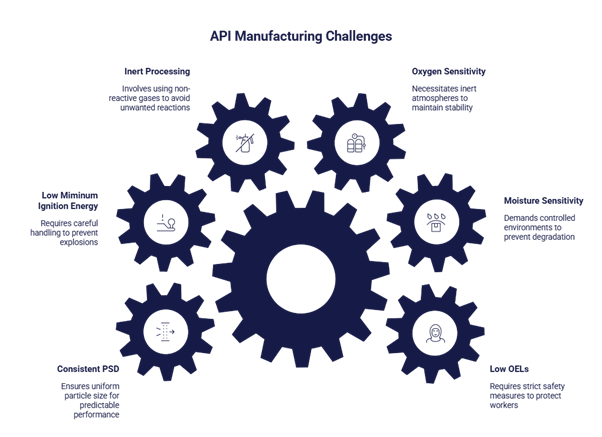
Figure 1. Key challenges in API manufacturing.
Traditional approaches rely heavily on personal protective equipment, manual material handling, and short processing campaigns. These methods introduce variability, restrict operating efficiency, and create significant challenges in maintaining consistent particle size outcomes. Frequent changeovers and extensive decontamination cycles further constrain capacity and drives up costs. For micronized materials, even minor variability can result in batch failure or downstream formulation challenges.
Rethinking Containment Through Isolator-Based Jet Micronization
Advances in isolator technology have enabled a different approach. Rather than attempting to shield operators from hazardous materials, modern systems create fully contained environments that significantly reduce the potential for human exposure during processing. Figure 2 depicts the large-scale isolator at Catalent Dartford.
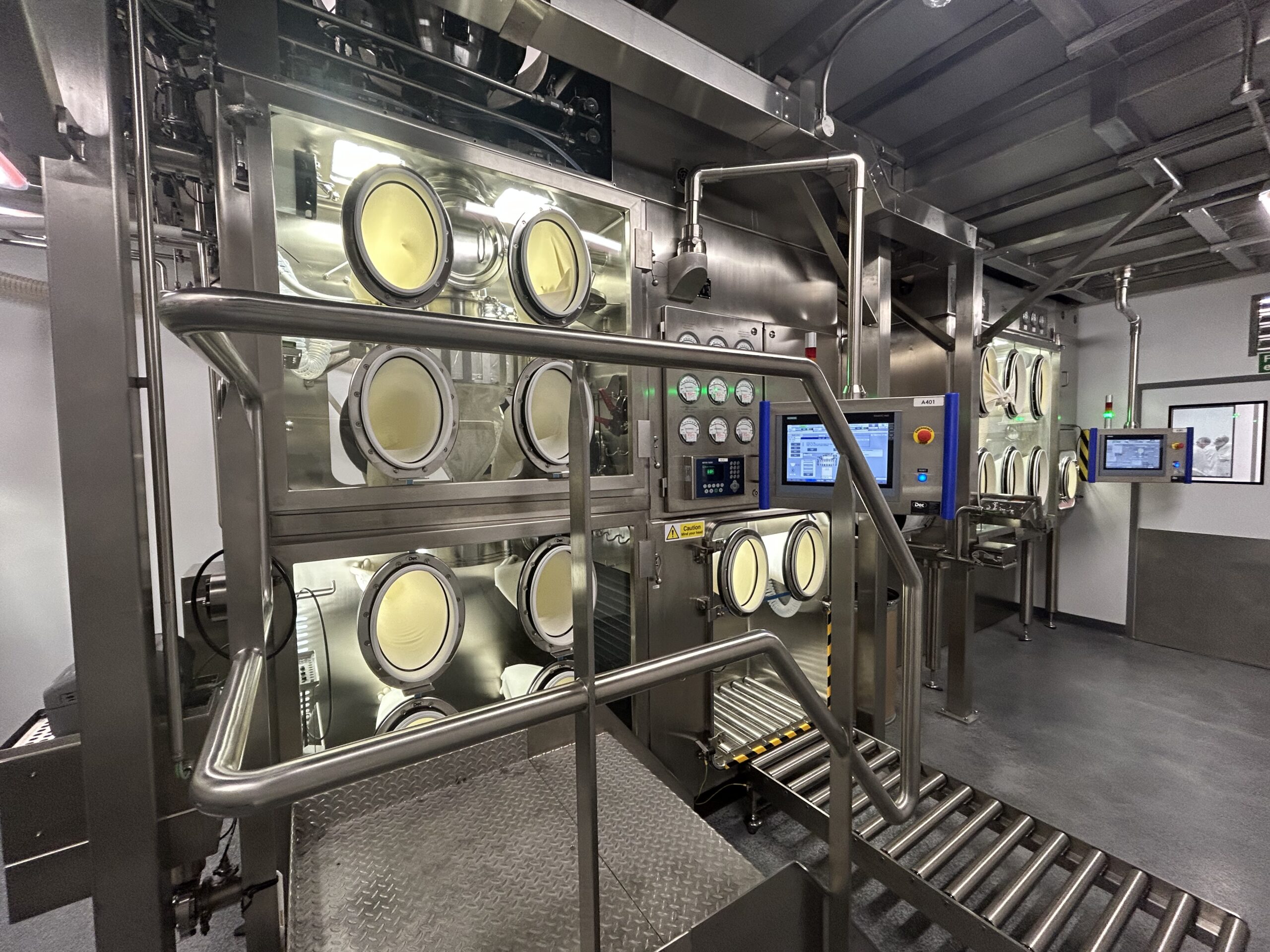
Figure 2. Large-Scale Isolator at Catalent Dartford, UK
Isolator-based jet micronization integrates particle size reduction within sealed, high-containment systems capable of operating at containment levels down to 50 ng/m³. Within these environments, fluid energy mills use high-velocity gas streams to reduce particle size through impact and attrition, while centrifugal classification ensures consistent particle separation and recirculation of oversized material.
Containment alone, however, is not sufficient. These systems combine automated gravimetric feeding, controlled gas environments, and continuous monitoring of operational parameters. The result is a micronization process that is predictable, repeatable, and scalable, even for materials with multiple sensitivity constraints.
By accommodating inert atmospheres, low humidity, light protection, and ignition energy control within a single validated setup, isolator-based jet milling removes the trade-offs that have historically limited commercial-scale processing of high-potency APIs.
From Material Assessment to Commercial Throughput
Successful implementation begins with comprehensive material characterization. Beyond potency classification, understanding a compound’s full processing profile, including sensitivity to oxygen, moisture, light, and thermal or mechanical stress, is essential to configuring the micronization environment appropriately.
Containment requirements are assessed based on occupational exposure limits, with systems designed to support a range of high-potency needs, including the most stringent nanogram-level targets. Process parameters are then optimized to achieve the desired particle size distribution without compromising material integrity.
Large-scale jet milling platforms provide the throughput needed to support sustained commercial campaigns rather than short, fragmented runs. Automated gravimetric feeding ensures consistent material input, while integrated monitoring and documentation support process understanding, validation, and technology transfer.
This level of control is particularly critical when transitioning from development to commercial manufacture, where reproducibility and data integrity underpin both regulatory confidence and supply reliability.
Operational & Quality Advantages
The operational impact of advanced containment micronization is significant. Fully enclosed systems eliminate the need for extensive operator PPE during processing, improving precision, dexterity, and overall efficiency. Automated cleaning and isolated changeover procedures reduce both physical and cross-contamination risk while minimizing downtime between campaigns.
Continuous parameter monitoring allows for real-time process oversight, supporting consistent particle size outcomes across extended runs. Reduced manual intervention lowers variability and strengthens quality assurance, particularly important for APIs with narrow therapeutic windows.
From an environmental perspective, contained processing limits airborne emissions and reduces waste generation. Automated systems also optimize solvent use during cleaning, supporting broader sustainability objectives alongside safety and quality goals.
Regulatory Readiness & Audit Confidence
High-potency micronization operates under intense regulatory scrutiny. Modern isolator-based systems are designed to align with GMP expectations and global regulatory frameworks, incorporating auditable controls and comprehensive process documentation.
Continuous data capture supports robust batch records and facilitates regulatory submissions, inspections, and customer audits. By minimizing manual handling and standardizing critical process steps, these systems reduce the risk of human error and enhance overall compliance confidence.
Beyond meeting regulatory and quality expectations, these same technical and operational capabilities carry direct implications for how organizations evaluate, qualify, and manage micronization outsourcing partners.
What This Means When Selecting an Outsourcing Partner
For procurement and CMC decision-makers, these capabilities directly affect cost control, supply continuity, and program risk. High-containment micronization platforms with automated feeding, validated cleaning, and documented process controls reduce reliance on bespoke safeguards and operator-dependent practices, lowering total cost of ownership over the life of a program.
The ability to support commercial-scale throughput within a single, auditable system limits the need for secondary vendors, repeat tech transfers, or late-stage process changes. Just as importantly, built-in regulatory readiness and third-party auditability simplify supplier qualification and ongoing oversight, enabling procurement teams to balance safety, compliance, and scalability without compromising timelines.
Enabling the Next Generation of Potent Therapies
As pharmaceutical pipelines continue to shift toward more potent, targeted therapies, manufacturing capabilities must evolve in parallel. Advanced containment technology applied to jet micronization represents a decisive step forward, enabling safe, efficient, and scalable processing of compounds that were once considered impractical to commercialize.
By integrating high-containment environments, automated material handling, and controlled micronization at scale, the industry can move beyond the traditional compromises between safety, throughput, and quality. This approach supports faster transitions from development to commercial supply and helps ensure that breakthrough therapies reach patients without unnecessary delay.
The commercial-scale barrier for high-potency API micronization is no longer defined by technical limitations. It is defined by the willingness to adopt manufacturing paradigms built for the realities of modern drug development.
Why Catalent Dartford?
High-containment micronization that advances programs and protects patients. Catalent Dartford delivers isolator-based jet micronization designed to support the missions that matter most to drug developers: moving potent molecules safely, reliably, and efficiently from development into commercial supply. By combining commercial-scale throughput with audit-ready operations in a single platform, we help reduce risk, simplify outsourcing, and keep critical programs on track.
Micronization Capabilities *
- Containment capability down to 50 ng/m³ for high-potency APIs
- Commercial-scale throughput of 40–100 kg/hour
- >99% material recovery to support consistent supply
- Built to manage sensitive materials and low OEL requirements
- 13+ years of experience in high-containment processing
Quality & Regulatory Confidence
- ISO 45001 and ISO 14001 certified
- FDA and MHRA inspections completed
Safety & Sustainability Commitments
- Comprehensive EHS management programs
- Sustainability performance ranked in the top 5% of EcoVadis assessed companies (Gold rating)
- Carbon neutrality target by 2050
* Capabilities described are subject to project-specific evaluation and contractual agreement.
Total Page Views: 8286